
Table of Contents >> Show >> Hide
- What Is Vampires in the Lemon Grove About?
- Why the Title Story Works So Well
- The Big Themes Running Through the Collection
- Standout Stories Beyond the Title Piece
- Karen Russell’s Style: Why It Feels So Distinct
- Why Vampires in the Lemon Grove Still Deserves Attention
- Final Thoughts
- Reader Experience: What It Feels Like to Enter Vampires in the Lemon Grove
- SEO Tags
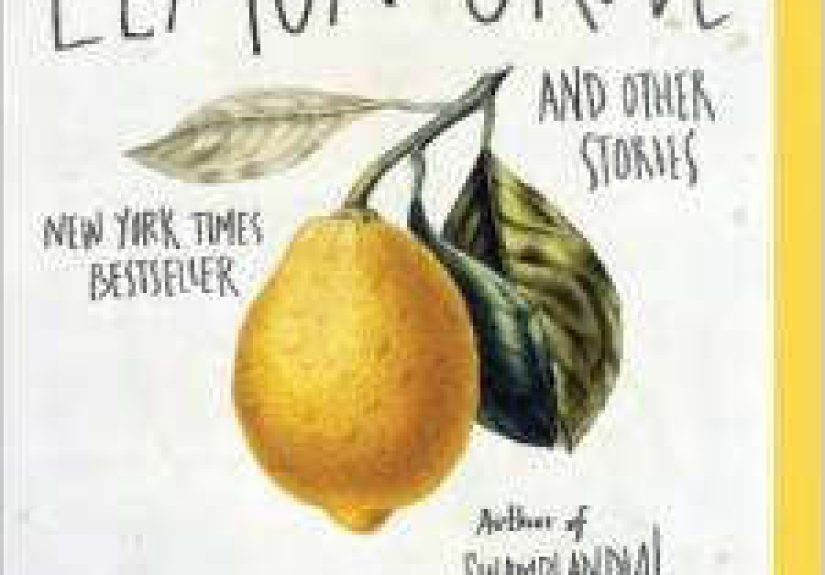
If the title Vampires in the Lemon Grove sounds like somebody smashed a gothic novel into a fruit crate and shook it hard, that is part of the charm. Karen Russell’s 2013 short story collection is weird, witty, dark, tender, and just polished enough to make you forget that you are reading about vampires, human silkworms, haunted memory, reincarnated presidents, and other delights that would make a normal dinner party go very quiet. In other words, it is literary fiction with fangs.
This collection matters because it does what a lot of books promise and very few actually pull off: it makes the surreal feel emotionally true. Russell does not use fantasy as decoration. She uses it like a flashlight pointed at loneliness, desire, guilt, marriage, grief, power, and the strange little rituals people invent to survive themselves. That balance is what makes Vampires in the Lemon Grove more than a quirky title or a shelf-friendly oddity. It is a smart, haunting, deeply human book disguised as a carnival ride.
What Is Vampires in the Lemon Grove About?
Vampires in the Lemon Grove is a short story collection by Karen Russell, a writer known for blending magical realism, literary fiction, horror, and comedy into something that feels entirely her own. The book contains eight stories, and while they are separate pieces rather than one continuous plot, they speak to one another through recurring concerns: transformation, regret, appetite, memory, and the frightening possibility that our inner lives are much stranger than we let on.
The title story introduces Clyde and Magreb, a vampire couple in Italy who try to manage their bloodlust by drinking from lemons instead of people. It is absurd on paper and unexpectedly moving on the page. That is Russell’s signature trick. She begins with a premise that sounds like it escaped from a dream, then turns it into an emotionally precise meditation on companionship, self-control, and the boredom that can creep into even an eternal marriage. Turns out immortality does not fix relationship problems. It just gives them more time to marinate.
From there, the collection leaps into wildly different settings and moods. One story reimagines exploited factory girls as human silkworms. Another follows a war veteran whose tattooed body becomes a map of trauma and possible healing. Another turns dead presidents into horses. Yes, horses. No, the book does not apologize. That confidence is part of what makes Russell so readable. She commits fully to each bizarre premise, and because she commits, the reader does too.
Why the Title Story Works So Well
It Reinvents the Vampire Without Draining the Myth
Plenty of books use vampires as shorthand for glamour, danger, or teenage yearning with good hair. Russell goes in a more interesting direction. Her vampires are not sleek nightclub predators or melodramatic aristocrats. They are exhausted, married, hungry, and trying to be decent. They are immortal creatures dealing with very mortal frustrations. One of them wants change. One of them wants routine. Both are trying to manage a desire that never really disappears.
That makes the vampire metaphor feel fresh. In Russell’s hands, the monster is not just a threat. The monster is a person trying not to become the worst version of himself. That is a theme with a long literary history, but Russell gives it a bright, acidic twist. The lemon grove itself becomes symbolic: beautiful, fragrant, sunlit, almost comic in its abundance, and yet still tied to craving. These vampires are not cured. They are coping. Anyone who has ever tried to outsmart a destructive impulse can recognize that setup.
It Turns Marriage Into Gothic Comedy
The title story is also one of the collection’s sharpest portraits of marriage. Strip away the fangs and the overseas gloom, and what remains is a couple navigating the long arc of commitment. How do you stay interesting to each other after decades, or centuries? How do you carry old habits without becoming buried alive by them? How do you love someone whose needs and fears no longer line up neatly with your own?
Russell never lets the story collapse into a gimmick. The humor is real, but so is the ache. That blend is what gives the collection its staying power. Readers come for the surreal premise and stay for the emotional intelligence. Or they come for the lemon grove and stay because they accidentally got their feelings involved. That happens here.
The Big Themes Running Through the Collection
Monsters Are Mirrors
One of the most compelling ideas in Vampires in the Lemon Grove is that monstrousness is rarely simple. Russell’s creatures and transformed bodies often reflect recognizably human problems: shame, appetite, self-deception, social pressure, powerlessness, and longing. Her monsters are not random freak-show attractions. They are mirrors with better branding.
This is especially clear in stories like “Reeling for the Empire,” where the grotesque transformation of women into silk-producing beings becomes an unsettling metaphor for exploitation, labor, and bodily control. The strange image is not weird for weirdness’s sake. It reveals how systems of power turn people into machines, commodities, or tools. Russell’s imagination is wild, but it is never empty calories.
Memory, Guilt, and Atonement
Another thread tying the stories together is the way memory refuses to sit quietly in the corner. Characters are repeatedly confronted by what they have done, failed to do, or cannot undo. In “The New Veterans,” trauma becomes almost physically legible. In “The Graveless Doll of Eric Mutis,” adolescent cruelty returns with moral force. In “Proving Up,” ambition, hardship, and the idea of the American dream collide with devastating consequences.
Russell is especially skilled at showing how guilt behaves. It does not always arrive like a confession. Sometimes it appears as a haunting, a bodily symptom, a fixation, a fantasy, or a strange object charged with meaning. That is one reason her fiction feels psychologically sharp even when the plot has wandered into the land of impossibility. Emotional truth is always doing the heavy lifting.
The American Dream Gets Weird Fast
For all its monsters and marvels, this is also a deeply American book. Several stories explore ambition, reinvention, competition, and the cost of believing too hard in progress. “Proving Up,” in particular, takes the mythology of homesteading and strips it of comforting nostalgia. What remains is a brutal, unsettling examination of what people will risk for land, dignity, and the promise of belonging.
Russell understands that national myths are often just polished ghost stories. The frontier, success, self-making, exceptionalism, conquest: these ideas appear throughout the collection in distorted but recognizable forms. She is too funny to preach and too smart to flatten the symbolism, which makes the critique land harder. You are entertained before you realize the floorboards are moving.
Standout Stories Beyond the Title Piece
“Reeling for the Empire”
This is one of the collection’s most memorable and unsettling stories. Set in a Japanese silk factory, it follows girls who begin to transform into literal human silkworms. The body horror is vivid, but what gives the story its power is the social dimension. Russell turns industrial exploitation into metamorphosis, making the violence of labor feel grotesquely visible. It is part fairy tale, part feminist nightmare, part anti-capitalist fever dream, and somehow still emotionally coherent.
“Proving Up”
Many readers and critics single out “Proving Up” as a masterpiece, and it is not hard to see why. This story takes place on the prairie and explores a family’s desperate attempt to secure land under homestead rules. Russell wrings terror out of scarcity, weather, pride, and the pressure to achieve legitimacy in a punishing system. The horror here feels historical, moral, and supernatural all at once. It is one of those stories that makes you want to stare at the wall afterward and reconsider the phrase “settling down.”
“The New Veterans”
In this story, a masseuse discovers that she can alter the tattoos on a veteran’s back and, in doing so, affect the memories and pain attached to them. The premise is beautifully strange, but the emotional core is grief, healing, and the limits of intervention. Russell resists easy answers. She does not turn trauma into a magical puzzle box that can be solved with one symbolic gesture. Instead, she examines what healing might cost, and whether erasing pain is always the same thing as repairing damage.
“The Barn at the End of Our Term”
This story, featuring deceased U.S. presidents reincarnated as horses, sounds like a dare somebody lost. Yet it works because Russell understands satire. By putting famous leaders into absurdly diminished bodies, she exposes vanity, denial, habit, and the ridiculous persistence of political identity. The result is funny on the surface and slyly sad underneath. It is also proof that Russell can make almost any premise walk, trot, or gallop.
Karen Russell’s Style: Why It Feels So Distinct
Karen Russell’s prose is lush without becoming bloated, inventive without becoming unreadable, and funny without losing seriousness. That is a difficult balance. Many writers can do one or two of those things. Russell does all three, often in the same paragraph. Her sentences can feel tactile and uncanny at once, which suits a collection where the physical world is constantly threatening to become symbolic and the symbolic keeps sprouting teeth.
She also excels at tonal control. A story may begin in comedy, slip into dread, brush against heartbreak, and end in ambiguity, all without feeling messy. That fluidity is one reason Vampires in the Lemon Grove appeals to readers across categories. Fans of literary fiction appreciate the language and thematic depth. Fans of horror appreciate the menace. Fans of magical realism appreciate the elasticity of the world. Fans of plain old good storytelling appreciate that the book never forgets to be interesting.
Another strength is Russell’s refusal to make the surreal feel smug. Some experimental fiction behaves as if confusion is automatically profound. Russell is stranger than most writers, but she is also generous. Even at her most imaginative, she gives readers emotional anchors: longing, shame, love, fear, regret, desire. The result is fiction that is intellectually alive without becoming chilly.
Why Vampires in the Lemon Grove Still Deserves Attention
More than a decade after publication, this collection still feels relevant because its concerns are durable. People are still wrestling with identity, systems of exploitation, the pressure to perform normalcy, the politics of the body, the persistence of memory, and the uneasy overlap between comedy and dread. Russell’s stories approach those issues slantwise, which often makes them more revealing than realism would.
It is also a terrific book for readers who think they are tired of short stories. Each piece opens a fully imagined world, yet none of them overstay their welcome. The collection offers variety without chaos. You can read one story in a sitting, then spend hours turning it over in your head like a strange coin. That is a rare pleasure.
For book clubs, the collection is especially rich. Nearly every story invites conversation about symbolism, power, intimacy, American mythology, and genre. It is also a good recommendation for readers who enjoy authors like George Saunders, Kelly Link, Aimee Bender, or anyone working in the overlap between literary fiction and the gloriously bizarre. Basically, if you like your fiction smart, sharp, and a little haunted, this grove is worth visiting.
Final Thoughts
Vampires in the Lemon Grove is not just a clever title or a weird-fiction curiosity. It is a deeply imaginative short story collection that uses fantasy, horror, and humor to examine ordinary human vulnerabilities. Karen Russell writes about monsters, but her real subject is what people do with loneliness, desire, guilt, memory, and love when the rules of ordinary life no longer hold.
The book is daring without being inaccessible, literary without being stiff, and funny without becoming weightless. Its best stories linger because they do not offer neat conclusions. They leave behind a mood, an image, a moral bruise, a flash of tenderness. That is often the mark of the strongest short fiction: it keeps unfolding after the page ends. Vampires in the Lemon Grove does that repeatedly, and with style to spare.
Reader Experience: What It Feels Like to Enter Vampires in the Lemon Grove
Reading Vampires in the Lemon Grove is less like sitting down with a conventional short story collection and more like checking into an elegant hotel where every room has a different weather system, one haunted lamp, and a minibar stocked by the subconscious. The experience is surprisingly immersive because Russell does not simply describe strange worlds. She persuades you to inhabit them. You begin a story thinking, “Well, this is unusual,” and a few pages later you are emotionally invested in the fate of people who may or may not be turning into silk, horses, or metaphor.
One of the most striking experiences of reading this book is the tonal whiplash, and I mean that in the best possible way. You laugh, then pause, then realize the joke was carrying a blade. Russell is very good at sneaking sorrow into absurdity. A scene can begin with comic invention and end with genuine ache. That creates an active reading experience because you cannot coast. The stories keep asking you to recalibrate your expectations. Just when you think you have found the emotional temperature, Russell opens a window and lets in something colder.
There is also a strong sensory experience to the collection. The lemon grove itself is a perfect example: bright, fragrant, sun-drenched, almost cheerful, yet tied to hunger and restraint. That tension runs through the whole book. Bodies feel vulnerable. Landscapes feel charged. Objects seem to collect symbolic voltage. You are not just following plots; you are moving through atmospheres. Russell’s fiction often feels touchable, which makes the surreal elements more convincing and the unsettling moments more effective.
For many readers, the deeper experience of the book is recognition. Not literal recognition, unless you too are an immortal spouse snacking on citrus to avoid a blood relapse, in which case please hydrate responsibly. What I mean is emotional recognition. The collection understands boredom inside love, guilt that mutates over time, fantasies of reinvention, and the way private shame can distort an entire landscape. The stories are strange, but the feelings are familiar. That combination creates the eerie sensation that the book knows something about you while pretending to discuss monsters.
The collection is also rewarding on reread. The first time through, the imagination dazzles. The second time, the architecture becomes clearer. You notice how carefully Russell builds parallels between appetite and identity, between memory and punishment, between transformation and social pressure. What seemed merely inventive reveals itself as structurally precise. This is one reason the book works well in classrooms, book clubs, and serious casual reading, which is a phrase I just invented for people who read with a pencil in one hand and snacks in the other.
Ultimately, the reading experience of Vampires in the Lemon Grove is one of pleasurable disorientation followed by emotional clarity. The book keeps surprising you, but it never feels random. By the end, you have not just visited eight strange fictional worlds. You have walked through a gallery of human appetites and anxieties wearing monster masks. That is the real magic of Karen Russell’s work. She makes the bizarre feel intimate, the comic feel dangerous, and the impossible feel uncomfortably, beautifully true.




 Close
Close