
Table of Contents >> Show >> Hide
- What you’ll learn
- What Is the Vego Kitchen Composter?
- How It Works (In Plain English)
- Key Features That Make It Stand Out
- What Can You Put in the Vego Kitchen Composter?
- Is It “Real Compost” or Just Dried Food?
- How to Use Vego Meal Without Accidentally Pranking Your Plants
- Who the Vego Kitchen Composter Is Perfect For
- Who Should Skip It
- How It Compares to Other Countertop Composters
- Setup, Maintenance, and Real Cost to Own
- Tips to Get Better Results (and Fewer “Why Is It Wet?” Moments)
- Bottom Line
- Experience Notes: Living With the Vego Kitchen Composter (Approx. )
If you’ve ever opened your trash can and been greeted by the “bouquet” of yesterday’s onion skins, coffee grounds,
and a suspicious-looking avocado half… you already know why kitchen composting sounds so appealing. Food scraps
pile up fast, and tossing them in the trash feels wasteful (and, honestly, a little rude to the planet).
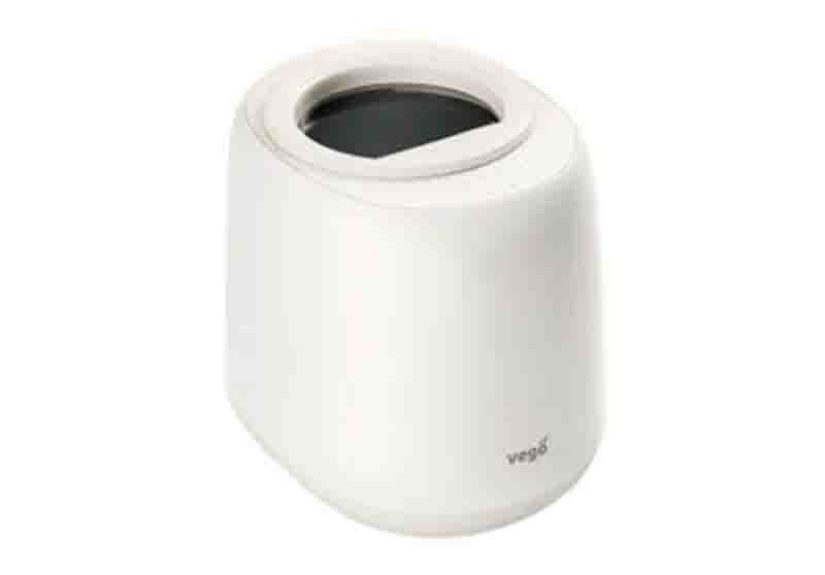
The Vego Kitchen Composter is Vego’s countertop answer to a very modern problem:
How do you handle food waste when you don’t have a backyard pile, a worm bin, or the patience to babysit a compost tumbler?
It’s designed to shrink, dry, and process food scraps into a soil-friendly material Vego calls “Vego Meal”without
turning your kitchen into a science experiment.
What Is the Vego Kitchen Composter?
The Vego Kitchen Composter is a countertop electric composter (sometimes called a “food recycler”)
built to process kitchen scraps indoors. It has a 4-liter bucket and is designed to handle up to
about 3.3 pounds of kitchen waste in a batch, reducing waste volume by roughly
85%–95% depending on what you feed it.
In plain terms: you load it with approved food scraps, choose a mode, and it processes that waste into a drier,
smaller, more manageable output. That output is not the same thing as a fully finished backyard compost pile
(more on that soon), but it can be a useful soil amendment or a “starter” material for outdoor composting.
How It Works (In Plain English)
Composting in the traditional sense relies on microbes, moisture, oxygen, and time. Countertop machines speed up the
“make it smaller and less stinky” part by using a combo of mixing/agitation, ventilation, and controlled heat.
Vego adds a couple of twists that matter for day-to-day use:
-
Built-in scale: The machine weighs what’s inside and adjusts the processing time based on load.
That’s handy when your “small amount” of scraps is mysteriously the size of a toddler. -
Low-temperature processing: Vego positions some modes as gentler to help preserve more biological activity
compared with purely high-heat drying. - Odor management: A carbon filter system helps keep smells down while the unit runs.
-
Smart app + connectivity: Wi-Fi/Bluetooth features allow monitoring and status updates, so you’re not
playing “Is it done yet?” with your banana peels.
Key Features That Make It Stand Out
1) Five modes (so you’re not stuck with one “mystery setting”)
The Vego Kitchen Composter is built around five processing modes, each aimed at a different kind of output
and use case:
- Express Mode (about 2–8 hours): Fast drying and grinding. Great when you want quick volume reduction and lower odor.
-
Vego Mode (about 9–24 hours): A “continuous” mode designed for adding scraps without restarting a full cycle.
This mode is positioned as producing the most bio-active outputtypically used with Vego’s microbe tabs. -
Fertilize Mode (about 9–22 hours): Designed to produce a microbe-rich material intended as a compost “kickstarter”
or garden amendmentalso commonly paired with tabs. - Grass Mode (often longer; up to about 24 hours): Finer grinding to help lawns break it down faster when used as a topdressing.
- Clean Mode (about 30 minutes): A self-cleaning cycle that uses water to help loosen and clean residue in the bucket.
2) Continuous-loading behavior (a big deal in real kitchens)
Many countertop composters feel like you have to “wait your turn”: cycle finishes, you empty it, then you start again.
Vego Mode is designed to keep the bucket in a managed, controlled state so you can keep adding scraps periodically
instead of timing your meal prep around the machine.
3) Practical size + real specs
The Vego Kitchen Composter is roughly 14.37 × 11.22 × 12.64 inches and weighs about
16.64 pounds. It runs on standard U.S. power (120V, 60Hz) with a rated input around
400W.
4) App monitoring (love it or ignore ityour choice)
If you’re the type who checks your step count and your screen time, you’ll probably enjoy app updates and cycle tracking.
If you’re the type who still owns a microwave with the clock flashing “12:00,” you can keep it simple and use the onboard controls.
What Can You Put in the Vego Kitchen Composter?
This is where a lot of countertop composters get people in trouble: you assume “food is food,” toss in half a lasagna,
and then wonder why your machine is making a noise like it’s filing taxes.
Vego’s guidance is refreshingly specific. Here’s a practical version you can follow:
“Always” items (your safe daily drivers)
- Fruit & veggie scraps: peels, ends, cores, stems (banana peels, apple cores, carrot tops, broccoli stems, etc.)
- Tea & coffee: loose tea leaves and coffee grounds
- Starches: bread, pasta, rice, potatoes, oats, cereals (in reasonable amounts)
- Eggshells: best crushed
- Herbaceous houseplants: soft-stem plant trimmings (not woody branches)
- Small meal leftovers: small quantities of prepared foods and sauces
“Limited” items (use sparingly and chop small)
- Fibrous waste: chopped corn husks, certain nut shells
- Sticky foods: honey, syrup, jams, nut butters (tiny amounts)
- Unbleached compostables: food-soiled paper napkins, tea bags, coffee filters (unbleached)
“Never” items (the fast track to regret)
- Large amounts of meat & dairy: especially heavy loads of meats, cheeses, yogurt
- Fats & oils: butter, lard, cooking oil (these are troublemakers for odor and residue)
- Hard waste: fruit pits, hard bones, woody plant matter, pineapple crowns, salty waste
- Synthetics & chemicals: packaging, wipes, diapers, pet waste, cleaners, and anything non-organic
- Regular recyclables: glass, metal, plastics (this one sounds obvious, but… humans are creative)
One helpful rule: cut scraps smaller and drain excess liquids. Wet loads tend to clump and can finish
“partially wet,” which means you may need another cycle or a different mode.
Is It “Real Compost” or Just Dried Food?
Let’s address the compost-shaped elephant in the room.
Traditional compost is the result of microbial decomposition over time (think weeks to months) under the right mix of
oxygen, moisture, and carbon/nitrogen balance. Countertop machines, including the Vego Kitchen Composter, dramatically speed up
processing by shrinking and drying scrapsand that’s incredibly useful. But many experts and reviewers point out an important nuance:
these devices often produce something closer to a pre-composted soil amendment than a fully finished compost you’d
spread thickly on plants the same day.
Here’s the best way to think about it:
- What you get: smaller, drier organic material (“Vego Meal”) that’s easier to handle and less likely to stink up the trash.
-
What you still need: for “finished compost,” you usually want additional time in soil or a compost system where microbes
can fully break things down and stabilize nutrients.
That doesn’t make the Vego Kitchen Composter pointlessit makes it honest. It’s an indoor tool that helps you
reduce food waste volume, keep odors down, and create a usable organic input for your garden workflow.
How to Use Vego Meal Without Accidentally Pranking Your Plants
Using Vego Meal well is the difference between “my basil is thriving” and “why does my potting soil smell like a deli?”
The goal is to apply it in a way that lets it finish mellowing out.
Easy, low-risk ways to use Vego Meal
-
Mix into soil (not pure): A common guideline is to blend it with soil at about a 1:10 ratio
(one part Vego Meal to ten parts soil), then adjust based on plant type and growth stage. - Top-dress lightly: Sprinkle a thin layer and water it inespecially helpful for lawns with Grass Mode output.
-
Add to an outdoor compost pile: Use Express output as a low-odor, reduced-volume “green” ingredient, balanced with dry “browns”
like leaves or shredded cardboard. - Use in a worm bin with care: Small amounts can work, but worms are picky roommatesstart tiny and observe.
Mode-based “best use” cheat sheet
- Vego Mode: often positioned as the most “finished” and biologically active output for direct garden use (still mix with soil).
- Express Mode: best when you want fast reduction; ideal as an input to compost piles, worm composters, or short-term storage.
- Fertilize Mode: useful as a compost kickstarter or amendment for new bedsapply lightly and mix in.
- Grass Mode: geared toward lawns; apply as a topdressing and water in (especially effective when conditions help it break down).
Who the Vego Kitchen Composter Is Perfect For
- Apartment dwellers and small-space households: If you don’t have room for outdoor composting, this makes food waste manageable.
- People who cook a lot: Frequent meal prep means lots of scrapsand lots of trash odors if you don’t deal with them.
- Gardeners who want a steady input: If you already garden (or plan to), Vego Meal can become part of your soil-building routine.
- Anyone who hates fruit-fly season: Drying scraps quickly can reduce the “free buffet” effect.
Who Should Skip It
- If your city already offers compost pickup: You may not need a countertop unitcurbside service can be simpler and more energy efficient.
- If you want true finished compost with zero extra steps: A backyard pile, worm bin, or community compost might match your expectations better.
- If you don’t have any use for the output: The machine is most satisfying when you actually use Vego Meal (garden, lawn, compost pile).
How It Compares to Other Countertop Composters
The countertop composting space is crowded with good intentions and very powerful motors. Here’s a clear way to compare the big categories:
Grind-and-dry “food recyclers”
Devices in this group focus on drying and breaking down scraps fast. That usually means reduced odor and volume, plus a dry,
crumbly output. Vego’s Express Mode plays heavily in this lanefast, efficient, and practical.
Microbe-assisted electric composters
Some machines emphasize microbial processing to get closer to a traditional compost experience. Vego leans into this with modes
designed to preserve more biological activity, and with optional microbe tabs in certain modes.
Why Vego often gets attention
- Price-to-features: It’s frequently positioned as a more budget-friendly option compared with some premium competitors.
- Mode versatility: Five modes let you tailor output to lawns, beds, fast batches, or cleaning.
- Continuous loading: That convenience matters more than most people realize until they’re standing there with a cutting board full of scraps.
The honest takeaway: every countertop machine is a compromise between speed, energy use, noise, and how “finished” the output is.
Vego’s sweet spot is fast breakdown + flexibility, especially for gardeners who will actually use the material.
Setup, Maintenance, and Real Cost to Own
Buying the machine is the headline cost. Owning it includes a few ongoing habits:
- Filter care: Activated carbon filters help with odor control. Like any filter, they don’t last foreverplan for periodic replacement.
-
Microbe tabs (if you use them): Some modes are designed to run with microbe tabs to support breakdown. If you rely on those modes heavily,
you’ll want to include tabs in your long-term budget. - Cleaning: Clean Mode is a nice feature, but you’ll still want to wipe surfaces, keep the bucket from getting gunked up, and avoid oily loads.
-
Energy use: With a 400W rated input, cost depends on mode duration and your electricity rate. Practically, it’s like running a small kitchen
appliance for a few hoursworth considering if you run long cycles daily.
Tips to Get Better Results (and Fewer “Why Is It Wet?” Moments)
- Chop big scraps: Smaller pieces process more evenly, especially fibrous foods.
- Drain liquids first: Soupy loads are a shortcut to clumping.
- Don’t go heavy on sugar or sticky foods: Keep jams and syrups to “tiny cameo” appearances.
- Avoid oils and greasy foods: They can coat surfaces and make cleaning miserable.
- Use the right mode for the job: Express for speed, other modes when you’re aiming for a garden-friendly output.
- Mix your inputs: A balanced variety (produce + coffee grounds + small starches) often processes more predictably than a single food type.
- Start light with meat/dairy: Even if small quantities are allowed, large amounts are usually where odor and residue problems begin.
Bottom Line
The Vego Kitchen Composter is a smart, flexible countertop option for people who want to cut kitchen waste, reduce odors,
and create a usable organic output without maintaining an outdoor compost system. It shines for households that cook often,
gardeners who want a steady soil-amendment input, and anyone who wants less trash funk in their life.
It’s not magic. It won’t replace the full biology of a backyard compost pile overnight. But if your real problem is
“food scraps are annoying and stinky and I want a better system,” Vego is built to solve exactly thatwith
enough modes and features to fit how people actually live.
Experience Notes: Living With the Vego Kitchen Composter (Approx. )
Imagine a normal weeknight. You’re cooking, you’re chopping, and your cutting board looks like it lost a fight with a vegetable.
Onion bottoms, carrot peels, broccoli stems, coffee grounds from earlier, and the limp parsley you meant to use three days ago
are all staring at you like, “So… trash?” This is the exact moment where the Vego Kitchen Composter earns its countertop space.
The first “aha” moment for many households is how quickly the kitchen feels cleaner. Instead of piling scraps in a bin that starts
smelling questionable by Day 2, you toss them into Vego and choose a mode. If you’re trying to keep things simple, Express Mode is
usually the easiest on-ramp: it reduces volume fast, keeps odors down, and gives you a dry, crumbly output that’s far less dramatic
than a sloshy bag of food waste.
The second “aha” moment is that the machine rewards good habits. Cut scraps smaller? Better texture. Drain watery leftovers before
loading? Less clumping. Avoid oils? Easier cleaning. It’s the same kind of logic as a dishwasher: yes, you can throw in a
crusty pan and hope for the best, but the best results show up when you don’t make the appliance do emotional labor.
Another real-life benefit is the “continuous loading” vibe in Vego Mode. In a busy household, scraps happen in waves: breakfast banana,
lunch salad prep, dinner cooking. Instead of timing everything around a single cycle, the idea of adding scraps as you go feels more
like a real kitchen routine. It turns composting from a chore into something closer to a reflexlike rinsing a dish before it hardens
into concrete.
The output experience is surprisingly satisfying. When you open the bucket and see a smaller, drier material, it feels like you
just performed a tiny act of household wizardry. And then you learn the grown-up truth: this isn’t “finished compost” you dump
straight on delicate seedlings like fairy dust. The better experience is treating Vego Meal as a helper ingredientmixing it with
soil (a light 1:10 blend), sprinkling it as a thin topdress, or adding it to an outdoor compost pile with dry browns.
Used that way, it feels less like a gimmick and more like a system upgrade.
The biggest adjustment is remembering that some foods are “special guests,” not daily regulars. A little dairy? Fine in small amounts.
A lot of cheese and oily leftovers? That’s how you end up running Clean Mode and muttering to yourself like you’re in a crime drama.
Once you learn your household’s sweet spotmostly produce scraps, coffee grounds, eggshells, and reasonable starchesthe process becomes
predictably smooth.
Overall, the lived experience can be summed up like this: the Vego Kitchen Composter doesn’t just change what happens to food scraps.
It changes how you feel about them. Instead of “trash that stinks,” they become “material with a next step.” And that mental shift
plus fewer odors and less volumecan make composting feel doable even for people who never thought they were “compost people.”






 Close
Close