
Table of Contents >> Show >> Hide
- Is weight gain during your period normal?
- What actually causes weight gain during your period?
- How much period weight gain is typical?
- What you can do about weight gain during your period
- 1. Hydrate like it’s your job
- 2. Watch your salt (without obsessing)
- 3. Make friends with complex carbs and fiber
- 4. Move your body gently if you need to
- 5. Prioritize sleep and stress management
- 6. Be mindful with caffeine and alcohol
- 7. Ask about supplements if needed
- 8. Rethink how and when you weigh yourself
- When should you talk with a healthcare professional?
- Real-life experiences: Making peace with period weight gain
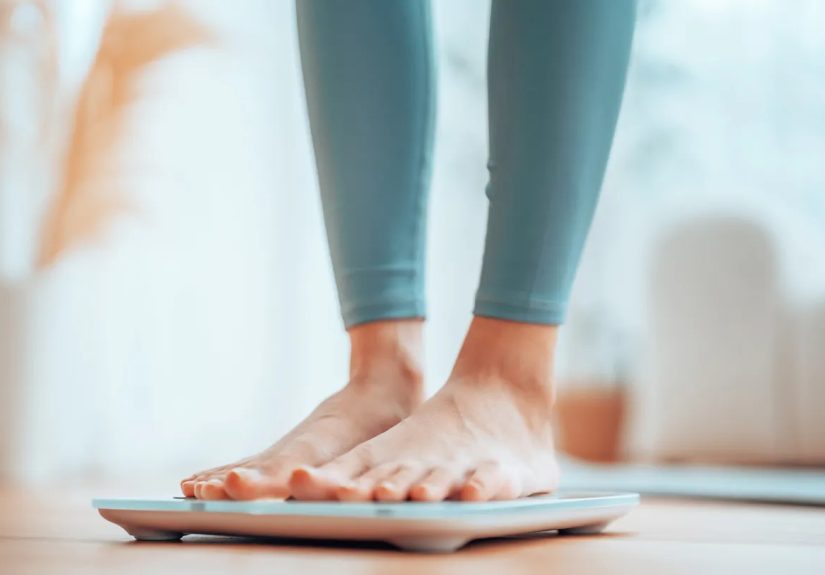
If you’ve ever stepped on the scale a few days before your period and thought, “There’s no way I ate that much,” you are not alone. Many people notice a mysterious two to five pounds show up right before or during their period, only to quietly disappear a few days later. That’s not a personality flaw or a busted diet it’s your hormones, your fluids, and your very hardworking body doing exactly what it’s wired to do.
In this guide, we’ll break down why weight gain during your period happens, what’s actually going on inside your body, and the realistic, science-backed steps you can take to feel better without obsessing over every ounce.
Is weight gain during your period normal?
Short answer: yes. Slightly longer answer: period weight gain is extremely common and usually temporary.
Research suggests that many people who menstruate gain about 1–5 pounds (roughly 0.5–2.3 kilograms) around their period, mostly due to water retention rather than true fat gain. Some studies measuring body weight across the menstrual cycle found an average increase of about 0.5 kg (a little over a pound) around menstruation, driven largely by fluid shifts rather than changes in body fat.
Medical sources also note that this fluctuation often starts in the luteal phase the week or so before bleeding begins and tends to improve within the first few days of your period once hormone levels shift again and your body releases excess fluid.
So if your jeans feel a bit tighter right before your period and your scale creeps up a few pounds, that’s typically a normal part of the menstrual cycle, not a sign that your lifestyle has suddenly fallen apart.
What actually causes weight gain during your period?
Let’s unpack the main players: hormones, water, digestion, appetite, and daily habits. They all team up (sometimes a little too enthusiastically) to create that heavy, puffy feeling.
1. Hormonal shifts and water retention
Your menstrual cycle is orchestrated by hormones like estrogen and progesterone. In the second half of your cycle, progesterone rises and then drops before your period. These hormonal shifts can affect how your body handles sodium and water, leading your tissues to hang on to more fluid.
- Estrogen and progesterone influence fluid balance, making your body more likely to retain water.
- This excess water can show up as bloating, puffiness, and mild weight gain.
- You might notice swelling in the belly, breasts, fingers, ankles, or face.
This is often described as premenstrual water retention, and it’s considered one of the classic physical symptoms of PMS. The key point: it’s water weight, not permanent fat.
2. Bloating and digestive changes
Hormones don’t just affect fluid they also influence your gut. Progesterone can slow down digestion, and changing hormone levels may alter how gas moves through your intestines. The result?
- More bloating and gas.
- Constipation or, for some people, alternating constipation and loose stools.
- A feeling of heaviness or “fullness” in your abdomen.
Even if the scale doesn’t rise much, bloating alone can make clothes feel snug and make you feel heavier. It’s not just in your head; it’s in your GI tract.
3. Cravings, appetite changes, and extra snacks
If your period turns you into a human vacuum for chocolate, fries, or anything with melted cheese, there’s a reason. During the luteal phase, some people experience:
- Changes in serotonin, which can drive cravings for carbs and sweets.
- Fluctuations in blood sugar, leading to “I need a snack now” moments.
- Stronger appetite overall, especially in the days before bleeding starts.
Even a few days of eating more salty, sugary, or carb-heavy foods can temporarily add some weight partly from the actual calories and partly from the extra water your body holds when you store glycogen (carbohydrate reserves).
The important thing to remember: a few days or even a week of eating differently will not undo your long-term progress. Your body weight is influenced by patterns over weeks and months, not one premenstrual snack attack.
4. Less movement and more fatigue
When cramps, low energy, and mood swings hit, your usual workout might be the first thing to go. Many people move less, skip the gym, or shorten their walks around their period. That’s understandable rest is important.
Combined with more snacking and more water retention, this slight drop in activity can contribute to short-term weight changes. That doesn’t mean you have to push through intense workouts when you feel awful; gentle movement (like walking, stretching, or light yoga) can help with bloating and mood without exhausting you.
5. Other contributors: meds and underlying conditions
In some cases, period-related weight changes can be amplified by other factors, such as:
- Certain medications that cause fluid retention or increase appetite.
- Conditions like PCOS, thyroid disorders, or other hormonal imbalances.
- Very high sodium intake from processed foods or takeout meals.
If your weight jumps significantly (for example, more than 5–7 pounds very quickly) or doesn’t drop back down after your period, it’s worth checking in with a healthcare professional to rule out underlying issues.
How much period weight gain is typical?
There’s no single “correct” number everyone’s body responds differently. But many experts and medical sources mention a range of about 2–6 pounds (1–3 kg) as fairly typical for menstrual weight gain related to fluid retention and bloating.
Some key points:
- Some people barely notice any change on the scale; others consistently see a few pounds up.
- Weight may start climbing a few days before your period and peak just before or in the first day or two of bleeding.
- For most, the extra weight begins to drop off within a few days once hormone levels shift and your body sheds extra fluid.
Instead of asking, “What’s the normal number for everyone?” it’s more useful to learn what’s normal for you. Over a few cycles, you might notice patterns maybe you always go up two pounds, or maybe you bloat more in stressful months or when your diet is saltier.
What you can do about weight gain during your period
You can’t cancel your hormones (and honestly, you wouldn’t want to they’re doing important work), but you can make choices that reduce discomfort and help you feel more in control. Think of these as gentle nudges, not harsh rules.
1. Hydrate like it’s your job
It sounds backward, but drinking more water actually helps reduce water retention. When you’re well hydrated:
- Your kidneys can more effectively flush excess sodium.
- Your digestive system tends to work more smoothly, easing constipation.
- Bloating often feels less intense.
Try keeping a water bottle nearby, sipping steadily throughout the day. If plain water feels boring, add slices of lemon, cucumber, or a splash of 100% fruit juice.
2. Watch your salt (without obsessing)
High-sodium foods are like invitations for your body to hold on to water. Around your period, consider cutting back on:
- Packaged snacks like chips, crackers, and instant noodles.
- Fast food and heavily processed meals.
- Very salty sauces like soy sauce or some salad dressings.
Instead, focus on whole foods and home-cooked meals when possible. Pair that with potassium-rich foods (think bananas, avocados, leafy greens, sweet potatoes), which help your body balance sodium and reduce excess fluid.
3. Make friends with complex carbs and fiber
If you crave carbs, your body is not “misbehaving” it’s sending signals. Rather than fighting every craving, try to upgrade it:
- Swap white bread for whole grain bread.
- Choose oatmeal instead of sugary cereal.
- Pair pasta with vegetables and lean protein instead of just a giant bowl of plain noodles.
Complex carbs and fiber help keep your blood sugar steadier, which may ease mood swings and prevent the dramatic “crash and snack” cycle. Fiber also supports digestion, helping with constipation and bloating.
4. Move your body gently if you need to
You don’t have to crush a high-intensity workout when your uterus feels like it’s staging a protest. But some movement can actually help:
- Walking boosts circulation and may reduce water retention.
- Yoga or stretching can ease cramps and back pain.
- Light strength training may improve mood and energy if you feel up to it.
The goal isn’t calorie-burning punishment; it’s to support your circulation, digestion, and mental health.
5. Prioritize sleep and stress management
When you’re tired and stressed, cravings often get louder and willpower gets quieter. Hormones involved in hunger and fullness (like ghrelin and leptin) can be affected by lack of sleep and chronic stress, which may make it harder to ride out the pre-period snack storm calmly.
Helpful strategies include:
- Trying to get consistent sleep (even if it’s not perfect).
- Practicing deep breathing, meditation, or journaling for a few minutes a day.
- Reducing screen time right before bed when possible.
6. Be mindful with caffeine and alcohol
Caffeine and alcohol can both play into bloating and sleep disruption. Around your period, you might notice that:
- Caffeine makes you more jittery and can upset your stomach.
- Alcohol can dehydrate you, paradoxically encouraging your body to hold on to water later.
You don’t necessarily have to cut them out completely, but paying attention to how they affect your symptoms can help you decide whether to dial them back during this part of your cycle.
7. Ask about supplements if needed
Some research suggests that certain nutrients, including magnesium, may help reduce fluid retention and improve PMS symptoms for some people. However, supplements aren’t one-size-fits-all, and they can interact with medications or existing health conditions.
Before starting any supplement, it’s safest to talk with a healthcare professional who knows your medical history. They can help you decide whether a supplement makes sense for you and at what dose.
8. Rethink how and when you weigh yourself
One of the simplest “fixes” for period-related scale anxiety doesn’t involve your body at all; it involves the timing of your weigh-ins.
- Try to weigh yourself at the same time of day, under similar conditions (for example, first thing in the morning after using the bathroom).
- Consider stepping off the scale entirely during the days you know you bloat the most.
- Look at trends over weeks or months rather than one or two days around your period.
Remember: the scale is a tool, not a judge. It does not know or care what part of your cycle you’re in.
When should you talk with a healthcare professional?
Most period-related weight gain is harmless and short-lived. But it’s smart to check in with a doctor or other qualified healthcare professional if:
- You gain more than about 5–7 pounds rapidly and it doesn’t go away after your period.
- You notice severe swelling in your legs, ankles, or face, or you have trouble breathing.
- Your menstrual cycles become very irregular, extremely painful, or unusually heavy.
- You’re dealing with significant mood changes, anxiety, or depression around your period.
This article is for information only and is not a substitute for personalized medical advice, diagnosis, or treatment. If you’re worried about your symptoms or your weight, reach out to a healthcare professional you trust.
Real-life experiences: Making peace with period weight gain
Facts are helpful, but your lived experience matters just as much. Here are some common themes people share about weight gain during their period and how they’ve learned to cope. These aren’t specific individuals, but they’re based on patterns many people describe.
“The scale was stressing me out, so I changed the rules.”
One person noticed that every month, right before their period, the scale would jump three pounds. Cue panic, food guilt, and a sudden urge to go on yet another extreme diet even though, two weeks later, their weight would return to its usual range.
Eventually, they started tracking not just their weight but also where they were in their cycle. After a few months, they could clearly see the pattern: a predictable rise in the luteal phase, followed by a drop once their period began.
The fix? They made a personal rule: no weigh-ins for the five days before their period and the first two days of bleeding. Instead, they focused on how they felt: energy, mood, strength in workouts, comfort in clothes. The numbers still fluctuated but since they weren’t watching during the most dramatic days, the emotional roller coaster flattened out.
“I stopped punishing myself for cravings and started planning for them.”
Another person always craved salty snacks and chocolate in the week before their period. They’d try to “be good,” resist everything, then eventually give in and eat half a family-size bag of chips or a pile of cookies and feel terrible afterward.
Once they understood that hormones can drive appetite and cravings, they changed their approach. A few days before the cravings usually started, they made sure to have:
- Dark chocolate on hand instead of candy bars.
- Popcorn or roasted chickpeas instead of a giant bag of greasy chips.
- Hearty dinners with protein, fiber, and healthy fats to keep them fuller longer.
The result wasn’t perfection. They still had cravings, and they still enjoyed treats. But the binges decreased, the guilt eased up, and the period weight gain felt less like a moral failing and more like a manageable, predictable part of their cycle.
“Comfort clothes became part of my self-care kit.”
Some people swear by what they jokingly call their “period uniform” leggings, soft T-shirts, and sweatshirts that don’t press on their bloated belly. Instead of forcing themselves into fitted jeans and then feeling miserable, they accept that for a few days each month, comfort gets top priority.
This might sound trivial, but it can be powerful. When you’re already dealing with cramps, mood swings, and fluid retention, not adding waistband discomfort to the list is a legitimate act of kindness toward yourself.
“I realized my worth isn’t tied to my fluctuating weight.”
One of the most important mindset shifts many people describe is separating their self-worth from their scale weight. Understanding the biology that hormones, fluids, and digestion can shift your weight by several pounds with no change in body fat helps break the mental link between “a higher number” and “I did something wrong.”
Over time, this perspective can lead to more flexible eating, more sustainable movement habits, and less all-or-nothing thinking. Instead of spiraling when period weight gain hits, they recognize it, adjust their expectations (“Okay, this week I’ll feel a bit puffier”), and focus on feeling supported rather than punished.
Your experience counts, too
Maybe you gain almost nothing during your period or you bloat noticeably every month. Maybe your symptoms have changed as you’ve gotten older, had children, or started new medications. Whatever your pattern looks like, it’s valid and it’s worth paying attention to.
Tracking your cycle, your symptoms, and your habits for a few months can reveal trends and triggers. That information empowers you to plan ahead, show yourself more compassion, and talk with a healthcare professional if anything feels off.
At the end of the day, weight gain during your period is usually your body doing exactly what it’s designed to do. With a bit of knowledge, some practical strategies, and a kinder inner voice, you can ride out those few extra pounds without letting them define your mood, your week, or your worth.






 Close
Close