
Table of Contents >> Show >> Hide
- What Is Sebum?
- Where Does Sebum Come From?
- What Is Sebum Made Of?
- The Main Functions of Sebum
- How Sebum Production Works
- Benefits of Sebum for Skin Health
- What Happens When the Skin Produces Too Much Sebum?
- Sebum, Acne, and Clogged Pores
- What Happens When the Skin Produces Too Little Sebum?
- How to Manage Oily Skin Without Overdoing It
- How to Support Skin With Low Sebum
- Common Myths About Sebum
- When to See a Dermatologist
- Practical Experiences and Everyday Examples Related to Sebum
- Conclusion
Sebum may sound like the name of a mysterious sea creature, but it is actually one of your skin’s most important natural oils. It is the waxy, oily substance produced by sebaceous glands, tiny glands usually connected to hair follicles. While many people only notice sebum when their forehead starts shining like a freshly polished bowling ball, this oil is not the enemy. In the right amount, sebum helps keep skin soft, flexible, protected, and comfortable.
The problem is balance. Too much sebum can contribute to oily skin, clogged pores, blackheads, whiteheads, and acne. Too little sebum can leave skin feeling dry, tight, rough, or easily irritated. Understanding what sebum does, why your skin produces it, and how to support healthy oil levels can make skin care feel less like guesswork and more like common sense.
This guide explains what sebum is, how it is made, why it matters, what affects production, and how to care for skin that produces too much or too little oil.
What Is Sebum?
Sebum is an oily mixture made by the sebaceous glands in your skin. These glands are part of the pilosebaceous unit, which includes the hair follicle, hair shaft, and oil gland. Sebum travels through the follicle and reaches the surface of the skin, where it mixes with sweat, dead skin cells, and other surface lipids to form a thin protective film.
In simple terms, sebum is your skin’s built-in moisturizer. It helps reduce water loss, keeps hair and skin lubricated, and supports the skin barrier. That barrier is the outer defense system that helps protect your body from dryness, irritants, and unwanted microbes.
Sebum is not the same thing as “grease” or “dirt.” It is a normal biological substance. Your skin is supposed to make it. The goal is not to erase sebum from existence, because your face is not a kitchen countertop. The goal is to keep sebum production balanced and pores clear.
Where Does Sebum Come From?
Sebum comes from sebaceous glands. These glands are found across most of the body, especially in areas with many hair follicles. They are most concentrated on the face, scalp, chest, upper back, and shoulders. This explains why these areas are also common places for oily skin and acne.
Sebaceous glands are not found in the palms of the hands or soles of the feet. That is why your palms do not usually become oily in the same way your nose or forehead can.
The glands produce sebum through a process called holocrine secretion. In this process, specialized cells called sebocytes fill with lipids, break down, and release their contents as sebum. It sounds dramatic, but your skin handles it beautifully every day without sending a thank-you note.
What Is Sebum Made Of?
Sebum is a complex blend of lipids, meaning fat-like substances. Its composition can vary from person to person, but it commonly includes:
- Triglycerides and fatty acids
- Wax esters
- Squalene
- Cholesterol and cholesterol esters
- Other lipid compounds and cellular material
Once sebum reaches the skin surface, it does not stay isolated. It mixes with sweat, environmental particles, cosmetic residue, and dead skin cells. This is one reason skin oil can feel different depending on your climate, routine, activity level, and products.
The Main Functions of Sebum
1. Sebum Helps Moisturize the Skin
One of sebum’s best-known functions is lubrication. It helps soften the surface of the skin and hair, reducing roughness and making skin feel more comfortable. When sebum levels are too low, skin may feel dry, flaky, tight, or sensitive.
2. Sebum Supports the Skin Barrier
Your skin barrier helps prevent excessive water loss and keeps outside irritants from easily entering the skin. Sebum contributes to the lipid layer that supports this barrier. Think of it as part of your skin’s weatherproof jacket: not too heavy, not too thin, and ideally not zipped over your pores.
3. Sebum Helps Protect Against Microbes
Sebum plays a role in the skin’s natural defense system. Some components of sebum help maintain the skin’s acidic surface environment, often called the acid mantle. This environment can make it harder for certain harmful organisms to thrive.
4. Sebum Keeps Hair Flexible
Sebum does not only benefit the skin. It also coats hair shafts, helping hair stay flexible and less brittle. This is why the scalp can become oily between washes and why overly harsh shampoos may leave hair feeling dry or straw-like.
5. Sebum May Provide Antioxidant Support
Some sebum components, including squalene, may help protect the skin surface from oxidative stress. Oxidative stress is linked to environmental exposure, pollution, and UV radiation. This does not mean sebum replaces sunscreen. It absolutely does not. Sunscreen is still the adult in the room.
How Sebum Production Works
Sebum production is influenced by several internal and external factors. Your skin does not make oil randomly. It responds to hormones, age, genetics, environment, skin care habits, and sometimes medications or health conditions.
Hormones
Hormones, especially androgens, play a major role in sebum production. During puberty, androgen levels rise, sebaceous glands become more active, and skin often becomes oilier. This is one reason acne is common among teenagers.
Adults can also experience hormone-related oiliness. Menstrual cycles, pregnancy, menopause, polycystic ovary syndrome, stress, and some medications may affect oil production or acne patterns.
Genetics
If oily skin runs in your family, your sebaceous glands may be naturally more active. Genetics can influence gland size, sebum output, pore appearance, and acne tendency. In other words, you may be able to thank your ancestors for both your cheekbones and your shiny T-zone.
Age
Sebum production is usually high in newborns for a short period, then slows during childhood. It increases again during puberty and often remains active through early adulthood. Later in life, sebum production may decline, which can contribute to drier skin and hair.
Climate and Environment
Hot, humid weather can make skin feel oilier because sweat and sebum mix on the surface. Cold, dry air may make skin feel tighter and more dehydrated. Pollution, workplace exposure, and heavy cosmetics can also affect how oily or congested the skin feels.
Skin Care Habits
Over-cleansing, scrubbing, alcohol-heavy toners, and harsh exfoliation can irritate the skin barrier. Irritated skin may feel tight and greasy at the same time, which is an especially annoying skin care plot twist. A gentle routine is usually better than declaring war on every drop of oil.
Benefits of Sebum for Skin Health
Sebum has a bad reputation because it is associated with shine and acne, but it offers several real benefits. Healthy sebum levels help the skin look smooth, feel comfortable, and resist dryness. People with balanced oil production may notice that their skin feels naturally supple and less prone to flaking.
Sebum also helps maintain flexibility. Skin that lacks oil can crack or become irritated more easily, especially in dry climates. Hair also benefits from natural scalp oil because sebum helps reduce friction and dryness along the hair shaft.
The key phrase is “healthy sebum levels.” Too little can be uncomfortable. Too much can clog pores. Balanced sebum is like seasoning in soup: wonderful in the right amount, memorable for the wrong reasons when overdone.
What Happens When the Skin Produces Too Much Sebum?
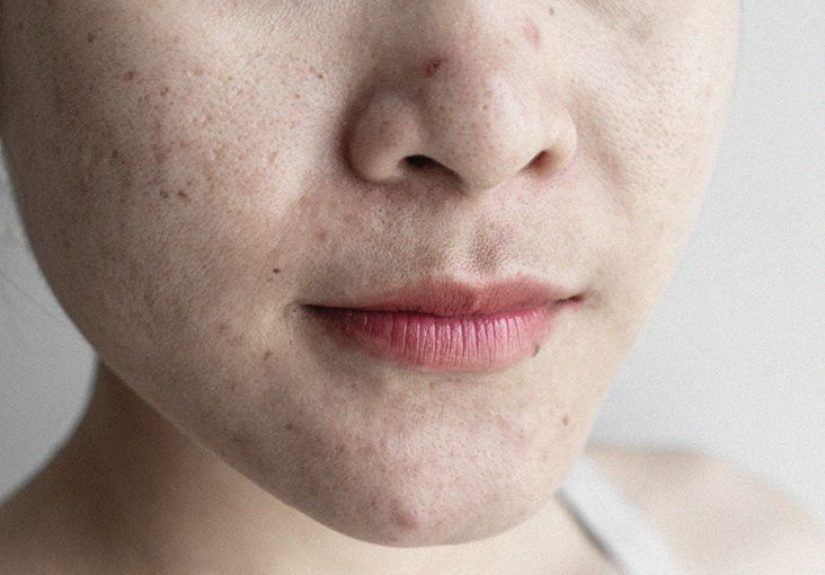
Excess sebum can make skin look shiny, greasy, or slick. It may also contribute to enlarged-looking pores, clogged pores, and acne. Acne forms when hair follicles become plugged with sebum and dead skin cells. Bacteria and inflammation can then contribute to red, swollen, or painful pimples.
Too much sebum does not automatically mean dirty skin. Oily skin can be perfectly clean. The issue is usually gland activity, pore clogging, shedding of skin cells inside follicles, bacteria, and inflammation.
Common Signs of Excess Sebum
- Shiny forehead, nose, or chin
- Makeup that breaks down quickly
- Frequent blackheads or whiteheads
- Visible pores, especially around the nose
- Greasy scalp or hair shortly after washing
- Breakouts on the face, chest, shoulders, or back
Sebum, Acne, and Clogged Pores
Sebum is one part of the acne story, but it is not the whole book. Acne usually develops from a combination of excess oil, dead skin cells, clogged follicles, bacteria, and inflammation. Hormones can increase oil production, while sticky skin cells inside follicles can make clogs more likely.
Blackheads and whiteheads are types of comedones. A whitehead forms when a clogged pore stays closed. A blackhead forms when the clogged material is exposed to air and darkens. The dark color is not dirt, so scrubbing harder is not the solution. Your skin is not a frying pan.
Inflamed pimples, pustules, nodules, and cysts can develop when inflammation becomes more intense. Deep, painful acne should be treated with help from a dermatologist because it can increase the risk of scarring.
What Happens When the Skin Produces Too Little Sebum?
Low sebum production can make skin feel dry, rough, flaky, or tight. Hair may become dull or brittle. Dryness may worsen with age, cold weather, hot showers, harsh soaps, and low humidity.
People with low sebum levels may need richer moisturizers, gentle cleansers, and barrier-supporting ingredients. The goal is to replace lost moisture and reduce water loss without irritating the skin.
Common Signs of Low Sebum
- Tight feeling after cleansing
- Flaking or rough patches
- Dull or brittle hair
- Skin that stings when products are applied
- Fine lines that look more noticeable when skin is dehydrated
How to Manage Oily Skin Without Overdoing It
If your skin produces too much sebum, the best approach is not to punish it. A routine that is too aggressive can irritate the barrier and make skin feel worse. Instead, aim for consistency and gentle oil control.
Use a Gentle Cleanser
Wash your face with a gentle cleanser once or twice daily. Foaming cleansers can work well for oily skin, but they should not leave your face feeling squeaky, tight, or angry. Squeaky-clean skin is often over-stripped skin.
Choose Non-Comedogenic Products
Look for moisturizers, sunscreens, and makeup labeled non-comedogenic or oil-free. These products are designed to be less likely to clog pores. Even oily skin needs moisturizer, especially if you use acne treatments that can cause dryness.
Try Ingredients That Help Keep Pores Clear
Salicylic acid can help exfoliate inside pores. Benzoyl peroxide may help reduce acne-causing bacteria and inflammation. Retinoids can help normalize skin cell turnover and reduce clogged pores over time. These ingredients can be helpful, but they should be introduced gradually to reduce irritation.
Do Not Skip Sunscreen
Some people avoid sunscreen because they fear greasiness. The better move is choosing a lightweight, non-comedogenic sunscreen. Sun exposure can worsen irritation, dark marks after acne, and signs of aging.
Avoid Harsh Scrubs and Alcohol-Heavy Toners
Scrubbing oily skin may feel satisfying for about nine seconds, but it can irritate the barrier and worsen redness or sensitivity. Chemical exfoliants used correctly are usually more controlled than rough physical scrubs.
How to Support Skin With Low Sebum
If your skin feels dry or under-oiled, focus on barrier repair. Use a mild cleanser, avoid long hot showers, and apply moisturizer while skin is slightly damp. Ingredients such as glycerin, hyaluronic acid, ceramides, petrolatum, and dimethicone can help attract or seal in moisture.
Dry skin may also benefit from cream cleansers instead of foaming cleansers. If your skin burns, cracks, bleeds, or develops persistent patches, consider seeing a dermatologist to rule out eczema, dermatitis, or another condition.
Common Myths About Sebum
Myth 1: Sebum Means Your Skin Is Dirty
Sebum is natural. Dirt is external debris. They can mix on the skin surface, but they are not the same thing. Oily skin still deserves gentle care, not shame and sandpaper.
Myth 2: Moisturizer Makes Oily Skin Worse
The wrong moisturizer may feel heavy, but the right lightweight moisturizer can support the skin barrier. When skin is dehydrated or irritated, it may feel even oilier on the surface.
Myth 3: You Can Shrink Pores Permanently
Pore size is influenced by genetics, oil production, age, and clogging. You cannot permanently erase pores, because pores are normal skin openings. You can, however, make them look less noticeable by keeping them clear and protecting collagen with sunscreen.
Myth 4: Greasy Food Directly Causes Oily Skin
Eating one slice of pizza does not send oil directly from your stomach to your forehead. Diet may influence acne for some people, especially high-glycemic eating patterns or dairy in certain individuals, but oily food itself is not a simple one-to-one cause.
When to See a Dermatologist
See a dermatologist if oiliness or acne is persistent, painful, scarring, or emotionally distressing. You should also seek professional advice if you have sudden severe acne, deep cysts, signs of infection, or skin changes that do not improve with over-the-counter care.
Dermatologists can recommend treatments such as prescription retinoids, topical antibiotics, benzoyl peroxide combinations, hormonal therapies, oral medications, or isotretinoin for severe acne. The right treatment depends on your skin, medical history, acne type, and goals.
Practical Experiences and Everyday Examples Related to Sebum
Understanding sebum becomes easier when you look at everyday skin experiences. For example, many people wake up with an oily nose and forehead but dry cheeks. This is classic combination skin. The T-zone often has more active sebaceous glands, while the cheeks may produce less oil. A person with this pattern may need a gel cleanser, lightweight moisturizer, and targeted acne treatment only where pores clog easily.
Another common experience is the “my skin is oily but flaky” problem. This often happens when someone uses strong cleansers, harsh scrubs, or too many acne products at once. The skin barrier becomes irritated, water escapes more easily, and flakes appear. Meanwhile, sebaceous glands keep producing oil. The result is skin that feels like a confusing weather report: dry, oily, cloudy, and slightly dramatic. In this case, cutting back on harsh products and using a simple moisturizer can make a major difference.
Scalp oil is another sebum-related experience. Some people can wash their hair every three days and look fresh. Others wash in the morning and feel greasy by dinner. Scalp sebum levels vary widely. Fine hair may look oily faster because oil spreads more visibly along thin strands. A gentle shampoo routine, occasional clarifying shampoo, and avoiding heavy styling products near the roots can help.
Makeup wear also reveals a lot about sebum. If foundation separates around the nose or forehead by midday, excess surface oil may be breaking it down. A person with oily skin may benefit from a non-comedogenic primer, light layers, oil-absorbing powder, and blotting papers. Blotting is better than repeatedly piling on powder, which can create a cakey finish that looks like frosting but sadly does not taste like cake.
People with dry or mature skin often experience the opposite. Their skin may feel comfortable in the morning but tight by afternoon. Makeup may cling to dry patches. Fine lines may look stronger when the skin lacks moisture and oil. In this case, supporting the skin barrier with a creamy moisturizer, hydrating serum, and gentle cleanser can help skin look smoother and feel more flexible.
Teenagers often experience sudden sebum changes during puberty. A child who never thought about skin care may suddenly deal with oily skin, clogged pores, and breakouts. This can be frustrating, but it is also common. A simple routine with gentle cleansing, non-comedogenic moisturizer, sunscreen, and acne ingredients used carefully can help. The biggest mistake is trying ten new products in one weekend and then blaming the skin for being “sensitive.” Skin prefers a calm introduction, not a surprise party.
Adults can also notice sebum changes during stress, menstrual cycles, travel, sleep disruption, or climate changes. A humid vacation may make skin shinier. A winter trip may make the same skin feel dry and irritated. This does not mean your skin type changed forever. It may simply be responding to its environment.
The most useful experience-based lesson is this: sebum is not something to eliminate. It is something to understand. If your skin is oily, support clarity without stripping. If your skin is dry, support the barrier without clogging. If your skin is both, treat different areas differently. Skin care works best when it behaves less like a punishment and more like a partnership.
Conclusion
Sebum is the natural oil produced by sebaceous glands, and it plays a key role in keeping skin and hair lubricated, protected, and comfortable. Although excess sebum can contribute to oily skin, clogged pores, and acne, sebum itself is not bad. In fact, your skin needs it to maintain a healthy barrier.
The smartest approach is balance. Gentle cleansing, non-comedogenic products, sunscreen, and targeted ingredients can help manage excess oil without damaging the skin barrier. For dry skin, moisturizers and barrier-supporting ingredients can help replace what low sebum levels do not provide. When acne is painful, persistent, or scarring, a dermatologist can offer personalized treatment options.
In short, sebum is not the villain of your skin story. It is more like an overenthusiastic assistant: helpful when managed, chaotic when unsupervised, and very committed to showing up.







 Close
Close