
Table of Contents >> Show >> Hide
- What Is Foam Board Insulation, Exactly?
- The Three Main Types of Foam Board Insulation
- Where Foam Board Insulation Works Best
- The Biggest Benefits of Foam Board Insulation
- The Downsides You Should Not Ignore
- How to Choose the Right Foam Board for Your Project
- Installation Tips That Actually Matter
- Common Mistakes Homeowners Make
- Real-World Experiences With Foam Board Insulation
- Final Thoughts
Foam board insulation does not have the celebrity status of a gleaming kitchen remodel or a fancy front door, but it quietly does something far more impressive: it helps your house stop throwing money out through the walls. If you have ever stood in a chilly basement, touched a cold rim joist, or wondered why one room feels like a sauna in July and a meat locker in January, rigid foam board insulation deserves your attention.
This material is popular because it packs a lot of insulating power into a relatively thin sheet, handles certain moisture-heavy areas better than fiberglass, and can help reduce thermal bridging when installed as continuous insulation. In plain English, it is one of the smartest ways to make a home more comfortable and energy efficient without turning the renovation into a science-fiction experiment.
Still, foam board is not a magic square that solves every building problem by simply existing. Choosing the right type, installing it correctly, and understanding where it shines and where it can backfire matters. Here is the real-world guide to what foam board insulation is, where it works best, how to pick the right product, and what experienced homeowners and remodelers wish they knew sooner.
What Is Foam Board Insulation, Exactly?
Foam board insulation, often called rigid foam insulation, is made in stiff panels rather than fluffy batts or loose fill. These boards are used in walls, roofs, basements, crawlspaces, rim joists, and exterior sheathing assemblies. They are especially useful when you need high R-value in a smaller amount of space or want to create a more continuous thermal layer across framing.
Unlike fiberglass, which fits between studs and joists, foam board can also go over framing to reduce thermal bridging. That is a big deal because wood framing still allows heat to move through the structure. Think of rigid foam as the sweater your house wears on the outside or inside when regular insulation alone is not getting the job done.
Foam board is commonly sold in sheets, often in sizes like 4-by-8 feet, with multiple thickness options. That makes it practical for both large projects and strategic upgrades, such as insulating a basement wall or sealing a drafty band joist.
The Three Main Types of Foam Board Insulation
1. EPS: Expanded Polystyrene
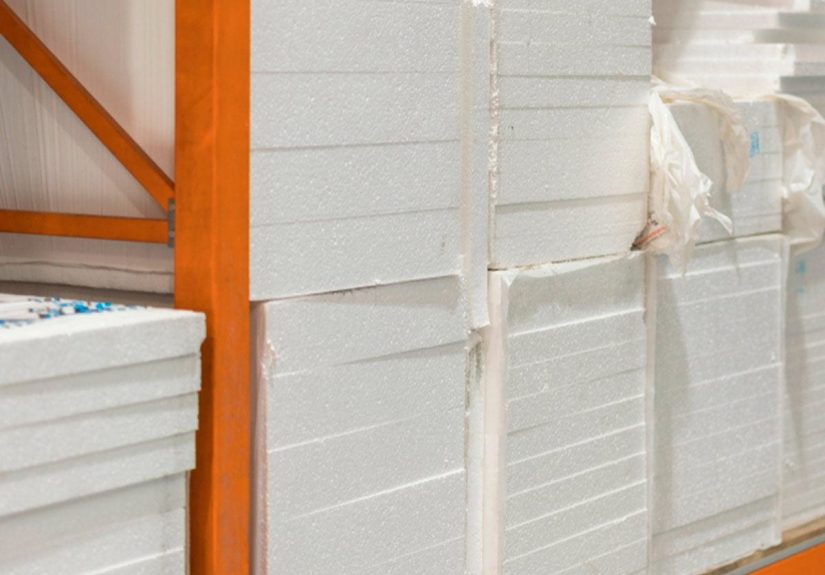
EPS is the budget-friendly member of the rigid insulation family. It is usually white and has a beaded appearance. It is lighter, often less expensive, and widely available. Its R-value per inch is lower than the other two main options, but that does not make it useless. Far from it. In many projects, EPS is the sensible choice when cost matters and thickness is not a major limitation.
EPS can work well in walls, certain below-grade applications, and general-purpose insulation jobs. It is a good reminder that “cheaper” is not always code for “worse.” Sometimes it simply means “less fancy and still very useful.”
2. XPS: Extruded Polystyrene
XPS is the dense, smooth foam board you have probably seen in blue, pink, or another manufacturer-specific color. It usually offers a higher R-value per inch than EPS and has long been a favorite for foundation walls, basement applications, and other areas where moisture resistance matters.
If your project involves a basement wall, rim joist, or another spot where dampness is part of life, XPS is often on the shortlist. It is tougher than EPS, handles abuse a little better, and is commonly used where you want a reliable balance of strength, thermal performance, and moisture resistance.
3. Polyiso: Polyisocyanurate
Polyiso is the high-performance overachiever of the bunch, at least on paper and often in practice. It usually has the highest R-value per inch among common rigid boards, which makes it especially attractive when wall thickness is limited and every inch counts.
Polyiso often comes with foil facers, and it is frequently used in walls and roofing applications. That said, it is not automatically the best answer everywhere. In colder conditions, polyiso can lose some performance, and many pros think carefully before using it in all cold-climate or below-grade situations. This is the part where the “best” product stops being universal and starts being project-specific.
Where Foam Board Insulation Works Best
Basements and Foundation Walls
Foam board insulation is a strong choice for basement insulation because it can handle contact with masonry better than many fibrous products, especially when moisture is part of the picture. Installed against concrete or block walls, it can help limit condensation, improve comfort, and make the basement feel less like a cave with opinions.
In finished basements, rigid foam can also serve as part of a wall assembly before a framed wall or drywall finish goes in. The details matter, though. Seams should be sealed, moisture management should be addressed first, and local code requirements should never be treated like “light suggestions.”
Crawlspaces and Rim Joists
Crawlspaces and rim joists are classic trouble spots. They leak air, collect moisture, and sabotage comfort one sneaky crack at a time. Rigid foam board works especially well here because it can be cut to fit, air-sealed around the perimeter, and used as part of a more complete moisture-control approach.
Many building pros prefer rigid foam in these areas because it does double duty: insulation plus air sealing support. A properly sealed rim joist area can make a noticeable difference in drafts and floor comfort.
Exterior Continuous Insulation
One of the smartest modern uses for foam board is as continuous insulation on the exterior of a home. Instead of insulating only between studs, rigid foam is installed over the sheathing to reduce thermal bridging. This can significantly improve wall performance and help the building envelope stay warmer and drier.
That is particularly valuable in energy-efficient construction, major siding replacements, and remodels where the homeowner wants better performance without gutting every interior wall.
Roofs, Attics, and Specialty Areas
Foam board can also be used in unvented low-slope roofs, under rafters, and in other tight spaces where high R-value per inch matters. In some attic retrofits, rigid foam is used strategically to improve performance and reduce heat flow through framing members.
However, not every attic or roof assembly should be assembled like a DIY puzzle with leftover panels and optimism. Roof design, drying potential, ventilation strategy, and code requirements all matter.
The Biggest Benefits of Foam Board Insulation
High R-value in less space: This is the headliner. Foam board gives you strong insulating performance without requiring a super-thick wall assembly.
Reduced thermal bridging: When used continuously across framing, rigid foam helps block heat loss through studs and joists.
Helpful in moisture-prone locations: In basements, crawlspaces, and foundation areas, foam board often makes more sense than materials that absorb moisture more readily.
Versatility: It works in a wide range of assemblies, including walls, foundations, roofs, rim joists, and floors.
Cleaner installation in certain jobs: Some homeowners prefer cutting and fitting boards over wrestling with itchy batts. Fiberglass can feel like wearing a cloud made of regret. Foam board is tidier, though still not a substitute for safe gear and careful work.
The Downsides You Should Not Ignore
It Must Be Detailed Carefully
Foam board only performs as well as its installation. Gaps, unsealed seams, poorly treated penetrations, and sloppy transitions can undo a lot of its benefit. You are not just installing insulation; you are building part of the thermal and air control layer.
Fire Safety and Code Rules Matter
Rigid foam is not usually meant to remain exposed on interior living-space surfaces. In many cases, it needs a thermal barrier such as drywall or another approved assembly. This is not the kind of detail to shrug off because you are “pretty sure it is fine.” Building officials and fire safety rules exist for very good reasons.
Moisture Strategy Still Comes First
Foam board can help with moisture control, but it does not fix bulk water problems. If water is entering through the foundation, if grading is wrong, or if humidity is unmanaged, insulation alone will not rescue the assembly. First solve the leak. Then celebrate. Then insulate.
Not Every Foam Board Is Ideal Everywhere
Polyiso may be attractive because of its high listed R-value, but in very cold conditions it may not deliver the same real-world performance you expected. Some professionals also choose products carefully for below-grade situations because not all rigid boards behave the same way when exposed to soil, moisture, or seasonal temperature swings.
Pest and Inspection Concerns
In some termite-prone regions, codes may require an inspection strip near the top of foundation walls instead of running foam board all the way up. This is one of those details that feels annoying right up until the day you are grateful someone insisted on it.
How to Choose the Right Foam Board for Your Project
Match the Board to the Location
If you are insulating a foundation wall or basement, moisture resistance and durability may matter more than squeezing out the absolute highest advertised R-value. If you are insulating exterior walls and want top thermal performance in limited thickness, polyiso may be attractive. If you want affordability and decent performance, EPS may be the practical pick.
Think About Climate
A product that looks unbeatable in a catalog may not be the perfect performer in a cold climate or wet location. Cold-weather behavior, vapor control, and drying potential should be part of the selection process.
Consider the Whole Assembly
Foam board is not a solo act. The right choice depends on the sheathing, framing, interior finish, vapor profile, and whether the system needs to function as an air barrier or water-resistive layer. That is why the same product can be brilliant in one wall and a bad idea in another.
Check Local Codes Before You Buy
Required R-values, thermal barriers, ignition barriers, termite details, flood-area requirements, and other rules can all affect your decision. Buying first and reading the code later is the home-improvement version of assembling a crib without the instructions.
Installation Tips That Actually Matter
- Start with dry, sound surfaces. Do not cover active leaks, crumbling masonry, or mystery moisture.
- Measure precisely. Foam board should fit snugly, especially in rim joists and small cavities.
- Seal seams and edges. Tape, spray foam, or compatible sealants often make the difference between “looks insulated” and “is insulated.”
- Account for vapor behavior. Faced and unfaced boards perform differently. Choose intentionally, not accidentally.
- Protect the foam where required. Use drywall or another approved covering when code calls for it.
- Do not skip pest details. Inspection strips and local termite requirements are not decorative suggestions.
- Use manufacturer guidance. Fasteners, compatible tapes, adhesives, and exposure limits matter more than many DIYers expect.
Common Mistakes Homeowners Make
One common mistake is assuming all foam board insulation is basically the same. It is not. EPS, XPS, and polyiso each have strengths, weaknesses, and best-use cases.
Another mistake is ignoring the air-sealing step. A rigid board with leaky edges is like wearing a winter coat with all the zippers open. Technically you are dressed, but the results are not what you hoped for.
Homeowners also sometimes install foam on basement walls without handling water intrusion, or they leave interior foam exposed where a thermal barrier is required. Others choose a product solely by its labeled R-value without thinking about moisture exposure, climate, or the rest of the wall assembly.
Real-World Experiences With Foam Board Insulation
Talk to homeowners who have used foam board insulation, and a pattern shows up quickly: the biggest changes are often felt before they are seen. One family finishing an older basement expected the improvement to be mostly cosmetic. They planned to make the space less gloomy and maybe slightly warmer. After installing rigid foam against the foundation walls, sealing the seams carefully, and finishing the assembly correctly, the bigger surprise was comfort. The basement stopped feeling damp and chilly, the musty smell faded, and the room became somewhere the family actually wanted to spend time. Their reaction was not “Wow, what gorgeous insulation.” It was “Why did we wait so long to do this?”
Another common story comes from people insulating rim joists in older homes. Before the upgrade, the floors above often felt cold in winter, especially near exterior walls. After cutting rigid foam to fit each bay and sealing the perimeter with spray foam, many homeowners notice that the drafts calm down and the temperature feels more even. The improvement is not flashy, but it is real. It is the kind of project that makes socks less necessary indoors, which is a surprisingly high bar for success.
Exterior foam projects often bring a different kind of lesson: planning matters. Homeowners replacing siding sometimes decide to add continuous insulation while the walls are open. The energy benefits can be excellent, but people quickly discover that this move affects trim depth, window details, flashing, and fastening methods. The lesson is not that exterior foam is too complicated. It is that good results come when the insulation plan is tied to the whole wall design. The homeowners who are happiest with the final result are usually the ones who treated the project like a system, not a stack of unrelated materials.
There are cautionary tales too. Some DIYers buy the highest-R board they can find and assume that automatically means they chose the best product. Later, they learn that the board was not ideal for the location, the seams were not sealed well, or code required a protective layer they had not budgeted for. Foam board rewards careful thinking and punishes improvisation. Not dramatically, perhaps, but enough to turn a “smart upgrade” into a “why is this room still weird?” conversation.
Professionals often say the best foam board jobs are the ones where moisture control, air sealing, and code compliance were considered from the beginning. That matches homeowner experience. When the details are right, foam board insulation can make a house quieter, more comfortable, easier to heat and cool, and less prone to condensation headaches. When the details are ignored, the material may still look neat on day one while performing like a very expensive poster board. The takeaway from real-world use is simple: rigid foam is excellent, but only when it is chosen thoughtfully and installed like the building science actually matters.
Final Thoughts
Foam board insulation is one of those building products that seems simple until you learn just enough to realize it is part of a much bigger system. The good news is that it really can deliver major benefits: stronger thermal performance, better comfort, reduced thermal bridging, and smarter moisture handling in the right applications.
The trick is to resist the urge to treat every rigid panel like a universal solution. Choose the type that matches the location, pay attention to climate and moisture, seal it properly, and follow code requirements for thermal barriers and other safety details. Do that, and foam board insulation can be one of the most practical upgrades you make to a home. Not glamorous, perhaps, but neither are high utility bills, damp basements, and frozen toes.






 Close
Close