
Table of Contents >> Show >> Hide
- The Short Answer: The Best Overall Substitute Is All-Purpose Flour
- Why Bread Flour Is Different in the First Place
- Best Bread Flour Substitutes, Ranked
- Which Substitute Is Best for Specific Recipes?
- How to Make the Swap Successfully
- Common Mistakes to Avoid
- So, What’s the Best Substitute for Bread Flour?
- Experience Notes: What It’s Actually Like to Bake Without Bread Flour
- Conclusion
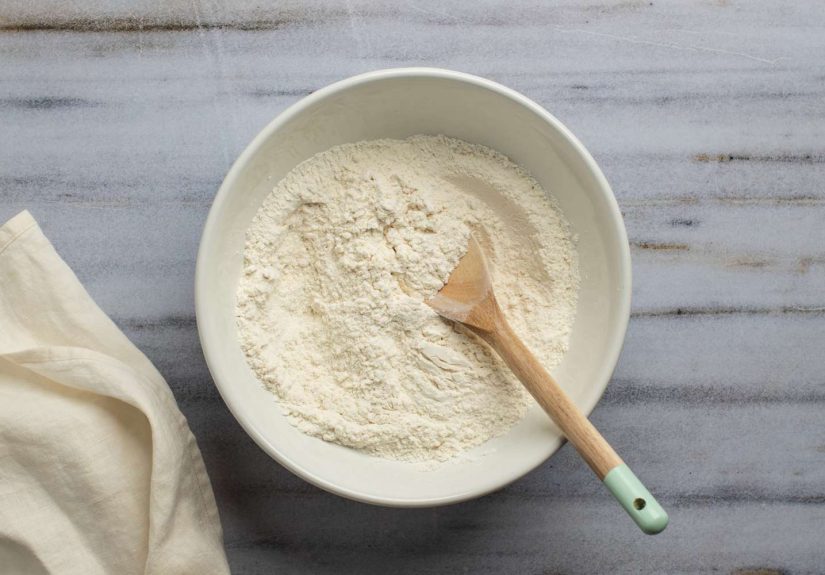
If you’re halfway through a bread recipe and suddenly realize the bag of bread flour is emptier than your motivation on a Monday morning, take a breath. Your dough is not doomed. In most home kitchens, the best substitute for bread flour is all-purpose flour. It is easy to find, easy to use, and capable of producing very good bread, pizza dough, rolls, and even cinnamon buns.
Will it behave exactly like bread flour? Not quite. Bread flour is prized for its higher protein content, which helps create more gluten. That stronger gluten network gives yeast dough more chew, more structure, and often a slightly taller rise. But “not identical” does not mean “bad.” It just means your loaf may be a little softer, a little less springy, and a little less likely to audition for a bakery window.
In this guide, we’ll break down the best bread flour substitute, when to use it, when to tweak it, and which alternatives are only good in specific situations. We’ll also cover how substitutes affect texture, rise, crust, and flavor, so you can stop guessing and start baking with confidence.
The Short Answer: The Best Overall Substitute Is All-Purpose Flour
If a recipe calls for bread flour and you don’t have any, use all-purpose flour in a 1:1 swap. This is the simplest and most reliable substitute for most home bakers. It works especially well for sandwich bread, dinner rolls, focaccia, pizza dough, soft pretzels, and rustic loaves that don’t need extreme chew or dramatic oven spring.
Here’s what usually changes when you swap in all-purpose flour:
- The dough may feel slightly softer and less elastic.
- The loaf may rise a little less.
- The crumb may be more tender and less chewy.
- The crust may be a bit softer.
For many recipes, that difference is minor. In fact, if you are baking for family, not a panel of stern judges wearing white aprons, nobody may notice. The bread will still be homemade, fragrant, and highly effective at making butter disappear.
Why Bread Flour Is Different in the First Place
To understand the substitute, it helps to understand the original. Bread flour is usually milled from hard wheat and contains more protein than all-purpose flour. More protein means more gluten potential once the flour is mixed with water and worked into dough. That gluten creates strength and stretch, which is why bread flour is often used for crusty loaves, bagels, pizza, and other yeast-based baked goods that benefit from a chewy texture.
All-purpose flour sits in the middle. It is designed to be versatile, which is why it works for everything from pancakes to cookies to biscuits to quick breads. It can also make good yeast bread, but it does not deliver the same level of chew and structure as bread flour in every case.
That’s why the question is not really, “Can I replace bread flour?” The better question is, “What result do I want?” If you want an easy, practical substitute, all-purpose flour wins. If you want to chase the exact texture of a bakery-style bagel, you may need a slightly more strategic plan.
Best Bread Flour Substitutes, Ranked
1. All-Purpose Flour
Best for: Most yeast breads, pizza dough, rolls, naan, flatbreads, and everyday baking.
How to substitute: Use it 1:1.
What to expect: Slightly softer dough, less chew, and sometimes a slightly lower rise.
This is the easiest substitute because it behaves predictably and is already in most pantries. If your recipe is for a soft sandwich loaf or dinner rolls, the finished product can still be excellent. Even for pizza dough, all-purpose flour usually performs well enough for home ovens, especially if you allow the dough enough time to rest and develop flavor.
2. All-Purpose Flour Plus Vital Wheat Gluten
Best for: Bagels, chewy pizza, artisan bread, and recipes where you want more structure.
How to substitute: Use all-purpose flour and add a small amount of vital wheat gluten.
What to expect: Better elasticity, more chew, and improved rise compared with plain all-purpose flour.
If you bake bread often, this is a smart pantry trick. Vital wheat gluten is concentrated wheat protein, and adding a little can boost a lower-protein flour. It is especially useful when you want your loaf to feel more like a true bread-flour loaf without running to the store. That said, it is a helpful approximation, not a magical costume change. Your all-purpose flour will not suddenly start filing taxes as bread flour.
This option makes the most sense for serious bread bakers. If you only bake a loaf every other eclipse, plain all-purpose flour is probably enough.
3. Whole Wheat Flour Mixed with All-Purpose Flour
Best for: Hearty sandwich loaves, rustic bread, and recipes where nutty flavor is welcome.
How to substitute: Replace part of the bread flour, not all of it.
What to expect: More flavor, more fiber, more density, and less loft.
Whole wheat flour contains more of the wheat kernel, including bran and germ. That gives it a deeper flavor and better nutrition, but it also changes dough behavior. The bran can interfere with gluten development, which means the bread often turns out denser. For that reason, it works best as a partial substitute rather than a full replacement in recipes designed for bread flour.
A good starting point is swapping in 25% to 50% of the flour, depending on the recipe. This is great for homemade sandwich bread, seeded loaves, and dinner rolls where a slightly heartier texture is a feature, not a flaw.
4. 00 Flour
Best for: Pizza and some European-style doughs.
How to substitute: Usually 1:1, but results vary by brand and protein level.
What to expect: Fine texture and good extensibility, but not always the same chew as bread flour.
00 flour is known more for its fine grind than a single universal protein level. Some versions are softer and better for tender doughs, while others are strong enough for pizza. If you already have it and are making pizza dough, it can be a very reasonable substitute. For everyday sandwich bread, though, it is not automatically the best choice.
5. Gluten-Free Bread Flour or Gluten-Free Baking Blend
Best for: Gluten-free baking only.
How to substitute: Use a blend designed specifically for yeast baking.
What to expect: Different handling, different texture, and often a need for extra liquid or rest time.
If you need a gluten-free substitute, do not just grab almond flour or oat flour and hope for the best. Bread flour gets much of its performance from gluten, so gluten-free bread needs a specially formulated blend. These products are designed to mimic structure with starches, fibers, and binders. They can work very well, but the dough will not feel or behave like standard wheat dough.
Which Substitute Is Best for Specific Recipes?
For Sandwich Bread
Use all-purpose flour. This is the easiest and best substitute for a soft loaf. You may lose a little height, but the bread will still slice well and toast beautifully.
For Pizza Dough
Use all-purpose flour for a reliable result, or all-purpose plus vital wheat gluten if you want more chew. If you have a strong 00 flour, that can work too.
For Bagels
Use all-purpose flour plus vital wheat gluten. Plain all-purpose flour can work, but bagels really benefit from higher protein and stronger gluten development.
For Cinnamon Rolls and Soft Dinner Rolls
Use all-purpose flour. In these recipes, tenderness is not a problem. In fact, the softer result can be lovely.
For Rustic Artisan Loaves
Use all-purpose flour, but watch the dough closely. Since bread flour absorbs more water, a formula written for bread flour may need slightly less liquid when you substitute all-purpose flour. A smart move is to hold back a little water at first and add more only if the dough looks dry.
How to Make the Swap Successfully
Measure by Weight If You Can
If you own a kitchen scale, use it. Different flours can weigh differently by cup, and bread recipes are much more forgiving when measured accurately. Weight gives you consistency. Volume gives you a little suspense.
Watch the Dough, Not Just the Recipe
Dough made with all-purpose flour may not need quite as much water as dough made with bread flour. Start with a little less liquid if the recipe seems very wet, then adjust as needed. The goal is a dough that feels workable, not a sticky swamp or a floury brick.
Expect Slight Texture Changes
Swapping flours is not usually a flavor disaster. It is mostly a texture adjustment. Bread made with all-purpose flour is often softer and a bit less chewy. That is normal, not a sign that your yeast has given up on life.
Give the Dough Time
Even with a substitute, time helps. Resting, proofing, and proper kneading all encourage gluten development. If you are using all-purpose flour instead of bread flour, patience becomes even more valuable.
Common Mistakes to Avoid
Using Cake Flour as a Bread Flour Substitute
This is a bad trade. Cake flour has much less protein and is designed for softness, not strength. It can work in muffins or pancakes, but in yeast bread it usually leads to weak structure and disappointment.
Using Self-Rising Flour Without Adjusting the Recipe
Self-rising flour contains baking powder and salt. That may be useful in biscuits, but it can throw off a yeast bread recipe quickly. It is not the best bread flour substitute unless you really know how to rebalance the formula.
Replacing All the Flour with Whole Wheat
Whole wheat flour is nutritious and flavorful, but using it as a full bread-flour replacement in an existing white bread recipe can create a dense, heavy loaf. Blend it with all-purpose flour for better results.
Assuming Every Flour Brand Behaves the Same
Protein levels vary by brand. One all-purpose flour may be closer to bread flour than another. That is why one baker says, “It worked perfectly,” while another says, “My dough looked like a sad blanket.” Both may be telling the truth.
So, What’s the Best Substitute for Bread Flour?
For most people, in most kitchens, for most recipes, the answer is simple: all-purpose flour. It is the best substitute for bread flour because it is versatile, accessible, and dependable. If you want to get closer to the chew and strength of bread flour, add vital wheat gluten. If you want a heartier loaf, blend in some whole wheat flour. If you are making pizza, 00 flour may be worth using if you already have it. And if you need gluten-free bread, choose a blend made specifically for yeast baking.
The best substitute is the one that matches your recipe, your pantry, and your expectations. Bread flour is wonderful, but it is not the only path to good bread. Sometimes the best loaf starts with a substitution and a little kitchen confidence.
Experience Notes: What It’s Actually Like to Bake Without Bread Flour
In real home kitchens, the experience of replacing bread flour is usually far less dramatic than people expect. The first surprise is that the dough often still comes together beautifully. A baker who swaps in all-purpose flour for a sandwich loaf will usually notice that the dough feels a touch softer and slightly less springy during kneading. It may cling to the bowl a little differently, and it may not have quite the same muscular stretch. But after proofing, shaping, and baking, the loaf still comes out fragrant, golden, and highly edible. The difference is often more noticeable to the baker than to the people happily making toast with it the next morning.
Pizza dough tells a similar story. When all-purpose flour is used in place of bread flour, the dough tends to be easier to stretch for some bakers and a little less snappy in others, depending on hydration and rest time. Once baked, the crust is often slightly less chewy and a bit more tender. For weeknight pizza, that is not a tragedy. It is dinner. And dinner that arrives with melted cheese is rarely met with a formal complaint.
Where bakers tend to notice the biggest difference is in recipes that rely on strong structure. Bagels, artisan boules, and chewy bakery-style breads really show off the extra strength of bread flour. Without it, the dough may spread a little more, rise a little less, and produce a crumb that is softer and less dramatic. That is where the all-purpose-plus-vital-wheat-gluten approach becomes valuable. Bakers who keep vital wheat gluten in the pantry often describe it as the difference between a good homemade loaf and one that feels much closer to a specialty bread-shop texture.
There is also a psychological side to the experience. People often assume a substitution means the recipe has already failed. Then the bread comes out fine, and suddenly flour seems less like a rigid rule and more like a useful tool. That is one of the best lessons baking can teach. Precision matters, but flexibility matters too.
Another common experience is discovering that a substitute changes the bread in a good way. A softer roll, a more tender pizza crust, or a slightly gentler sandwich loaf may actually suit the recipe better for that particular household. Not everyone wants maximum chew. Not every loaf needs to look like it trained for a gluten marathon. Sometimes the substitute becomes the new favorite, not because it is technically identical, but because it works for the way people actually like to eat.
The biggest practical takeaway from these kitchen experiences is simple: pay attention to the dough in front of you. Bakers who succeed with substitutions tend to adjust by feel. They hold back a little water, knead until the dough smooths out, give it enough time to rise, and avoid panicking over tiny texture differences. The ones who struggle are often the ones expecting the substitute to behave exactly like bread flour from the first minute. It usually will not. But with a little observation and patience, it can still deliver excellent results.
So if you are out of bread flour, this is not the moment to abandon the recipe and order emergency pastries. It is the moment to use what you have, understand what may change, and bake anyway. That approach is practical, realistic, and very often delicious.
Conclusion
The best substitute for bread flour is all-purpose flour, especially when you want a quick, reliable fix without changing the entire recipe. It will not create exactly the same chew or rise, but it will still make very good bread in most cases. If you want better structure, add vital wheat gluten. If you want more whole-grain flavor, blend in some whole wheat flour. In other words, your bread recipe is not ruined just because one bag of flour went missing in action.





 Close
Close