
Table of Contents >> Show >> Hide
- What Is an Asthma Action Plan?
- Why Children Need a Written Asthma Action Plan
- Key Parts of a Child’s Asthma Action Plan
- How to Create an Asthma Action Plan With Your Child’s Healthcare Team
- Making the Plan Work at Home, School, and During Activities
- Common Mistakes (And How to Avoid Them)
- When to Call the Doctor and When to Call 911
- Real-World Experiences: How an Asthma Action Plan Changes Family Life
- Conclusion: A Simple Document With a Big Impact
If your child has asthma, you probably know the routine: inhalers in backpacks, reminders
to “take a puff before gym,” and the occasional 2 a.m. wheeze-check. Asthma can feel
unpredictable, which is exactly why an asthma action plan is such a big deal
for kids and their families. Think of it as a customized instruction manual that tells you,
your child, teachers, coaches, and grandparents exactly what to do when breathing
becomes a struggle.
In simple terms, an asthma action plan turns guesswork into a step-by-step game plan. It
helps you spot early warning signs, manage day-to-day symptoms, and act quickly in an
emergency. For children, who may not always have the words to explain how they feel, a
clear written plan can literally be a lifesaver.
What Is an Asthma Action Plan?
An asthma action plan is a written document created together by you, your child, and your
child’s healthcare provider. It outlines:
- Which medicines your child needs and when to take them
- How to tell if asthma is well-controlled, getting worse, or in the danger zone
- Which triggers your child should avoid (like pollen, smoke, or pet dander)
- What to do in an asthma emergency and when to call 911
The plan is usually color-coded into three zones, a bit like a traffic light:
-
Green zone: Your child is breathing normally, sleeping through the night,
and keeping up with activities. Daily controller medicine (if prescribed) keeps them
stable here. -
Yellow zone: Coughing, wheezing, or feeling tight in the chest. This is
the “pay attention” zone where quick-relief medicine and specific steps in the plan can
stop a full-blown attack. -
Red zone: Serious trouble breathing, struggling to talk, ribs showing with
each breath, or blue lips. The plan lists urgent steps, extra medicines, and when to call
the doctor or emergency services.
Instead of panicking and thinking, “What now?”, everyone involved can simply follow the
action plan line by line.
Why Children Need a Written Asthma Action Plan
1. It Catches Problems Before They Turn Into Crises
Asthma doesn’t usually go from “everything is fine” to “racing to the ER” in one second.
Most kids show early warning signslike nighttime coughing, shortness of breath during
play, or needing their rescue inhaler more often. A written asthma action plan helps
parents and caregivers recognize those signs and respond early, often preventing
worsening symptoms and emergency visits.
Some plans include peak flow readings, a simple breath test using a handheld
device. If the numbers drop below a certain level, even before your child feels bad, the
plan tells you what to do. That’s like getting a weather alert before the storm hits.
2. It Reduces Emergency Room Visits and Hospital Stays
Studies show that children who use written asthma action plans tend to have better asthma
control, fewer flare-ups, and fewer hospitalizations. When families know exactly which
medicine to use, how much to give, and when to call the doctor, they can often manage
worsening symptoms at home or in the clinic, instead of waiting until it’s a full-blown
emergency.
In other words, the plan helps move asthma care from “crisis mode” to “prevention mode.”
That’s better for your child’s health and your peace of mind (and yes, your wallet too).
3. It Keeps Everyone on the Same Page
Children are cared for by a village: parents, step-parents, grandparents, babysitters,
school nurses, teachers, coaches, daycare providers, and sometimes older siblings. Without
a written asthma action plan, each person might handle symptoms differently. One might
give medicine too late, another might underdose, and someone else might not realize how
serious a particular symptom is.
An asthma action plan acts as a shared playbook. It tells every adult:
- Which inhaler is the “daily controller” and which is the “rescue”
- Exactly how many puffs to give and how often
- When to notify the parents or doctor
- When to call emergency services
This consistency can make a huge difference, especially at school or during sports
activities, where quick decisions matter.
4. It Helps Children Learn to Manage Their Own Asthma
As kids grow, they gradually become more responsible for their own health. A written plan
with clear, simple language helps them connect symptoms (“My chest feels tight”) with
actions (“I’m in the yellow zone; I need my quick-relief inhaler and to tell an adult”).
Over time, children learn to:
- Recognize their own triggers
- Notice if they’re using their rescue inhaler too often
- Remember their daily controller medicines
- Speak up when something feels wrong
This growing self-awareness can carry into adolescence and adulthood, reducing the risk of
severe attacks and long-term complications.
Key Parts of a Child’s Asthma Action Plan
Every asthma action plan is individualized, but most include similar sections. When you
create one with your child’s healthcare provider, expect to see:
Child and Emergency Contact Information
- Child’s name, age, and primary doctor
- Parent/guardian contact information
- Emergency contacts and preferred hospital
List of Asthma Medicines
This section spells out:
- Name of each medication (both brand and generic if possible)
- Whether it’s a controller (daily) or rescue (as-needed) medicine
- Exact dose (for example, “2 puffs” or “5 ml”)
- How often and when to take it
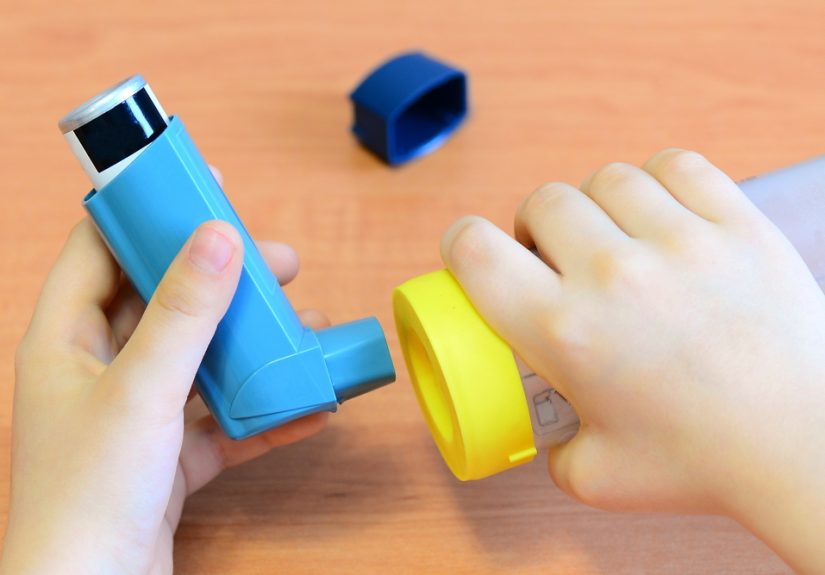
For schools and caregivers, this is gold. It reduces confusion, especially when inhalers
and spacers all look a little similar.
Triggers and How to Avoid Them
The plan lists your child’s personal asthma triggers, which can include:
- Allergies (pollen, dust mites, mold, pet dander)
- Respiratory infections (colds, flu)
- Cold air or sudden weather changes
- Exercise without proper warm-up or pre-treatment
- Smoke, strong odors, or air pollution
The plan may also include strategies like using dust-mite covers, avoiding cigarette
smoke, or pre-treating with a rescue inhaler before sports, if recommended by the doctor.
Color-Coded Zones and Step-by-Step Instructions
Each zone describes:
- Symptoms your child might feel or show
- Peak flow number ranges (if your child uses a peak flow meter)
- The exact medicines to take, how much, and how often
- When to call the doctor or seek emergency care
This is the heart of the planthe part you’ll probably look at most when your child starts
coughing or breathing harder.
How to Create an Asthma Action Plan With Your Child’s Healthcare Team
You don’t have to design this plan from scratch on your kitchen table. Most pediatricians,
family doctors, and asthma specialists already use standardized asthma action plan forms.
Many hospitals, clinics, and public health departments also provide child-friendly
templates.
Here’s how to make the most of that visit:
-
Bring a symptom diary. Note how often your child has symptoms, uses a
rescue inhaler, wakes up at night, or misses school. This helps the provider determine
how well-controlled the asthma is. -
List all medicines your child takes. Include prescription inhalers,
over-the-counter allergy medications, and any supplements. A complete list prevents
confusion and interactions. -
Be honest about real life. If your child forgets their daily inhaler
half the time, say so. The plan should fit your actual routine, not a fantasy schedule. -
Ask lots of questions. If you’re not sure why a medicine is needed, or
how long to use it, ask. No question is “silly” when breathing is involved. -
Practice devices and techniques. Have your child demonstrate how they
use their inhaler and spacer. Technique mistakes are extremely common and can make
medicines less effective.
Before you leave, make sure you have the plan in writing (paper or digital), and ask for
extra copies for school, home, and any other caregivers.
Making the Plan Work at Home, School, and During Activities
A brilliant plan sitting in a drawer isn’t very helpful. To get the full benefit of an
asthma action plan, it has to be visible, shared, and used.
At Home
- Post the plan somewhere easy to see, like the fridge or a family bulletin board.
-
Keep asthma medicines in a consistent, safe location that adults can access quickly (and
younger children cannot access freely). -
Review the plan with your child regularly, especially after a flare-up, so they remember
what each zone means.
At School and Daycare
-
Give a copy of the plan to the school nurse, teacher, and any staff supervising
activities like recess and sports. -
Make sure the school knows where your child’s inhaler and spacer are stored and who is
allowed to help your child use them. -
If allowed in your area and approved by the provider, older children may carry and
self-administer their rescue inhaler. The action plan can support this by clearly
outlining when they should tell an adult and what to do next.
During Sports and Physical Activities
Exercise is good for children with asthmain fact, it’s encouraged. The action plan may
include instructions to:
- Use a rescue inhaler 15–20 minutes before vigorous activity, if recommended
- Warm up gradually instead of jumping into high-intensity exercise
- Watch for symptoms like coughing, wheezing, or chest tightness during sports
- Stop, rest, and follow the plan if symptoms appear
With the right plan, many kids with asthma can play sports at a high leveleven
competitively.
Common Mistakes (And How to Avoid Them)
“We Only Use the Plan During Bad Flares”
An asthma action plan is not just an emergency tool; it also guides everyday management in
the green zone. Skipping daily controller medicines because your child “seems fine right
now” is one of the most common mistakes. Asthma inflammation can be present even when
symptoms are mild, so following the green-zone instructions consistently is key.
“We Haven’t Updated the Plan in Years”
Children grow, their lungs change, and their triggers can shift over time. A plan written
when your child was six may not be appropriate at age ten. It’s important to review and
update the plan at least once a yearor sooner if your child has frequent symptoms,
hospitalizations, or a big change in their health.
“We Assume Everyone Else Knows What to Do”
Never assume that the school, camp, or sports coach has all the necessary information.
Hand them the plan, explain it briefly, and encourage questions. Most adults are grateful
to have clear instructions rather than guessing in a scary situation.
When to Call the Doctor and When to Call 911
Your child’s asthma action plan will spell this out in detail, but as a general guide:
-
Call the doctor if your child needs their rescue inhaler more often than
recommended, has frequent nighttime symptoms, or seems to be getting worse instead of
better after following the yellow-zone steps. -
Call 911 if your child is struggling to breathe, can’t speak in full
sentences, is pulling in the skin between the ribs or at the neck with each breath, has
blue lips or fingernails, or does not improve after following the red-zone instructions.
When in doubt, it’s always better to seek emergency care. You can adjust medicines later;
you can’t negotiate with oxygen.
Real-World Experiences: How an Asthma Action Plan Changes Family Life
To understand why an asthma action plan is so important for children, it helps to look at
what day-to-day life can look like with a plan versus without one. The following
scenarios are based on common experiences that families, teachers, and healthcare
professionals often describe.
The First Year After Diagnosis
Imagine a seven-year-old who has just been diagnosed with asthma after a frightening trip
to the emergency room. Before the diagnosis, every cold seemed to turn into a coughing
fit. The family didn’t know when to be concerned, when to call the doctor, or when to rush
to the hospital. Every wheeze felt like a mystery.
Once the child’s pediatrician creates a written asthma action plan, things change. The
parents now know that if their child is coughing at night more than twice a week, that’s a
sign that the asthma is not well-controlled and their child may be in the yellow zone. The
plan tells them which medicine to add and when to schedule a follow-up visit. Instead of
waking up at 2 a.m. and panicking, they grab the plan, check the symptoms, give the
recommended treatment, and watch for improvement. They still stay alert, but they feel
guided rather than lost.
Sports, Recess, and “Can I Still Play?”
Another common situation involves sports and physical activity. Many children with asthma
love running, playing soccer, or joining the swim team, but parents may worry that sports
will trigger flare-ups. Without a plan, it’s tempting to say, “Just sit this one out,” and
kids can start to feel left behind.
With a clear asthma action plan, the family and coach know that the child should use a
quick-relief inhaler before practice, warm up slowly, and pay attention to any symptoms
during exercise. The plan explains what to do if coughing or wheezing starts: stop,
rest, take additional medicine if prescribed, and alert an adult. The result? Many kids
are able to stay active, build confidence, and feel like full participants. Instead of
asthma being a reason to avoid fun, it becomes a condition that’s managed with clear
rules.
School Days and Substitute Teachers
Schools are busy places with many moving parts. Your child might see a homeroom teacher, a
gym teacher, a music teacher, and a substituteall in one day. Without a written plan,
important details can get lost. A substitute teacher might not know where the inhaler is
stored or how serious your child’s asthma can become.
When the school has a copy of the asthma action plan, it becomes part of your child’s
health record. The nurse can review it at the beginning of the year, and teachers can see
at a glance what to do. If a substitute is in the classroom when your child starts
coughing and struggling with stairs, the teacher can look at the plan, recognize the
yellow-zone signs, and follow the steps instead of waiting to see “if it goes away.”
Growing Independence in Tweens and Teens
As children approach middle school and high school, they start spending more time away
from homeat friends’ houses, after-school activities, or part-time jobs. Parents can’t
be there to supervise every inhaler puff, which can feel unsettling.
An asthma action plan gives older kids a structure for independence. They learn what it
means to be in each zone and how to respond. They understand that if they’re hitting the
rescue inhaler repeatedly during a weekend tournament, that’s a cue to follow the plan and
let a trusted adult know. Some teens keep a digital copy of their plan on their phone,
which they can share with coaches or friends’ parents if needed.
This doesn’t eliminate the need for adult support, but it helps teenagers see themselves
as active partners in managing their asthma rather than passive patients. That mindset can
have long-term benefits for their health and confidence.
The Emotional Side: Less Fear, More Control
Asthma doesn’t just affect lungs; it affects emotions. Children may feel scared when they
can’t catch their breath, and parents may feel guilty or anxious, wondering if they missed
something. A written asthma action plan doesn’t erase those feelings, but it does reduce
the uncertainty that feeds them.
Families often describe feeling calmer once they have a plan. They know who to call, what
medicines to use, and what “better” should look like after treatment. Teachers and
caregivers, too, feel more confident when they have a clear, written guide instead of
vague instructions.
In short, the action plan brings order to a condition that can otherwise feel chaotic. For
a child trying to grow, learn, play, and dream, that sense of control over breathingand
over lifematters more than you might think.
Conclusion: A Simple Document With a Big Impact
For children with asthma, a written asthma action plan is more than paperwork. It’s a
roadmap that explains how to stay in the green zone as much as possible, what to do when
symptoms appear, and how to respond in an emergency. It connects families, schools,
healthcare providers, and kids themselves in a shared strategy for staying safe and
active.
Creating and using an asthma action plan takes a little bit of time, but the payoff is
huge: fewer surprises, fewer emergencies, and more confidence that your child can breathe
easieron the playground, in the classroom, and everywhere in between.







 Close
Close