
Table of Contents >> Show >> Hide
- Why November works so well for lawn edging
- But is November really the best time everywhere?
- How lawn type affects your November edging plan
- What a lawn pro would do in November
- Best tools for edging your lawn in late fall
- How to edge your lawn in November without making a mess
- Common November edging mistakes to avoid
- Does edging in November help with weeds?
- Why this one task pays off big in spring
- Real-world November edging experiences from the yard
- Conclusion
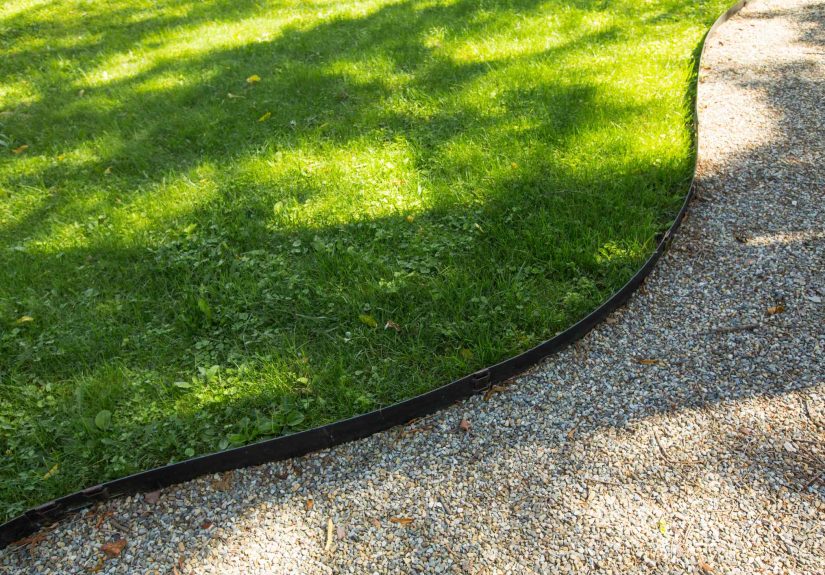
If your lawn has been looking a little shaggy around the edges lately, congratulations: your yard is acting like a yard. Grass creeps. Mulch wanders. Leaves pile up. Sidewalks start disappearing under a fuzzy green mustache. But if there is one month that makes it especially smart to grab an edger and clean things up, it is November.
For many homeowners across the United States, November hits a sweet spot in the lawn-care calendar. Growth has slowed enough that you are not fighting an endless battle every five minutes, but in many regions the lawn has not fully shut down for winter yet. That makes late fall the perfect time to create crisp borders, clean up bed lines, and give your yard one sharp, intentional finish before cold weather settles in.
And no, this is not just about making your lawn look fancy for exactly three squirrels and one nosy neighbor. A good November lawn edging session can help limit grass creep, make winter cleanup easier, reduce the messy look of leaf season, and set your yard up to look far more polished when spring rolls around. Think of it as putting your lawn to bed after it brushed its teeth.
Why November works so well for lawn edging
Grass growth has slowed down, which means your hard work lasts longer
One of the biggest reasons November is such a strong time to edge your lawn is simple: the grass has finally calmed down. In spring and early fall, turf can grow fast enough to make a fresh edge look great for about six minutes. By November, many lawns are growing more slowly, so a defined border tends to hold its shape longer.
That matters whether you are edging along sidewalks, driveways, patios, tree rings, or flower beds. When the turf is not aggressively spreading, you can reestablish a clean edge and expect it to stay neat through winter instead of instantly blurring back into chaos. In other words, November gives you a better return on effort. Your edger does the same amount of work, but the results stick around longer.
It is easier to see what needs attention
Late fall has a way of exposing the truth. Summer flowers fade. Mulch settles. The lawn stops hiding its bad habits. Suddenly, the places where grass has crept into beds or over sidewalk joints are much easier to spot. November is the month when your yard becomes brutally honest, and honestly, that is helpful.
If your border lines are wavy, narrowed, or buried under a season’s worth of overgrowth, November is a great time to reset them. You are not just trimming for appearance. You are restoring the line between turf and everything else in the yard. That clean separation makes future mowing, mulching, and spring cleanup much easier.
It pairs perfectly with your final rounds of fall cleanup
November lawn care usually includes a few familiar chores: mowing as needed, managing leaves, cleaning up beds, and prepping for winter. Edging fits naturally into that schedule. Instead of treating it like one more annoying task, think of it as the finishing pass that makes the rest of your work look intentional.
After leaves are mulched or removed and the lawn gets one of its last cuts, a crisp edge makes the whole property look cleaner. Even if your grass goes dormant soon after, the structure remains. Sidewalks look sharper. Beds look tidier. The yard reads as maintained instead of abandoned until April.
It helps reduce grass creep into beds and hardscapes
Grass is not shy. Given enough time, it will happily migrate into flower beds, spread over mulch, and nose its way into cracks along walkways and driveways. Edging creates a defined boundary that slows that creep down. That is one reason lawn pros treat edging as more than cosmetic. It is also a form of control.
If you edge in November, you are cutting back that spread before winter. That means less cleanup later and a better starting point next season. For homeowners with ornamental beds, vegetable gardens, or decorative borders, that alone can make fall edging worth the effort.
But is November really the best time everywhere?
Not universally, and that is the grown-up answer. Lawn care depends on climate, soil, and turf type. In much of the country, November is an excellent window for a final edge because turf growth is slowing but the ground is still workable. In very cold areas, you may need to edge earlier if the soil freezes fast. In warmer Southern climates, the timing can stretch later. And if your lawn is warm-season grass, your November edge may be more about cleanup and presentation than active growth management.
So the better way to say it is this: November is often the best final fall edging month for many U.S. lawns. It is less about a magic date on the calendar and more about catching that sweet spot before the ground turns hard and before winter weather makes outdoor work miserable.
How lawn type affects your November edging plan
Cool-season lawns
Cool-season grasses such as Kentucky bluegrass, fescue, and perennial ryegrass often stay active longer in fall than people expect. If your lawn is still growing, you are usually still mowing, and if you are still mowing, edging still makes sense. For these lawns, November can be ideal because turf is active enough to benefit from continued maintenance, but slow enough that the finished look lasts.
Cool-season lawns also benefit from staying clear of thick leaf buildup. If you are already out there mulching or removing leaves, it is a smart time to sharpen borders too.
Warm-season lawns
Warm-season grasses like bermudagrass, zoysia, centipede, and St. Augustine typically slow or enter dormancy as temperatures drop. For these lawns, November edging is still useful, but the goal shifts slightly. You are not trying to keep up with active spread so much as giving the lawn a clean perimeter before winter and making spring cleanup easier.
That clean perimeter is especially helpful if your beds are mulched, your hardscape needs to stay visible, or your lawn tends to look ragged once it loses color. A defined edge can make a dormant lawn look deliberate rather than neglected.
What a lawn pro would do in November
If a lawn professional were sizing up your yard in November, the job would not be “edge everything because the internet said so.” It would be more targeted than that. A pro would look for the places where edging creates the biggest payoff:
- Sidewalk and driveway borders that have started to blur
- Flower beds where grass is creeping into mulch
- Tree rings that have lost their definition
- Patio edges that are collecting runners and weeds
- Curb lines that affect overall curb appeal
That is where November edging shines. It is not about obsessively shaving every blade. It is about restoring shape to the landscape before winter flattens everything visually.
Best tools for edging your lawn in late fall
Manual edger
A manual half-moon edger or step edger works well for small lawns, touch-ups, and bed redefinition. It is slower, but it gives great control and is ideal if you want a natural trench edge around landscape beds.
String trimmer
A string trimmer is convenient for routine cleanup along pavement and around obstacles. It is not always the best choice for creating a brand-new edge, but it is great for maintaining one. If you already have a crisp border, a trimmer can keep it looking sharp with minimal fuss.
Powered lawn edger
For long sidewalks, driveways, and larger properties, a dedicated gas or battery-powered edger is usually the fastest route to clean lines. It creates a more consistent trench and helps when the overgrowth is thick enough to make a string trimmer feel like a polite suggestion.
How to edge your lawn in November without making a mess
- Pick a dry, workable day. Avoid frozen ground, heavy mud, or frosty turf.
- Clear debris first. Remove sticks, rocks, and leaf piles so you can actually see the edge.
- Use existing hardscape as a guide. Sidewalks and driveways make this easy. For beds, use the existing curve or redefine it with a spade.
- Go shallow and controlled. You want a crisp edge, not a trench deep enough to lose your keys in.
- Clean up the clippings. Blow or sweep debris off hard surfaces and out of the lawn.
- Finish with mowing if needed. A final mow after edging can make the entire yard look tighter.
If the soil is bone-dry, lightly dampening the edge area beforehand can make the process easier and reduce dust. And please wear eye protection. November is not the month to take a pebble to the face in the name of curb appeal.
Common November edging mistakes to avoid
Edging after the ground freezes
Once the soil is frozen or the turf is frosty, stop. You are not going to get a clean cut, and you may do more harm than good. Timing matters. November is great when the ground is still workable. It is not great when your lawn sounds like a tortilla chip under your shoes.
Scalping the lawn edge
Some homeowners get a little too enthusiastic and carve away too much turf. A defined border is good. A mangled dirt moat is not. Keep it neat, consistent, and proportional to the space.
Ignoring leaves
Edging a lawn that is buried in wet leaves is like vacuuming before cleaning up glitter. Do the leaf management first or at least at the same time. Thick leaf cover can smother turf and ruin the clean look you are trying to create.
Treating every lawn the same
A cool-season lawn in Illinois and a warm-season lawn in Georgia are not reading from the same playbook. Your November approach should match your turf type and local weather, not your cousin’s yard three states away.
Does edging in November help with weeds?
It can help indirectly, yes. Edging will not magically erase every weed in your zip code, but it does reduce one of the common trouble spots: messy borders where turf, mulch, and bare soil collide. By creating a defined separation, you make it harder for grass to invade beds and easier to spot unwanted growth along borders.
That cleaner edge also supports better maintenance. Mulch stays where it belongs, mowing becomes more precise, and spring touch-ups are less dramatic. Think of November edging as part prevention, part presentation.
Why this one task pays off big in spring
Here is the real secret behind November edging: you are borrowing less work from your future self. When spring arrives, lawns wake up fast. If your borders are already defined, you start the season ahead. Beds are easier to refresh. Hardscape looks cleaner. Grass has less room to creep before you notice it. The whole yard looks more organized from day one.
That is why lawn pros love a strong finish to the fall season. It is not because edging in November is glamorous. It is because it saves time, improves appearance, and sets a visual framework for everything that comes next.
Real-world November edging experiences from the yard
In real lawn care, November is the month when the difference between a “fine” yard and a “wow, that looks cared for” yard becomes obvious. You see it most clearly along sidewalks and driveways. A lawn can be healthy, green, and properly mowed, but if the borders are fuzzy, the whole property looks slightly off. Then someone edges it, sweeps the debris, and suddenly the same yard looks like it got promoted.
One of the most common late-fall situations is the lawn that looked decent in September but started unraveling in October. Leaves dropped, mowing became less frequent, and the border between bed and turf slowly disappeared. By November, mulch had drifted, runners had crept into the planting area, and the front walk looked narrower than it really was. A single edging session often fixes more of that visual clutter than homeowners expect. It is not magic. It is structure.
Another very real November pattern shows up in busy households. During summer, people are focused on keeping the grass cut. During fall, they are dealing with school schedules, holidays, leaves, and colder weather. Edging gets bumped down the list. Then, when they finally do it in November, they realize it was the missing piece all along. The lawn did not need a complete makeover. It needed definition. Once the edges are cut cleanly, even a dormant or partly dormant lawn can still look orderly.
Tree rings are another place where November edging makes a big visual difference. Over a season, the edge around a tree can collapse into the lawn until the mulch looks swallowed up. Redefining that ring in late fall makes mulching easier, helps keep mower wheels away from the trunk area, and gives the landscape a more intentional shape going into winter. The same thing happens around mailbox posts, patios, and garden beds. Clean lines make ordinary features look designed instead of accidental.
There is also a practical side that shows up the next spring. Homeowners who edge in November often notice that spring cleanup feels less overwhelming. The bed lines are already there. The sidewalk is already visible. The first mow of the season does not begin with a rescue mission. Instead of spending the first warm weekend trying to rediscover where the lawn ends and the garden begins, they can focus on mowing, weeding, feeding, and enjoying the yard.
Warm-climate lawns tell a slightly different story, but the payoff is still there. Even when warm-season turf is heading dormant, a November edge can keep the landscape from looking tired. Dormant grass can lose that lush summer color, so shape starts doing more of the visual work. A crisp edge adds that shape. It frames the lawn when color is not carrying the whole show.
The strongest lesson from real yards is this: November edging works best when it is treated like a finishing move, not a random chore. Pair it with leaf cleanup, one of the last mows, and a quick sweep of hard surfaces, and the whole property looks settled for the season. It is a small task with a big visual payoff, which is exactly why lawn pros keep recommending it.
Conclusion
For many American lawns, November is the best time to edge because it sits at the perfect intersection of slower grass growth, active fall cleanup, and pre-winter preparation. The borders you cut now usually last longer, look cleaner, and make spring maintenance easier. That does not mean every lawn in every climate should wait until November on the dot. It means that for a huge number of homeowners, late fall is the smartest time to create one final clean frame around the yard.
If your sidewalk edge is blurry, your beds are swallowing turf, or your lawn just looks a little too relaxed heading into winter, this is your sign. Edge it now. Your spring self will be smug about it later.






 Close
Close