
Table of Contents >> Show >> Hide
- The Viral Sneaker Crease Hack, Explained
- Why This Method Can Actually Work
- How To Remove Creases From Sneakers Safely
- Which Sneakers Respond Best?
- Why People’s Before-and-After Results Vary So Much
- What Not To Do
- How To Keep Creases From Coming Back So Fast
- Is The Viral Sneaker Crease Hack Worth Trying?
- Extra Real-World Experiences: What People Notice After Trying The Sneaker Crease Method
- Conclusion
If you have ever looked down at your favorite sneakers and thought, “Wow, that toe box aged 12 years during one grocery run,” welcome. You are among friends. Sneaker creases are the tiny wrinkles that launch a thousand cleaning hacks, half a dozen regrets, and at least one dramatic group chat message.
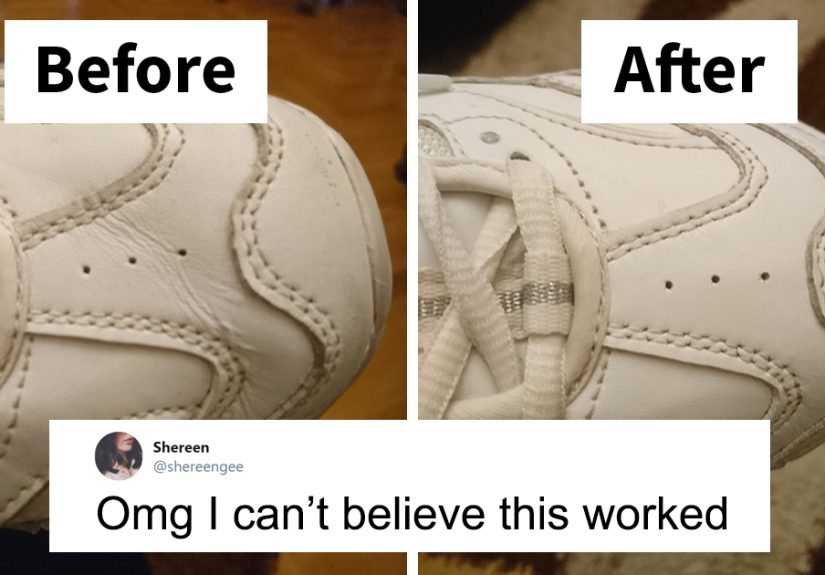
One viral method made the rounds online after a woman showed how to smooth creases out of sneakers using a simple at-home setup. People copied it, posted their before-and-after results, and suddenly the internet was treating wrinkled shoes like a national emergency. The good news? The method is not complete nonsense. The better news? It can work surprisingly well on the right shoes. The reality-check news? It is not magic, and it is definitely not a one-size-fits-all fix.
Here is what the viral sneaker crease hack is really doing, why some people get great results, why others get a sadder version of the same shoe, and how to try it without accidentally turning your sneakers into a cautionary tale.
The Viral Sneaker Crease Hack, Explained
The basic method is simple enough that it spread fast: stuff the front of the shoe so it holds its shape, place a damp cloth over the creased area, then apply low heat in short bursts. The goal is to soften the material just enough for the upper to relax and flatten out.
That is why the hack became so popular. It feels clever, it uses items people already own, and the before-and-after photos can look dramatic, especially on white leather sneakers with sharp toe-box creases. When a pair looks cleaner and smoother after just a few minutes, it is easy to see why people started posting results like they had personally reinvented footwear science.
But the method only works well when the shoe material, heat level, moisture, and shoe structure all cooperate. In other words, this is less “internet miracle” and more “light restoration project with decent odds.”
Why This Method Can Actually Work
Heat softens the material
Many sneaker creases form where your foot bends over and over again, especially across the toe box. On leather sneakers, gentle heat can soften the upper enough to let the bent area relax. That does not erase wear forever, but it can reduce the appearance of lines and make the shape look more even.
Moisture helps prevent scorching
The damp cloth is not just there for dramatic effect. It acts like a buffer between the hot surface and the shoe, helping distribute heat more gently. Think of it as the sneaker version of “let’s not make this worse.” Without that barrier, direct heat can damage the upper, discolor the finish, or create shiny patches that scream “I tried a hack and lost.”
Stuffing the shoe supports the shape
This step matters more than many people realize. If the sneaker is not packed firmly from the inside, you are basically heating a wrinkle with nothing underneath to push it back into place. Stuffing the toe box with socks, paper, or a shoe tree gives the upper something to press against, which is a big reason some before-and-after attempts look impressive while others barely move the needle.
How To Remove Creases From Sneakers Safely
If you want to try the method, do it like a careful adult, not like a reality-show contestant with a deadline.
Step 1: Start with clean, dry shoes
Do not press dirt deeper into the material. Wipe away surface grime first, especially around the toe box and stitching. If your sneakers are dusty, muddy, or have mystery smudges from the sidewalk, clean those before you do anything with heat.
Step 2: Stuff the shoe firmly
Use socks, paper towels, clean rags, or a shoe tree. The front of the shoe should feel supported, not floppy. This is what helps the crease lift instead of just warming up for no reason.
Step 3: Dampen a cloth
Use a soft washcloth or towel that is damp, not dripping. Wet enough to create a protective barrier, not so soaked that you are giving your sneaker a weather event.
Step 4: Use low heat and short passes
Place the cloth over the creased area and apply low heat in short intervals. Do not park the iron in one place like it is paying rent. Lift, check, and repeat. Patience is the difference between “pretty good result” and “why does my shoe now look glazed?”
Step 5: Let the shoe cool while still stuffed
This is where many people get impatient. If you pull the stuffing out too soon, the material can settle right back into a bent shape. Let the shoe cool fully so the smoother form has a chance to hold.
Step 6: Finish with light maintenance
On leather pairs, a little conditioning can help restore suppleness and reduce that dried-out look. If the shoe is white, clean the sole and laces too. A smoother toe box looks much better when the rest of the sneaker is not still wearing last month’s coffee run.
Which Sneakers Respond Best?
The viral method is most convincing on leather sneakers, especially structured pairs with visible toe-box creases. White leather styles tend to show the biggest “wow” factor because every wrinkle stands out, and every improvement is easy to spot in photos.
Synthetic uppers can be trickier. Some respond a little. Some respond poorly. Some would prefer that you stop experimenting immediately. Mesh and knit sneakers are usually the worst candidates because they do not crease the same way leather does, and heat can do more harm than good. Suede is also risky territory. It is more delicate, more sensitive to moisture, and more likely to lose texture or finish if treated aggressively.
In plain English: if your sneakers are leather, you have a shot. If they are mesh, knit, heavily textured, or delicate suede, this hack is much less of a glow-up and much more of a gamble.
Why People’s Before-and-After Results Vary So Much
Some creases are shallow, others are committed
A light bend from a few wears is one thing. A deep crease that has been folded into the same spot for months is practically paying property taxes. Older, sharper creases are harder to smooth completely.
Material matters more than the hack
Two pairs of sneakers can look similar and behave totally differently. Tumbled leather, coated leather, synthetic leather, and soft fashion leather all react in their own way. That is why one person posts a jaw-dropping result while another gets a polite improvement and a lot of false hope.
Shoe shape and fit play a role
If a sneaker creases fast because it is too roomy in the toe box or bends awkwardly on your foot, the wrinkle may come right back after you wear it again. The method can improve appearance, but it cannot rewrite how the shoe fits or flexes.
Some photos are just better theater
Lighting, angle, and how much the shoe is stuffed all affect the before-and-after reveal. A flatter shoe shot from above can make any result look stronger. That does not mean people are faking it; it just means the internet has always loved a flattering angle.
What Not To Do
Do not put the iron directly on the sneaker
Always use a cloth barrier. Direct heat is how good intentions become permanent damage.
Do not crank the heat
More heat does not equal better results. It just increases the chance of melting, warping, discoloring, or drying out the material.
Do not soak suede or delicate uppers
Suede and moisture are not exactly best friends. If the shoe is delicate, textured, or high-end, use much more caution or skip the hack entirely.
Do not assume all DIY cleaners are leather-friendly
Baking soda, vinegar, peroxide, and other household staples can be useful in some shoe-cleaning situations, but they are not automatically the right choice for every upper. Leather especially can dry out, lose oils, or look dull if you get overconfident with kitchen chemistry.
Do not expect permanent perfection
This is the hard truth sneaker lovers do not always want to hear: if you wear shoes, they will crease. The hack can improve appearance. It cannot negotiate with physics.
How To Keep Creases From Coming Back So Fast
Use shoe trees or crease protectors
If you care about keeping sneakers smooth between wears, shape support helps. Shoe trees are especially useful after cleaning or after doing any de-creasing method. Crease protectors can also help some pairs keep their form, though comfort varies from person to person.
Untie your sneakers when taking them off
Yes, it takes five extra seconds. Yes, it matters. Crushing the heel and yanking your foot out is a fast track to warped structure and sloppy shape.
Rotate your pairs
Wearing the same leather sneakers every day gives the upper no time to relax. Rotation is kinder to the shoe and to your overall style, which now looks intentional instead of “I own one pair and we are codependent.”
Clean them often
Regular light cleaning keeps grime from setting in and helps the whole shoe look fresher, even when some natural creasing remains. Sometimes the difference between “beat-up” and “well-kept” is not the crease itself. It is the dirt, dingy laces, and scuffed sole hanging around it.
Is The Viral Sneaker Crease Hack Worth Trying?
For leather sneakers with visible toe-box creases, yes, it can be worth trying. The method is inexpensive, fairly simple, and capable of producing noticeable cosmetic improvement when done carefully. If your goal is to freshen up a pair before wearing them out, photographing them, reselling them honestly, or just feeling better about your closet, it can absolutely help.
That said, the best way to think about it is as maintenance, not resurrection. It is more “refresh” than “factory reset.” If your sneakers are deeply worn, made from delicate materials, or already drying out, go slowly or leave the job to a specialty cleaner.
In short: the woman in the viral post was onto something. The internet was not entirely losing its mind. But the real secret is not just the trick itself. It is using it on the right shoe, with the right amount of heat, and with realistic expectations.
Extra Real-World Experiences: What People Notice After Trying The Sneaker Crease Method
One reason this topic keeps coming back is that the experience feels oddly personal. People are not just fixing shoes; they are trying to rescue that satisfying “fresh out of the box” look. And when they test the crease-removal method, the reactions tend to follow a familiar pattern.
First comes skepticism. A lot of people assume the trick sounds too simple to work. Stuff a shoe, add a damp cloth, use a little heat, and somehow the crease softens? It sounds like the sort of advice passed along by a cousin who also claims mayonnaise fixes everything. Then they try it on an older leather pair, lift the cloth, and realize the toe box actually does look smoother. That moment is what fuels all those dramatic before-and-after posts.
But the second common experience is even more important: people quickly learn that not every sneaker reacts the same way. Some say the difference is obvious right away, especially on smooth leather pairs. Others report that the crease improves but never fully disappears. A few discover that the shoe looks better until they wear it again, at which point the line starts creeping back like it never signed the peace treaty.
Another thing people notice is that stuffing the shoe well is not optional. The attempts that flop are often the ones where the sneaker is only loosely packed. When the upper does not have firm support underneath, the heat softens the material but does not really reshape it. That leads to the classic underwhelmed reaction: “I did the hack and my shoe somehow looks exactly the same, just warmer.”
There is also a clear difference between “photo-ready better” and “brand-new better.” For many people, the method does not restore a perfect factory finish. What it does do is reduce the harshness of the fold, smooth the surface enough to look cleaner, and make the sneaker feel less beat up overall. In real life, that is often more than enough. A pair does not need to be flawless to look good again. It just needs to stop looking like it lost a fight with your commute.
Some users also come away with a bigger lesson about prevention. After seeing how much effort it takes to calm down one deep crease, they start using shoe trees, rotating pairs, or paying more attention to fit. That may be the funniest part of the whole trend: people arrive for the hack and accidentally leave with better shoe habits.
So yes, the before-and-after results are real enough to keep the trick alive. But the most honest experience is this: it works best as a smart touch-up for the right sneakers, not as a miracle cure for every crease under the sun.
Conclusion
The viral method for removing sneaker creases became popular because it sits in the sweet spot between easy, cheap, and weirdly satisfying. And unlike many internet hacks that deserve to be launched directly into space, this one has some logic behind it. With leather sneakers, careful heat, a damp cloth, and proper support inside the shoe, you can often soften visible creases and make a well-loved pair look much fresher.
Still, the smartest approach is a balanced one. Treat the hack like a maintenance tool, not a miracle. Respect the material, keep the heat low, avoid experimenting on delicate pairs, and remember that sneakers are meant to be worn. A little creasing is normal. A little care just helps your shoes age with dignity instead of chaos.







 Close
Close