
Table of Contents >> Show >> Hide
- Why Furniture Dents Happen in Carpet
- Method 1: Use Ice Cubes for Small to Medium Dents
- Method 2: Use a Damp Cloth and Iron or Steamer for Deep Dents
- Method 3: Spray Water, Then Use a Blow Dryer and Spoon or Vacuum
- Which Method Is Best for Your Carpet Dent?
- Mistakes to Avoid When Removing Carpet Dents
- How to Prevent Furniture Dents in Carpet
- Real-Life Experiences With Removing Furniture Dents From Carpet
- Conclusion
- SEO Tags
Note: Body-only HTML, ready for web publishing and easy copying.
Rearranging a room is supposed to feel exciting. You move the couch, shift the coffee table, stand back, and admire your genius. Then you look down and realize your carpet has chosen not to move on emotionally. There they are: those stubborn furniture dents, like little footprints from your sofa’s long and committed relationship with the floor.
The good news is that most furniture dents in carpet are not permanent. In many cases, the carpet fibers are simply compressed, not ruined. With the right mix of moisture, heat, and gentle fluffing, you can often coax those fibers back up and make the area blend in again. The trick is choosing the right method for the depth of the dent, the type of carpet, and your patience level. Some fixes work best overnight. Others are quick enough to tackle before company arrives and asks why your living room looks like it survived a furniture stampede.
In this guide, you’ll learn three practical ways to remove furniture dents from carpet, how to decide which method to use, what mistakes to avoid, and how to prevent those dents from coming back. There’s no magic here, just smart carpet care and a few household tools you probably already own.
Why Furniture Dents Happen in Carpet
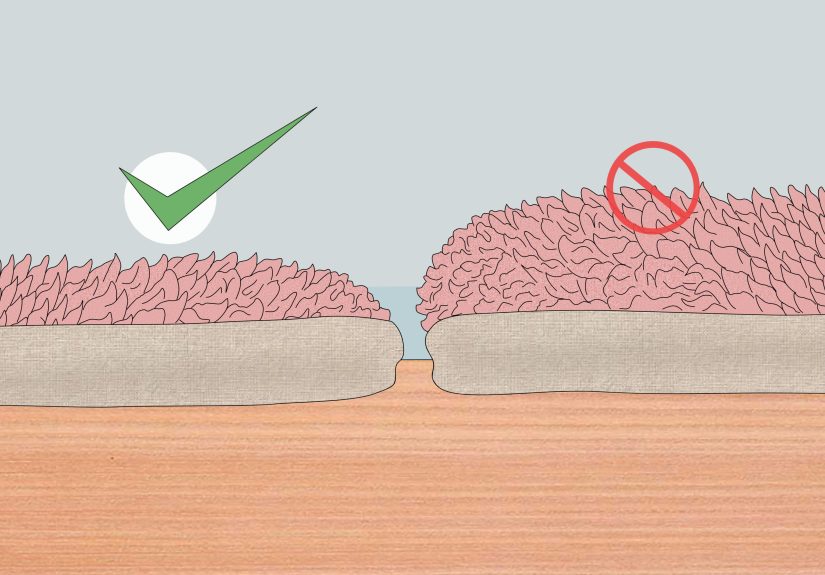
Furniture dents happen when weight presses carpet fibers and padding in the same spot for a long time. The longer that pressure sits there, the more the fibers start to lie flat. Plush and higher-pile carpets tend to show dents more dramatically, while tighter, lower-pile carpets may hide them better. Deep dents can also be more noticeable in rooms where the carpet is older, heavily used, or a little tired from years of foot traffic.
That is why one room may recover beautifully while another keeps the memory of every chair leg like a grudge. In many cases, though, the dent is mostly cosmetic. The pile has been compressed, and your goal is to reintroduce volume and shape without damaging the fibers.
That is also why the best dent-removal methods have the same basic idea: give the fibers a little moisture, a little warmth, and a little encouragement. Think of it as physical therapy for carpet. Very low-stakes physical therapy.
Method 1: Use Ice Cubes for Small to Medium Dents
If you want the classic, low-effort fix, the ice cube method is the crowd favorite. It works best on small to medium furniture dents and is especially handy when you are not in the mood to break out any appliances.
Why the ice cube method works
As the ice melts, the water slowly soaks into the compressed carpet fibers. That moisture helps the pile expand and relax, making it easier to lift the fibers back toward their original shape. Slow melting is the secret sauce here. The gradual moisture gives the dent time to soften instead of getting blasted all at once.
How to do it
- Remove the furniture completely from the dented area.
- Place one ice cube directly in each small dent. For wider dents, use two or three cubes as needed.
- Let the ice melt naturally. This can take several hours, and deep dents may need closer to overnight.
- Blot any remaining moisture with a clean, absorbent towel or sponge.
- Use your fingers, a spoon, or the edge of a coin to gently lift and separate the fibers.
- Finish by vacuuming the area to help the pile stand up and blend with the surrounding carpet.
Best uses for this method
This method is ideal for dents left by chairs, side tables, ottomans, or any furniture that has not compressed the carpet into another dimension. It is also a good first step when you want the least aggressive option.
What to watch out for
Do not soak the carpet excessively. A few cubes are enough. The goal is controlled moisture, not a tiny indoor flood. If your carpet or rug is made from delicate natural fibers, always test carefully and make sure the area dries thoroughly. If the dent is very deep or the carpet fibers are heavily matted, you may need to repeat the process or move on to a heat-based method.
Method 2: Use a Damp Cloth and Iron or Steamer for Deep Dents
If the ice cube method is the gentle nudge, this is the stronger pep talk. For deeper furniture dents, controlled steam or heat can help loosen compressed fibers so they are easier to lift. This method works especially well when the dent has been there for a long time and looks like your carpet has accepted defeat.
Why heat helps
Moisture softens the pile, and warmth helps relax the fibers even more. Once the carpet is slightly softened, you can fluff the fibers upward instead of fighting a flat, stubborn crater. The key word here is controlled. Direct heat on carpet is a terrible idea. That is how you turn a dent problem into a melted-fibers problem.
How to do it with an iron
- Lightly dampen a clean white towel or cotton cloth. Wring it out so it is not dripping.
- Place the cloth over the dented area.
- Set the iron to a medium or medium-high steam setting.
- Move the iron gently over the towel for about 30 to 60 seconds.
- Lift the towel and check the carpet.
- Use your fingers, a spoon, or a soft brush to fluff the pile upward.
- Vacuum the area once it cools and dries a bit.
How to do it with a steamer
If you have a garment steamer or handheld steamer, hold it above the dent instead of pressing it onto the carpet. Add steam gradually, then lift the fibers with your fingers or a spoon. This can be a little more forgiving than an iron because there is less risk of direct contact.
Best uses for this method
Choose this approach for deeper dents from sofas, beds, heavy dressers, or other furniture that has been parked in one spot long enough to pay property taxes.
What to watch out for
Never let the hot iron touch the carpet directly. Synthetic fibers can melt, and natural fibers can scorch. Use a white cloth rather than a colored one so no dye transfers. Go slowly, check your progress often, and avoid over-wetting the area. If you are working on a delicate wool rug, vintage rug, or something expensive enough to make you nervous, use lighter heat or consult a pro.
Method 3: Spray Water, Then Use a Blow Dryer and Spoon or Vacuum
This method is perfect when you want more control than the ice cube trick and less intensity than steam. It is also one of the fastest ways to improve the look of carpet dents before guests arrive, your landlord stops by, or your own eyes just refuse to look at the crater one more minute.
Why this method works
A light mist of water helps loosen the compressed fibers, while the blow dryer adds gentle warmth and airflow. As the fibers dry, you lift and separate them so they regain some body. It is a bit like giving your carpet a salon blowout, except the client does not tip and cannot appreciate your effort.
How to do it
- Vacuum the dent first to remove dust and debris.
- Lightly spritz the dented area with plain water from a spray bottle.
- Set a blow dryer to low or medium heat.
- Hold it a few inches above the carpet and move it back and forth.
- As the area warms and dries, use your fingers or the back of a spoon to fluff the fibers in different directions.
- For extra lift, run the vacuum over the area once the pile starts to rise.
Best uses for this method
This is excellent for medium dents, quick touch-ups, and carpets that respond well to a little moisture and movement. It is also useful when the dent has partly recovered but still looks flatter than the surrounding pile.
What to watch out for
Keep the dryer moving and avoid high heat. You want warmth, not a carpet barbecue. Do not drench the area, and do not rake aggressively with sharp tools. Gentle lifting is enough.
Which Method Is Best for Your Carpet Dent?
If the dent is shallow and recent, start with the ice cube method. It is simple, safe, and often surprisingly effective.
If the dent is deep, old, or left by a heavy piece of furniture, try the damp cloth and iron or steamer method. This gives the fibers the best chance to relax and rebound.
If you want a faster fix or a middle-ground option, the spray water plus blow dryer method is a smart choice. It offers more control and works well for blending the area afterward.
You can also combine methods. For example, use ice overnight for slow rehydration, then finish with a blow dryer and vacuum the next day. Carpet is not offended by teamwork.
Mistakes to Avoid When Removing Carpet Dents
Most failed dent-removal attempts happen for one of three reasons: too much water, too much heat, or too much enthusiasm. A little moisture is helpful. Saturation is not. Gentle heat is useful. Direct scorching heat is not. Lifting the pile with a spoon or fingers is smart. Attacking it like you are digging for treasure is not.
Also, do not expect every dent to disappear completely on the first try. Some carpets bounce back quickly, while others need repeated treatment. If the fibers are permanently crushed from age, wear, or poor-quality padding, you may improve the dent without erasing it entirely. That is not failure. That is just carpet being honest about its life story.
How to Prevent Furniture Dents in Carpet
Once you finally get rid of the dents, you probably do not want to recreate them next month. Prevention is not glamorous, but it is easier than spending another Saturday kneeling on the floor with ice cubes and a spoon.
Use furniture coasters or protectors
Place coasters, cups, or carpet protectors under the legs of heavy furniture. These help distribute weight more evenly so one tiny furniture foot does not become a carpet villain.
Move furniture occasionally
Even shifting a chair or sofa a couple of inches every now and then can prevent long-term compression. Your carpet likes variety almost as much as your living room does.
Vacuum regularly
Clean fibers rebound better than dirty, matted ones. Regular vacuuming keeps the pile from getting weighed down by dust and grit.
Be realistic about carpet style
Very plush or high-pile carpets tend to show marks more easily. If you love that soft, sink-in feel, just know it may also come with a visible memory for furniture placement.
Real-Life Experiences With Removing Furniture Dents From Carpet
One of the most common moments people notice furniture dents is after a room makeover. A family spends the afternoon moving the sectional to the opposite wall, finally hangs the art correctly, and adds a lamp that makes the room look far more expensive than it was. Everything is going great until someone points at the floor and says, “Uh, what are those?” Suddenly the old layout is still there, ghosted into the carpet like a floor-plan fossil.
In many homes, the first instinct is panic mixed with denial. Some people try rubbing the dents with their hands for ten seconds and then decide the carpet is ruined forever. Others immediately start searching for miracle tricks. What usually works best is slowing down and matching the method to the problem. Small dents under dining chairs often respond quickly to the ice cube method because the compressed fibers are not deeply packed down. Homeowners are often surprised that something as ordinary as slow-melting ice can make the carpet look dramatically better by the next morning.
Heavier furniture tends to create more stubborn dents, especially under sofas, beds, and loaded bookshelves. In those situations, people often report that ice helps, but not all the way. That is where controlled heat becomes the difference-maker. A damp towel and steam iron can revive areas that seemed permanently flat. The trick people learn the hard way is that patience matters. Too much heat too fast can create a new problem, while short bursts followed by fluffing tend to work far better.
Another common experience happens in rental homes or apartments right before move-out. You finally remove the furniture and discover the carpet has been preserving the exact outline of your bed frame for two years. This is when the spray bottle and blow dryer method becomes incredibly practical. It is faster than waiting overnight for ice to melt, and it gives you enough control to freshen the fibers in stages. Many people find that combining a little moisture, warm air, and a final pass with the vacuum is enough to make the carpet look noticeably more even.
Households with kids or pets also see an interesting pattern: dents are more visible when the surrounding carpet is already a little flattened from life in general. In those homes, dent removal works best when paired with a good vacuuming first. Once the loose dirt is gone, the fibers have a better chance of lifting. People often assume the dent alone is the problem, when really the whole carpet may just need a bit of revival.
There is also a psychological victory in fixing carpet dents. It is one of those tiny home-maintenance jobs that delivers an oddly satisfying before-and-after. You do not need a contractor, a truckload of supplies, or a weekend workshop. You just need a little moisture, a little patience, and the willingness to crouch on the floor long enough to defeat the evidence of your couch’s former address.
Perhaps the biggest lesson from real-world experience is this: most carpet dents look worse than they are. They seem permanent because they are obvious, not because they are impossible to fix. Once you understand how carpet fibers respond to water, heat, and gentle grooming, the problem becomes much less mysterious. You stop seeing damage and start seeing compression that needs a reset. And once you do that a couple of times, moving furniture gets a lot less intimidating.
Conclusion
Furniture dents in carpet may be annoying, but they are usually fixable. The ice cube method is an easy first step for small dents. The damp cloth and iron or steamer method works well for deeper impressions. And the spray water plus blow dryer method is a fast, flexible option for reviving flattened pile. In most cases, the winning formula is simple: add a little moisture, apply gentle heat when needed, lift the fibers carefully, and finish with a vacuum.
If you want the best long-term results, pair those fixes with prevention. Use furniture protectors, rotate heavy pieces once in a while, and keep the carpet clean so the fibers can spring back more easily. Your carpet may never write you a thank-you note, but it will stop looking like your sofa left a permanent autograph.






 Close
Close