
Table of Contents >> Show >> Hide
- What Is OA and Why Does Daily Care Matter?
- 10 Tips for Daily Living With OA
- 1. Keep Moving, but Choose Joint-Friendly Movement
- 2. Strengthen the Muscles That Support Your Joints
- 3. Use Heat and Cold Like a Daily Comfort Toolkit
- 4. Pace Your Day Instead of Pushing Through Everything
- 5. Protect Your Joints During Everyday Tasks
- 6. Make Your Home OA-Friendly
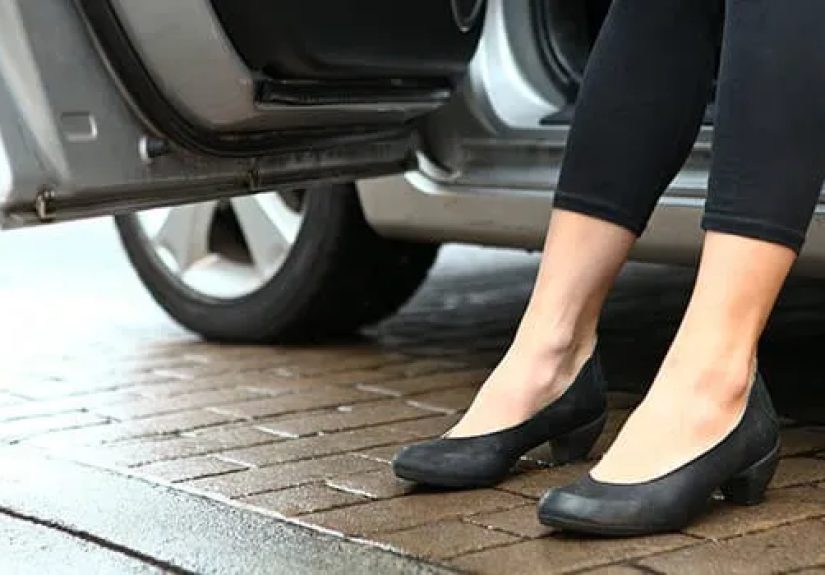
- 7. Wear Supportive Shoes and Consider Braces or Inserts
- 8. Support Joint Health With Balanced Eating and Weight Management
- 9. Plan for Flare-Ups Before They Happen
- 10. Work With Professionals and Keep Learning
- Daily Routine Example for Living With OA
- Common Mistakes to Avoid When Managing OA
- of Real-Life Experience: What Daily Living With OA Can Actually Feel Like
- Conclusion
Living with osteoarthritis, often shortened to OA, can feel like sharing your home with a tiny, grumpy roommate who lives inside your joints and complains whenever you climb stairs, open a jar, stand too long, sit too long, or simply exist before coffee. OA is common, but that does not mean it is “just aging” or something you should ignore. It is a joint condition that can affect cartilage, bone, muscles, ligaments, and the way your body moves through daily life.
The good news? Daily living with OA can become much more manageable when you build smart habits around movement, pacing, joint protection, pain relief, sleep, nutrition, and home setup. You do not need to overhaul your entire life overnight. In fact, please do not. Your joints are not looking for a dramatic movie montage. They usually prefer small, steady changes that make mornings easier, errands less exhausting, and evenings less like a negotiation with your knees.
This guide shares 10 practical, realistic tips for daily living with OA, including specific examples you can use at home, at work, while exercising, and during flare-ups. The goal is simple: help you protect your joints, reduce stiffness, improve mobility, and keep doing more of what matters to you.
What Is OA and Why Does Daily Care Matter?
Osteoarthritis is the most common form of arthritis. It often affects weight-bearing joints such as the knees, hips, and spine, but it can also affect the hands, fingers, neck, feet, and shoulders. Symptoms may include joint pain, stiffness, swelling, reduced range of motion, tenderness, grinding sensations, and difficulty doing everyday activities.
Daily care matters because OA symptoms are often influenced by movement patterns, muscle strength, body mechanics, rest, stress, and the environment around you. While no single lifestyle habit magically erases OA, a consistent self-care plan can help reduce pain, support joint function, and improve quality of life. Think of it as giving your joints a better workplace. Better tools, fewer unreasonable demands, and scheduled breaks. Honestly, joints may be the original labor union.
10 Tips for Daily Living With OA
1. Keep Moving, but Choose Joint-Friendly Movement
When OA hurts, the instinct may be to move less. That is understandable. Nobody wakes up with stiff knees and thinks, “Wonderful, let’s celebrate with lunges.” But gentle, regular movement is one of the most helpful habits for osteoarthritis. Movement helps maintain flexibility, strengthens muscles around joints, supports balance, and can reduce stiffness.
The key is choosing joint-friendly activities. Low-impact exercise is usually easier on OA-affected joints than high-impact workouts. Good options include walking on even surfaces, cycling, swimming, water aerobics, tai chi, gentle yoga, and low-impact aerobics. If your knees or hips complain during jogging or jumping, they are not being dramatic; they are sending a memo. Listen to the memo.
A practical goal is to build movement into the day in small pieces. Try a 10-minute walk after breakfast, gentle stretching during a TV break, or five minutes of range-of-motion exercises before bed. If you are new to exercise or returning after a flare, start slowly and increase gradually. Your body likes progress, not surprise attacks.
2. Strengthen the Muscles That Support Your Joints
Strong muscles act like helpful assistants for your joints. They absorb some of the load, improve stability, and make daily activities such as standing from a chair, carrying groceries, climbing stairs, or opening doors less stressful. For knee OA, strengthening the hips, thighs, and core can be especially useful. For hand OA, gentle hand and wrist exercises may help maintain function and flexibility.
Strength training does not have to mean heavy weights or intimidating gym equipment. Resistance bands, light dumbbells, body-weight movements, seated exercises, wall push-ups, heel raises, and gentle isometric exercises can all be part of a joint-friendly routine. For example, someone with knee OA might practice slow sit-to-stand movements from a sturdy chair. Someone with hand OA might work on gentle fist opening, finger lifts, or thumb bends.
Good form matters more than doing a lot. If an exercise causes sharp pain, stop and adjust. Mild muscle effort is normal; joint pain that feels sharp, sudden, or worsening is not a badge of honor. It is your body saying, “Please revise the plan.” A physical therapist can help create a safe program tailored to your joints, strength level, and goals.
3. Use Heat and Cold Like a Daily Comfort Toolkit
Heat and cold therapy are simple, affordable tools for daily living with OA. Heat can relax tight muscles and ease stiffness, especially in the morning or before activity. A warm shower, heating pad, warm towel, or warm bath can help joints feel more cooperative. Cold therapy can help calm swelling or soreness after activity. A cold pack wrapped in a towel may be useful when a joint feels irritated.
Here is a simple way to remember it: heat helps you get moving; cold helps you cool things down. If your hands feel stiff in the morning, warm water may help loosen them before buttoning a shirt or making breakfast. If your knee feels cranky after a long walk, a cold pack may help reduce discomfort.
Always protect your skin. Do not place heat or ice directly on bare skin, and avoid extreme temperatures. A typical session may last about 15 to 20 minutes, but comfort and safety come first. If you have circulation problems, reduced sensation, diabetes-related nerve issues, or other medical concerns, ask a healthcare professional how to use heat and cold safely.
4. Pace Your Day Instead of Pushing Through Everything
Pacing is one of the most underrated OA management skills. It means balancing activity and rest so you can get things done without setting off a flare. Many people accidentally follow the “boom and bust” cycle: do everything on a good day, overdo it, hurt for two days, repeat. This is not a productivity system. It is joint chaos wearing a calendar.
Try spreading tasks throughout the day or week. Instead of cleaning the entire kitchen at once, wipe counters in the morning, load the dishwasher after lunch, and mop later or the next day. When shopping, choose smaller trips, use delivery for heavy items, or ask for help carrying bags. During yard work, alternate bending tasks with standing tasks and take short breaks before pain spikes.
A helpful rule is to rest before you are exhausted. That may feel strange at first, especially if you are used to powering through. But strategic breaks can prevent pain from snowballing. Set a timer if needed. Your joints may appreciate the reminder more than your phone appreciates another notification.
5. Protect Your Joints During Everyday Tasks
Joint protection is not about becoming fragile. It is about using your body wisely. Small changes in how you lift, grip, carry, sit, and stand can reduce stress on painful joints. For hand OA, use larger joints when possible. Carry a bag over your shoulder instead of gripping it tightly with your fingers. Use two hands to lift a pot. Choose pens, toothbrushes, kitchen tools, and garden tools with larger, cushioned handles.
For hip, knee, or spine OA, pay attention to posture and body mechanics. Bend at the knees and hips when lifting, keep objects close to your body, and avoid twisting while carrying something heavy. Use a cart instead of carrying laundry baskets across the house like you are training for the Domestic Olympics.
In the kitchen, consider jar openers, electric can openers, lightweight cookware, rocker knives, nonslip mats, and easy-grip utensils. In the bathroom, grab bars, a shower chair, a handheld showerhead, and a raised toilet seat may make routines safer and less painful. These tools are not “giving in.” They are upgrades. Nobody calls a dishwasher a moral failure, and nobody should call a jar opener one either.
6. Make Your Home OA-Friendly
Your home should help you, not create a daily obstacle course. An OA-friendly home reduces unnecessary bending, reaching, climbing, gripping, and tripping risks. Start by noticing the tasks that repeatedly cause pain. Is it getting shoes from the floor? Reaching for plates on a high shelf? Climbing stairs for laundry? Standing too long while cooking?
Place frequently used items at waist-to-shoulder height. Store heavy pans on easy-access shelves. Use a rolling cart for laundry or groceries. Keep a chair or stool in the kitchen so you can sit while chopping vegetables or waiting for water to boil. Add good lighting in hallways and remove loose rugs or clutter that may increase fall risk.
For bedroom comfort, consider supportive pillows that keep painful joints aligned. If getting in and out of bed is difficult, check whether the bed height works for you. A bed that is too low can make standing harder, while one that is too high can strain hips and knees. Tiny changes can make a big difference, especially when repeated every single day.
7. Wear Supportive Shoes and Consider Braces or Inserts
Feet are the foundation for many daily movements. Unsupportive shoes can affect ankles, knees, hips, and the lower back. If you have OA in the knees, hips, feet, or spine, comfortable supportive footwear may help reduce stress during walking and standing. Look for shoes with cushioning, stability, a secure fit, and enough room for your toes.
Avoid shoes that make you wobble, squeeze, or land hard on every step. This does not mean your shoes must be boring enough to attend a tax seminar. Many supportive shoes now look stylish, but function should win over fashion when pain is the opponent.
Some people benefit from shoe inserts, braces, splints, or assistive walking devices such as a cane. A knee brace may help some people feel more stable. A hand splint may support painful thumb or finger joints during certain tasks. A cane, when fitted and used correctly, can reduce load on a painful hip or knee. Ask a healthcare professional, physical therapist, or occupational therapist for guidance so the device fits your body and your needs.
8. Support Joint Health With Balanced Eating and Weight Management
Food cannot cure OA, but a balanced eating pattern can support overall health, energy, and weight management. For people with OA in weight-bearing joints, excess body weight can add stress to knees, hips, feet, and the spine. Even modest weight changes may reduce pressure on joints and make movement easier for some people.
The focus should be nourishment, not punishment. A joint-supportive plate often includes vegetables, fruits, beans, whole grains, nuts, seeds, lean proteins, and fish rich in omega-3 fats. These foods support general health and may fit well into an anti-inflammatory-style eating pattern. Limit highly processed foods when you can, but do not turn meals into a courtroom drama. Consistency matters more than perfection.
Simple examples help: oatmeal with berries and walnuts for breakfast, a turkey or hummus wrap with vegetables for lunch, salmon or beans with brown rice and roasted vegetables for dinner, and fruit or yogurt for snacks. Hydration matters too. Water keeps your body functioning well, and it is far less suspicious than your third soda pretending to be a personality trait.
9. Plan for Flare-Ups Before They Happen
OA symptoms can vary from day to day. A flare-up may bring more pain, stiffness, swelling, or fatigue. Planning ahead can make flare days less disruptive. Your flare-up plan might include gentle range-of-motion movement, heat or cold therapy, simpler meals, comfortable clothing, fewer errands, and permission to reschedule nonurgent tasks.
Keep useful items easy to reach: pain-relief creams approved by your healthcare professional, cold packs, heating pads, supportive shoes, braces, a water bottle, and simple meal options. If medication is part of your care plan, use it only as directed by your clinician or pharmacist. Over-the-counter pain relievers can help some people, but they are not right for everyone, especially people with certain stomach, kidney, heart, blood pressure, or medication-interaction concerns.
It is also useful to track patterns. Did pain increase after a long car ride, poor sleep, heavy lifting, cold weather, or a new workout? A simple symptom journal can reveal triggers and help you make better choices. You do not need a fancy app. A notebook works. So does a notes file titled “Why Is My Knee Being Weird?”
10. Work With Professionals and Keep Learning
Daily living with OA becomes easier when you have the right support. A primary care clinician, rheumatologist, orthopedist, physical therapist, occupational therapist, pharmacist, dietitian, or mental health professional may be part of your care team. Each can help with a different piece of the puzzle.
A physical therapist can guide safe exercises, improve strength, and teach movement strategies. An occupational therapist can recommend adaptive tools for dressing, cooking, bathing, working, and hobbies. A clinician can discuss medications, injections, imaging, or surgical options when appropriate. If OA affects mood, sleep, or independence, mental health support can be valuable too. Chronic pain is not just a joint issue; it can be emotionally exhausting.
Learning about OA also helps you avoid fear-based decisions. Pain does not always mean damage is happening, but new, severe, worsening, or unusual symptoms should be checked. Seek medical advice if you have sudden swelling, redness, warmth, fever, unexplained weight loss, severe pain after an injury, inability to bear weight, or symptoms that do not improve with your usual plan.
Daily Routine Example for Living With OA
A realistic OA-friendly day does not need to look like a wellness influencer’s color-coded schedule. It can be simple. In the morning, use warmth to ease stiffness, then do a few gentle range-of-motion movements. Choose supportive shoes before walking the dog or heading to work. During the day, alternate sitting and standing, use ergonomic tools, and take short movement breaks. In the afternoon, pace errands and avoid carrying heavy bags in one hand. In the evening, do light stretching, prepare easy meals, and use cold therapy if a joint feels irritated.
The point is not to make OA the center of your life. The point is to build habits that make OA less bossy. When your routines protect your joints automatically, you spend less energy negotiating with pain and more energy living your actual life.
Common Mistakes to Avoid When Managing OA
Doing Too Much on “Good Joint” Days
Good days are wonderful, but they can trick you into doing three days of chores in one afternoon. Enjoy the better day, but pace yourself. Future You deserves kindness too.
Avoiding All Movement
Rest has a place, especially during flares, but complete inactivity can increase stiffness and weakness. Gentle movement usually supports better function over time.
Ignoring Pain Signals
Some discomfort during new activity may be normal, but sharp, severe, or worsening pain is a sign to stop and reassess. Exercise should challenge your muscles, not bully your joints.
Using Tools Only After Pain Gets Bad
Assistive devices work best when they prevent strain, not just rescue you after a task becomes miserable. Use the jar opener before your thumb files a complaint.
of Real-Life Experience: What Daily Living With OA Can Actually Feel Like
Daily living with OA is often less about one dramatic moment and more about dozens of tiny decisions. It is choosing the parking spot that is close enough to save your knees but far enough that you still get a little movement. It is learning that the “quick trip” to the grocery store is never quick if you forget the cart and decide to carry everything like a heroic but poorly planned contestant on a shopping game show.
One of the biggest lessons many people with OA learn is that preparation beats willpower. Willpower says, “I can carry this heavy laundry basket upstairs.” Preparation says, “Use a smaller basket, take two trips, or keep a second laundry setup downstairs.” Willpower often ends with a sore back and a suspicious glare at the staircase. Preparation usually ends with more energy left for the rest of the day.
Mornings can be especially telling. Some people wake up stiff and need time before their joints feel ready for action. Instead of jumping out of bed and immediately tackling the day, it may help to build a gentle launch sequence: ankle circles, hand opening and closing, shoulder rolls, a warm shower, comfortable shoes, and breakfast that does not require wrestling with impossible packaging. The day starts better when your joints are invited politely instead of dragged into service.
Cooking with OA can also become a masterclass in adaptation. Pre-chopped vegetables, lightweight pans, electric openers, silicone grips, and anti-fatigue mats can turn dinner from a painful production into a manageable routine. Sitting while prepping ingredients is not lazy. It is efficient. Professional chefs have prep stations; people with OA can have them too. The only difference is that yours may include a heating pad and a strong opinion about jar lids.
Workdays bring their own challenges. Sitting too long can make hips, knees, or the spine stiff, while standing too long can increase pain. A timer for movement breaks can help. So can adjusting chair height, using a footrest, keeping frequently used items within reach, and changing positions before discomfort becomes loud. The trick is to move before your body starts sending strongly worded emails.
Emotionally, OA can be frustrating because symptoms may not match your plans. You may feel fine on Monday and stiff on Tuesday. You may do everything “right” and still have a flare. That unpredictability can be discouraging. But it also makes self-compassion important. Managing OA is not about perfect control. It is about building a flexible toolkit: movement, rest, heat, cold, pacing, supportive devices, good shoes, better planning, and medical guidance when needed.
Over time, many people find that the small changes become second nature. The cane is not a defeat; it is a way to enjoy the museum longer. The brace is not a weakness; it is support. The shorter walk is not failure; it is consistency. The frozen vegetables used as an ice pack may be a little undignified, but they are doing honest work. Daily life with OA can still include independence, humor, hobbies, travel, family time, and satisfying routines. The goal is not to pretend OA is easy. The goal is to make life bigger than the pain.
Conclusion
Daily living with OA is a long game, and the best strategy is usually a mix of smart movement, joint protection, pacing, supportive tools, balanced nutrition, symptom tracking, and professional guidance. You do not have to change everything at once. Start with one habit that solves a real daily problem. Maybe it is warming up before walking, using a jar opener, switching to supportive shoes, or taking breaks before pain takes over the microphone.
Osteoarthritis may be part of your life, but it does not get to write the whole story. With practical routines and a little creativity, you can reduce strain, protect your joints, and keep moving through your day with more comfort and confidence. And if your joints still complain occasionally? Fine. Let them complain. You have plans.





 Close
Close