
Table of Contents >> Show >> Hide
- When Crown Molding Works Best (and When It’s Okay to Skip It)
- Planning Your Crown Molding Like a Pro (Without Becoming One)
- 14 Creative Crown Molding Ideas to Add More Charm
- Idea #1: Go Oversized for Instant “Historic Home” Energy
- Idea #2: Choose a Clean-Lined Cove or Shadow-Line for a Modern Look
- Idea #3: Color-Drench the Crown (Walls, Trim, and Ceiling in One Shade)
- Idea #4: Use Crown as a Bold “Frame” with High-Contrast Color
- Idea #5: Build Up a Custom Look with Stacked (Layered) Crown
- Idea #6: Add a Thin “Backband” Strip Above the Crown for Extra Shadow
- Idea #7: Pair Crown Molding with a Picture Rail for Old-School Charm
- Idea #8: Extend Crown Molding onto Built-Ins and Fireplaces
- Idea #9: Finish Kitchen Cabinets to the Ceiling with Cabinet Crown
- Idea #10: Add Hidden LED Cove Lighting for a Soft, High-End Glow
- Idea #11: Use Crown to “Finish” a Wallpaper or Mural Moment
- Idea #12: Crown Molding Inside Bookcases, Niches, and Open Shelving
- Idea #13: Make Vaulted, Tray, or Coffered Ceilings Look Intentional with Trim
- Idea #14: Bring Warmth with Stained Wood Crown (or a Faux Wood Finish)
- Common Crown Molding Mistakes (So You Can Avoid the Greatest Hits)
- Real-World Experiences and Lessons From Crown Molding Projects (About )
- Conclusion: The Charm Is in the Details
Crown molding is basically the eyeliner of a room: subtle when done right, dramatic when you want it, and painfully obvious when it’s uneven.
It’s one of the quickest ways to make walls look taller, ceilings look finished, and “builder basic” look like it has a personal stylist.
But crown molding isn’t just “white trim at the top.” Today’s ceiling trim can be clean and modern, layered and traditional, color-drenched and bold,
or sneaky (hello, hidden LED lighting). Below are 14 creative crown molding ideasplus practical planning tipsso your next upgrade feels charming,
intentional, and not like a weekend project that turned into a personal feud with your miter saw.
When Crown Molding Works Best (and When It’s Okay to Skip It)
Crown molding shines when you want to add architectural detail, create a polished transition from wall to ceiling, or “frame” the room the way
a good mat frames artwork. It’s especially helpful in rooms with plain drywall ceilings, older homes with lots of millwork, or spaces where trim
can visually tie everything together.
It’s also okay to skip crown molding if your style is ultra-minimal and your home has little to no trim elsewhere. In that case, choose a simple
profile (or a shadow-line look) so the molding feels modern instead of costume-y. The goal is harmony, not “I bought fancy trim and now every room
must bow down to it.”
Planning Your Crown Molding Like a Pro (Without Becoming One)
1) Pick the right scale for your ceiling height
Bigger rooms and taller ceilings can handle a larger crown profile; smaller rooms usually look best with a simpler, slimmer shape. If you go too small
in a tall room, it can feel like the trim is whispering when the ceiling is screaming. If you go too large in a low room, the molding can look heavy.
2) Choose a material that fits the room (and your patience)
- Paint-grade wood: classic, sturdy, and forgiving if you know what you’re doing.
- MDF: budget-friendly and smooth for paint; not ideal for wet areas.
- Polyurethane/PVC: great for bathrooms, laundry rooms, and anywhere humidity likes to cause drama.
- Foam options: lightweight and DIY-friendly for simple profiles and smaller spaces.
3) Decide your finish strategy before you install
Paint is the most common route because it’s cohesive with other trim. Stain can be gorgeous for a warm, natural look, but it demands cleaner cuts and
more careful planning. If your baseboards and casings are painted, stained crown can feel “random” unless it’s part of a broader wood-forward design.
4) Know the two joints that make or break the look
Inside corners are where crown molding projects earn their reputation. Many pros prefer coped joints for inside corners because they
can handle slightly imperfect walls and ceilings. Miters can look great, but they’re less forgiving if your corners aren’t perfectly square (spoiler:
they usually aren’t).
14 Creative Crown Molding Ideas to Add More Charm
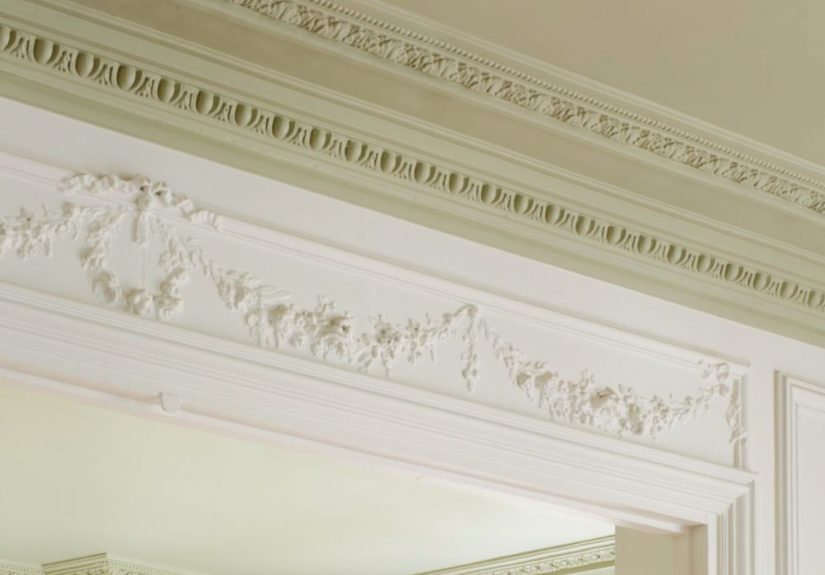
Idea #1: Go Oversized for Instant “Historic Home” Energy
If you have higher ceilings, oversized crown molding adds drama in the best way. It creates a strong visual cap at the top of the room, like a tailored
jacket on a well-dressed space. Pair it with substantial baseboards or wainscoting so the trim package feels balanced.
Best for: living rooms, dining rooms, primary bedrooms, foyers.
Idea #2: Choose a Clean-Lined Cove or Shadow-Line for a Modern Look
Modern crown molding doesn’t need ornate scrolls. A simple cove profile or a crisp “shadow line” effect can soften the wall-to-ceiling transition
while keeping the vibe sleek. If you love minimal interiors, this is how you get polish without going full Victorian ballroom.
Pro tip: keep the profile shallow and the paint finish consistent with the room’s trim style.
Idea #3: Color-Drench the Crown (Walls, Trim, and Ceiling in One Shade)
Painting crown molding the same color as the wall (and sometimes the ceiling) can make a room feel bigger, calmer, and surprisingly high-end. Instead of
drawing a hard line at the ceiling, the color flows upward, which is especially flattering in smaller rooms.
Best for: offices, powder rooms, cozy bedrooms, libraries, moody dens.
Idea #4: Use Crown as a Bold “Frame” with High-Contrast Color
Want charm with a wink? Paint your crown molding in a contrasting color to outline the ceiling like a picture frame. This trick pulls the eye upward and
can make ceilings feel tallerplus it’s a great way to introduce an accent color without committing to an entire wall.
Example: warm white walls + a soft sage crown, or pale blue walls + crisp white crown for classic freshness.
Idea #5: Build Up a Custom Look with Stacked (Layered) Crown
Stacked crown molding uses multiple pieceslike a crown profile plus a flat stock or small trimto create a richer, more tailored cornice.
It’s a favorite in homes with traditional millwork because it looks custom even when you’re using standard components.
Best for: large rooms, formal spaces, kitchens with tall ceilings.
Idea #6: Add a Thin “Backband” Strip Above the Crown for Extra Shadow
A simple flat strip above the crown creates a clean shadow line that reads as intentional detail. It’s subtle, affordable, and surprisingly effective
like upgrading from basic to premium without telling your budget.
Why it works: the extra layer adds depth, so the crown looks more architectural.
Idea #7: Pair Crown Molding with a Picture Rail for Old-School Charm
If you love classic homes, a picture rail below the crown molding creates a layered, gallery-like feeland it can also be functional for hanging art
with hooks and cord. The combo looks especially great in dining rooms, hallways, and living rooms with higher ceilings.
Style note: leave enough space between crown and rail so it doesn’t feel cramped.
Idea #8: Extend Crown Molding onto Built-Ins and Fireplaces
One of the most “designer” moves is continuity: run crown molding across a wall and carry it over built-in bookcases, cabinets, or a fireplace surround.
This makes the entire wall read as one cohesive architectural moment instead of separate parts doing their own thing.
Best for: living rooms, studies, media rooms, dining rooms with buffets or hutches.
Idea #9: Finish Kitchen Cabinets to the Ceiling with Cabinet Crown
If your cabinets stop short of the ceiling, crown molding can hide the awkward gap and make the kitchen look taller and more custom. You can keep it simple
(one clean profile) or go stacked for a furniture-grade look.
Practical bonus: closing that top gap reduces the “dust shelf” effect above cabinets.
Idea #10: Add Hidden LED Cove Lighting for a Soft, High-End Glow
Want crown molding that multitasks? Install it slightly below the ceiling (or use a cove-style profile) to hide LED strip lighting. The result is indirect
light that feels warm and expensiveperfect for bedrooms, media rooms, and anywhere you want ambiance without harsh overhead glare.
Where it shines: home theaters, primary suites, modern living spaces, tray ceilings.
Idea #11: Use Crown to “Finish” a Wallpaper or Mural Moment
Bold wallpaper looks better when it has a clean stopping point. Crown molding creates a crisp border at the top of a patterned wall, making the whole
design feel intentional instead of like the print simply wandered upward and got lost.
Try this: crown + a coordinating chair rail or wainscoting for a classic, layered look.
Idea #12: Crown Molding Inside Bookcases, Niches, and Open Shelving
Crown molding doesn’t have to live only at the ceiling. Adding small-scale crown inside built-ins or at the top of open shelving gives furniture-like
character. It’s a detail people notice without being able to explain why the room feels “finished.”
Best for: kitchens with open shelves, living room built-ins, mudroom cubbies.
Idea #13: Make Vaulted, Tray, or Coffered Ceilings Look Intentional with Trim
Specialty ceilings are prime real estate for crown molding. On tray ceilings, crown can outline the step-up and emphasize height. On coffered ceilings,
trim defines the grid and makes the ceiling feel crafted. For vaulted ceilings, thoughtful returns and transitions keep the trim from looking “stuck on.”
Design goal: use molding to clarify the architecture, not clutter it.
Idea #14: Bring Warmth with Stained Wood Crown (or a Faux Wood Finish)
Painted crown is classic, but stained wood can add warmth and a subtle rustic edgeespecially in spaces with beams, wood floors, or natural textures.
If you love the look but don’t want the commitment, a faux wood finish on a paint-grade molding can deliver character without reworking the whole trim plan.
Best for: dens, cabins, modern farmhouses, cozy great rooms, craft-inspired interiors.
Common Crown Molding Mistakes (So You Can Avoid the Greatest Hits)
- Going too small: tiny crown in a tall room can disappear and feel underwhelming.
- Ignoring corner reality: most corners aren’t perfectly squareplan for scribing/coping or careful fitting.
- Not finding solid backing: crown needs secure fastening; locate studs/ceiling joists or add nailers where needed.
- Over-caulking: caulk should refine, not sculpt. If you’re “caulk-building,” something upstream needs adjusting.
- Mismatched trim styles: ornate crown with ultra-modern baseboards can feel like two different houses arguing.
Real-World Experiences and Lessons From Crown Molding Projects (About )
If you talk to enough DIYers and homeowners, crown molding has a funny reputation: it’s either “shockingly satisfying” or “the weekend I learned new words.”
In real homes, the biggest surprise is rarely the molding itselfit’s the room. Walls aren’t perfectly straight. Ceilings wave a little. Corners flirt with
89 degrees, then ghost you at 92. Crown molding doesn’t cause those problems; it simply reveals them like a bright bathroom mirror.
One of the most common lessons is that prep beats panic. People who measure carefully, mark stud locations, and dry-fit pieces tend to end the
day feeling like capable adults. People who “eyeball it” often meet their destiny at the inside corner. If you’re DIY-ing, it also helps to treat your first
room as a learning lab. A laundry room or small hallway is a great place to practice before you take crown molding into the formal dining room where everyone
will stare at it during holidays.
Another consistent real-world takeaway: paint choices change everything. Homeowners often expect crown molding to automatically look upscale, but
the finish is what sells it. A crisp paint line and a sheen that complements the room make even simple MDF look tailored. On the other hand, mismatched whites
(one creamy, one stark) can make the trim look accidental. Many people also report that painting the crown and ceiling the same color can instantly calm a busy
room, while a contrast color can make a plain space feel designedso the “right” answer depends on whether you want the trim to whisper or announce itself.
In kitchens, the lived experience is that cabinet crown is less about decoration and more about making the room feel finished. When cabinets stop
short of the ceiling, that empty strip can read as unfinishedeven if you never noticed it before someone pointed it out. Adding cabinet crown (especially stacked)
is one of those upgrades that makes guests assume you remodeled more than you did. And if you’ve ever cleaned greasy dust off the top of cabinets, you’ll appreciate
any detail that reduces the “mystery shelf” effect up there.
Finally, homeowners who love the result usually share one last lesson: crown molding looks best when it’s part of a trim story. It doesn’t have to be
fancy, but it should relate to the rest of the millworkbaseboards, casings, built-ins, or even ceiling details like beams. When the trim package feels cohesive, the
crown molding reads as architecture. When it’s random, it reads as a last-minute accessory. And your room deserves better than last-minute accessories.
Conclusion: The Charm Is in the Details
Crown molding is one of those rare home upgrades that can be subtle or dramatic, classic or modern, and budget-friendly or custom-lookingdepending on the profile,
placement, and paint plan you choose. Whether you stack trim for a grand cornice, add LED cove lighting for a soft glow, or color-drench the molding for a modern
cocoon effect, the best crown molding idea is the one that fits your home’s architecture and your room’s personality.







 Close
Close