
Table of Contents >> Show >> Hide
- Why Water Animation Hits So Hard
- 21 Anime That Absolutely Nail Water
- 1) Ponyo (Film)
- 2) Children of the Sea (Film)
- 3) Ride Your Wave (Film)
- 4) Lu Over the Wall (Film)
- 5) The Aquatope on White Sand (Series)
- 6) Nagi-Asu: A Lull in the Sea (Series)
- 7) Aria the Animation (Series)
- 8) Amanchu! (Series)
- 9) Tsuritama (Series)
- 10) Free! (Series)
- 11) The Garden of Words (Film)
- 12) Weathering With You (Film)
- 13) Bubble (Film)
- 14) Drifting Home (Film)
- 15) Penguin Highway (Film)
- 16) Demon Slayer: Kimetsu no Yaiba (Series)
- 17) Spirited Away (Film)
- 18) Blue Submarine No. 6 (OVA/Series)
- 19) Nadia: The Secret of Blue Water (Series)
- 20) Josee, the Tiger and the Fish (Film)
- 21) Ghost in the Shell (1995) (Film)
- How to Watch These Like a Water-Animation Nerd (In a Good Way)
- Viewer Experiences: What This Kind of Water Animation Feels Like (And Why It Sticks)
- Conclusion
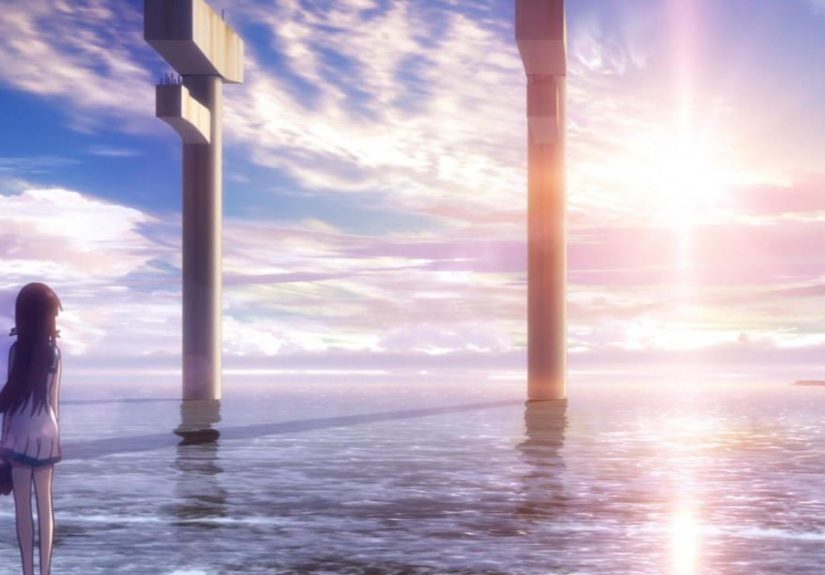
Water in animation is the ultimate “looks easy until you try it” flex. It has weight, transparency, reflections, foam,
bubbles, ripples, refraction, and that one cruel trick where it looks different every time you blink. And yet, certain
anime make water feel so real (or so beautifully stylized) that you can practically hear the splash through your screen.
This list is for the people who pause scenes to admire a single ripple. For the folks who notice the way light bends
underwater. For anyone who’s ever thought, “Why does this puddle look like it deserves an award?”
Why Water Animation Hits So Hard
Great water animation isn’t just “pretty.” It’s visual storytelling. Calm water can make a scene feel safe, reflective,
and intimate. Choppy water can crank tension without a single line of dialogue. Rain can turn a city into a mood board.
Underwater scenes can feel like another planetquiet, heavy, and weirdly emotional.
The best studios and artists combine craft and clever cheats: layered effects, hand-drawn splashes over digital movement,
sparkling highlights, and color choices that make water feel warm, cold, or downright mystical. Sometimes it’s hyper-real.
Sometimes it’s stylized. Either way, if you’re watching and thinking, “Okay, that wave had feelings,” you’re in the right place.
21 Anime That Absolutely Nail Water
You’ll find ocean epics, rain-soaked romances, underwater worlds, and action shows where water becomes a living brushstroke.
Some picks are films (where the budget can go full “paint the universe”), and others are series that somehow keep the quality
flowing week after week.
1) Ponyo (Film)
If you’ve ever wanted the ocean to look like it was drawn by a watercolor wizard with unlimited caffeine, Ponyo is it.
The sea feels alivewaves curl with personality, foam dances, and water behaves like a character instead of a background.
It’s playful, hand-crafted, and instantly recognizable.
2) Children of the Sea (Film)
Children of the Sea is a full-on ocean fever dream. From shimmering surfaces to deep-sea darkness, the water visuals are
dense with detailfloating particles, layered light, and underwater motion that feels heavy and sacred. This is the kind of
animation that makes you whisper “how” out loud.
3) Ride Your Wave (Film)
Water here is romantic, wild, and expressiveperfect for a story where the sea is more than scenery. Expect lively waves,
stylized splashes, and surf sequences that feel energetic rather than “physics homework.” It’s emotional water animation:
the kind that matches the heartbeat of the story.
4) Lu Over the Wall (Film)
Bright, bouncy, and packed with motion, Lu Over the Wall treats water like a playground. The waves pop with stylized energy,
and the animation leans into rhythmlike the ocean is keeping time with the music. It’s a reminder that “stunning” doesn’t
always mean “realistic.”
5) The Aquatope on White Sand (Series)
Aquariums are basically water animation on hard mode: glass reflections, tank lighting, and fish gliding through layers of
depth. The Aquatope on White Sand makes aquatic spaces feel luminous and lived-in, with watery light and gentle movement
that fits its heartfelt tone.
6) Nagi-Asu: A Lull in the Sea (Series)
Underwater civilization? Yes. Gorgeous ocean color palettes? Absolutely. Nagi-Asu delivers watery environments that feel
soft and immersiveglowing blues, drifting particles, and underwater lighting that makes characters look like they’re moving
through a dream. The sea isn’t a setting; it’s a whole atmosphere.
7) Aria the Animation (Series)
Calm canal water can be just as impressive as crashing wavessometimes more, because it has to stay interesting without
shouting. Aria captures reflective surfaces, gentle ripples, and that slow-moving sparkle that makes you want to breathe
deeper and stop checking your phone.
8) Amanchu! (Series)
Diving means underwater motion has to feel weighty and quiet, not floaty and fake. Amanchu! delivers a soothing kind of
water beautyclear blues, drifting bubbles, and underwater scenes that feel like a slow exhale. It’s cozy water animation
with a side of wonder.
9) Tsuritama (Series)
Fishing, coastal life, and a bright, playful visual style make Tsuritama a sneaky pick for water lovers. The ocean scenes
have charm and clarity, with light reflecting off the surface in a way that feels sunny and alive. It’s the vibe of a seaside
town bottled into animation.
10) Free! (Series)
Swimming animation lives or dies by water detail: splashes, trails, droplets, and the way bodies slice the surface. Free!
is famously water-obsessedin the best waywith dynamic pool sequences and sparkling surfaces that make chlorine look cinematic.
It’s basically a luxury commercial for H2O.
11) The Garden of Words (Film)
Rain animation doesn’t have to be loud to be jaw-dropping. The Garden of Words turns rainfall into a visual language:
layered droplets, puddle ripples, wet reflections, and that misty “everything is damp and emotional” glow. If rain had a
fashion line, this movie is the runway.
12) Weathering With You (Film)
This film goes big on water: skies cracking open, rainfall that feels endless, and flooded cityscapes that look hauntingly
beautiful. The animation makes water feel massive and unstoppable, while still keeping tiny detailsripples, sheen, reflections
sharp enough to admire mid-scene.
13) Bubble (Film)
When a story revolves around strange “bubble” phenomena and a water-heavy cityscape, the animation has to sell the concept.
Bubble delivers slick, modern visuals with fluid movement, airborne droplets, and watery effects that feel kineticlike
gravity took a day off and water decided to do parkour.
14) Drifting Home (Film)
A drifting apartment building surrounded by ocean is a recipe for moody, reflective water scenesand Drifting Home leans in.
Expect rainy atmosphere, rolling waves, and a sense of scale that makes the sea feel both beautiful and intimidating. It’s
water as a vast, emotional unknown.
15) Penguin Highway (Film)
This one earns its spot thanks to a memorable, surreal water presence that feels impossible in the best way. The animation
captures the texture and motion of water while keeping a slightly storybook vibelike reality is obeying physics, but only
because it’s being polite.
16) Demon Slayer: Kimetsu no Yaiba (Series)
Even when water is stylized into sword techniques, it can still feel astonishingly fluid. Demon Slayer uses swirling,
wave-like motion and layered effects that make “water” look like living calligraphy in motion. It’s not realismit’s artistry,
and it’s ridiculously satisfying to watch.
17) Spirited Away (Film)
The bathhouse setting gives this film endless chances to animate water in different formssteaming, splashing, flowing,
cleansing. From river imagery to baths to rain-soaked moments, Spirited Away proves water can feel magical, comforting,
and unsettling all in the same scene.
18) Blue Submarine No. 6 (OVA/Series)
Underwater action asks for convincing motion, pressure, and atmosphere. Blue Submarine No. 6 blends underwater visuals with
a distinct style that emphasizes depth and movement. You get currents, bubbles, and that sense of being submergedwhere
everything looks a little heavier and more intense.
19) Nadia: The Secret of Blue Water (Series)
A classic adventure that spends plenty of time around (and under) the sea, Nadia delivers ocean imagery with an old-school
charm. The water animation supports exploration, ships, and underwater mysteryless about ultra-detail, more about creating
a sense of wonder and motion that carries the story forward.
20) Josee, the Tiger and the Fish (Film)
Aquatic imagery here is emotional, not just decorative. Between aquarium scenes and ocean moments, Josee uses water as a
symbol for freedom, distance, and possibilitypaired with gentle animation that makes underwater scenes feel soft, luminous,
and quietly impactful.
21) Ghost in the Shell (1995) (Film)
Rain, reflections, and city water are a cyberpunk signatureand this film uses them like poetry. Ghost in the Shell turns
wet streets and falling rain into atmosphere you can practically taste. The water imagery isn’t just pretty; it reinforces
the film’s themes of identity, depth, and the “surface vs. what’s underneath.”
How to Watch These Like a Water-Animation Nerd (In a Good Way)
If you want the full experience, don’t just “watch the story.” Watch the water. Here’s how to turn a casual viewing into a
mini animation appreciation eventno fancy degree required.
First: give your screen a fighting chance. Water animation lives in subtle gradients and tiny highlights. If you can, watch
in the highest quality available, turn off aggressive motion smoothing, and dim harsh room lights. You’re not being dramatic;
you’re being respectful to the ripple budget.
Next: pick a “water detail” to track for each title. For rain-heavy films like The Garden of Words, follow how droplets hit
different surfacesleaves, pavement, umbrellasand how the soundless visuals still imply texture. For ocean titles like
Children of the Sea or Ride Your Wave, watch the foam and spray: does it feel like it has weight? Does it break apart
naturally or stylize into shapes? For pool or aquarium anime like Free! and Aquatope, notice layers: reflections on the
surface, refraction beneath it, and how light bends through glass.
Also: pause. Seriously. Not constantlythis isn’t an exambut once or twice per episode or movie, freeze a frame and look at
the craftsmanship. Great water scenes often stack multiple tricks: hand-drawn splashes on top of softer gradients, tiny
particle effects, and highlight lines that guide your eye. A single paused frame can show you how much “invisible labor”
went into making something look effortless.
Finally: notice how water changes the emotion of a scene. When anime water is calm, scenes often feel intimate or reflective.
When it’s chaotic, it signals conflict, change, or danger. The animation isn’t just showing you waterit’s steering your
feelings with it. That’s the real magic.
Viewer Experiences: What This Kind of Water Animation Feels Like (And Why It Sticks)
Watching anime with exceptional water animation can feel strangely physical. Your brain knows you’re looking at drawings (or
a mix of drawing and digital tools), but the movement of water hits a sensory part of you anyway. A well-animated wave can
trigger that “brace yourself” feeling, like you’re standing too close to the shore. A perfectly timed raindrop ripple can
make a scene feel quiet even if there’s no silence in the soundtrack. It’s not just “pretty”it changes how your body reads
the moment.
A lot of fans describe water-heavy anime as relaxing, and it’s easy to understand why. Calm water sequenceslike the canal
serenity in Aria or the gentle underwater drift in Amanchu!slow your attention down. You start noticing small things:
the way light shimmers on the surface, the way bubbles wobble as they rise, the way the background colors shift as if the air
itself is damp. It’s the animated version of staring at a fountain in real life: your mind stops sprinting for a minute.
On the flip side, intense water animation can be thrilling in a very specific way. Surf scenes in Ride Your Wave or big
weather moments in Weathering With You don’t just look impressivethey feel urgent. Fast-moving water has rhythm, and good
animation makes that rhythm readable: you can tell when a wave is about to crest, when a splash is about to explode into
spray, when the surface is going to break. It’s visual tension that doesn’t need dialogue. Your eyes keep leaning forward.
Then there’s the “wow, I didn’t know water could look like that” experienceusually caused by highly stylized choices. The
ocean in Ponyo feels playful and alive, like the sea is drawn with joy. The water techniques in Demon Slayer feel like
an artist turned motion into calligraphy. Bubble takes watery imagery and makes it futuristic and kinetic, like droplets are
part of the action choreography. These aren’t trying to mimic reality; they’re trying to make you feel something new.
One of the coolest experiences is rewatch value. Water animation rewards repeat viewing because it’s packed with micro-details
you miss the first timeespecially if your brain is busy following plot. On a second watch, you’ll catch background ripples
that mirror a character’s mood, reflections that subtly frame a face, or tiny compositing choices that separate “surface”
from “depth.” You might start with “I’m rewatching for the story,” then realize you’ve become the person who says, “Hold on,
rewind that splash.” Welcome to the club. We have towels.
Conclusion
Whether it’s ocean grandeur, aquarium glow, rain-drenched romance, or stylized water effects that move like ink, these anime
prove that water animation can be a headline featurenot just a background detail. If you’re building a watchlist, mix a few
calm titles with a few wild ones, and pay attention to the “small stuff.” In great anime, a single ripple can carry a whole
emotion.





 Close
Close