
Table of Contents >> Show >> Hide
- Why Chilled Soups Make So Much Sense in Summer
- The Chilled Soups Everyone Should Know
- What Makes a Great Chilled Soup
- How to Make Chilled Soup Taste Amazing at Home
- Best Ingredients for Summer Chilled Soups
- Serving Ideas That Turn Chilled Soup Into a Full Summer Meal
- Why This Summer Trend Has Staying Power
- Final Thoughts
- Summer Experiences: What Chilled Soups Feel Like in Real Life
- SEO Tags
Summer has a way of making everyone question their life choices at around 5:30 p.m. The sun is still blazing, the kitchen feels like a tiny lava cave, and the idea of standing over a pot of bubbling soup sounds like a personal attack. Enter chilled soup: the cool, stylish, low-effort hero of hot-weather eating. It is light without being boring, elegant without being fussy, and refreshing in a way that salad sometimes only dreams about.
For years, chilled soups were treated like the mysterious cousin at the family reunion. Everyone knew gazpacho existed, but beyond that, cold soup felt like something you ordered at a fancy restaurant while pretending you naturally say words like vichyssoise in casual conversation. That has changed. Home cooks, food editors, and restaurant menus have fully embraced the idea that soup does not need steam to be satisfying. In fact, when temperatures climb, chilled soups can be smarter, brighter, and more craveable than many hot meals.
This is exactly why chilled soups have become one of the most exciting summer food trends. They highlight ripe tomatoes, crisp cucumbers, sweet corn, fresh herbs, melons, peaches, avocados, beets, yogurt, buttermilk, and other ingredients that already feel like summer. They are also wonderfully flexible. Some are raw and no-cook. Some require a quick simmer and then a long chill. Some are silky and creamy, while others are chunky, punchy, and almost salsa-like. All of them offer something precious during hot weather: relief.
Why Chilled Soups Make So Much Sense in Summer
The appeal starts with temperature, obviously. A cold bowl of soup is deeply refreshing when the weather is sticky and dramatic. But the best chilled soups do more than cool you down. They make summer produce taste extra alive. Tomatoes taste brighter. Cucumbers feel cleaner. Corn becomes sweeter. Herbs smell louder. Acid pops more. A drizzle of olive oil tastes richer against a cold backdrop. It is like the ingredients have turned up the contrast on themselves.
There is also the practical side. Many chilled soups are blender-friendly, make-ahead friendly, and dinner-party friendly. That means less time cooking and more time pretending you absolutely intended to serve something this chic. You can blend a soup in the morning, let it chill in the fridge, and pull it out later when you are too hot to negotiate with a frying pan. That is not just convenient. That is emotional support.
Chilled soups also fit the way many people want to eat in summer: lighter meals, fresher flavors, less heaviness, and more room for texture. They pair beautifully with grilled bread, seafood, sandwiches, salads, or a simple plate of cheese and fruit. They can be a starter, a side, a lunch, or the whole event.
The Chilled Soups Everyone Should Know
Gazpacho: The Classic That Still Deserves the Crown
If chilled soup had a celebrity walk of fame, gazpacho would have the biggest star. Traditionally built around raw tomatoes, cucumber, pepper, onion, garlic, olive oil, and vinegar, gazpacho is the cold soup most people know first. It is easy to understand why. It is vibrant, savory, and surprisingly filling without feeling heavy. The best versions taste like a farmers market learned how to swim.
Modern gazpacho has gotten more playful too. Watermelon gazpacho, corn gazpacho, green tomato gazpacho, and fruit-forward versions prove that the form is flexible. You can keep it classic and rustic, or make it smooth and silky. You can top it with diced vegetables, croutons, avocado, herbs, shrimp, or a tiny streak of hot sauce if you want some attitude in the bowl.
Cucumber Soup: The Cool Customer
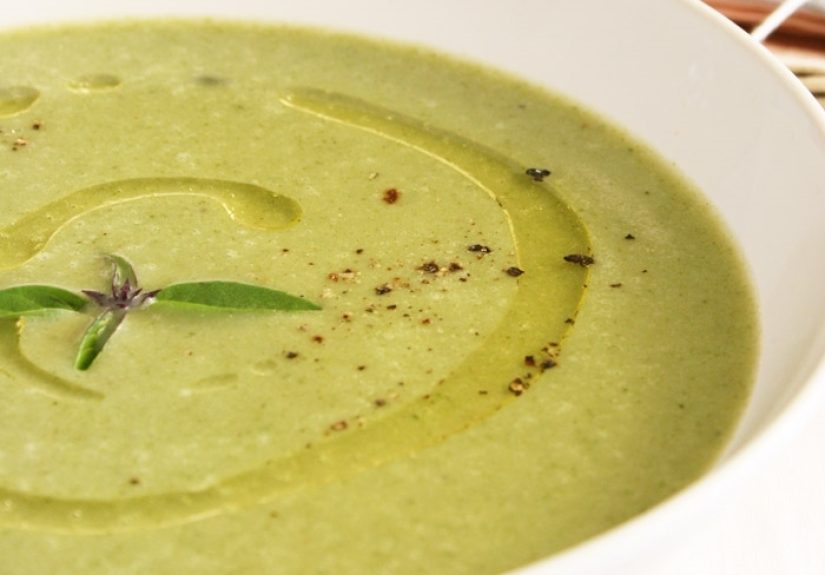
Cucumber soup is summer at its most composed. It is fresh, mild, and ideal for days when the heat makes your brain move at half speed. Versions with yogurt, sour cream, buttermilk, or avocado bring creaminess without requiring much effort. Mint, dill, chives, lemon, and garlic all work beautifully here.
What makes chilled cucumber soup so appealing is that it can feel either casual or elegant depending on how you serve it. Pour it into a big bowl with toasted bread for lunch, or serve it in small glasses with a garnish of herbs for guests. Same soup. Entirely different level of drama.
Vichyssoise: Cold Soup With Main Character Energy
Vichyssoise, the famous chilled potato-leek soup, proves that cold soup can be comforting too. It is creamy, mellow, and more substantial than raw vegetable soups. Even people who think they are skeptical of cold soup tend to warm up to this one, which is funny, because it is specifically served cold.
This style of soup is ideal when you want something refined but familiar. Potatoes give it body, leeks bring soft onion flavor, and cream or dairy adds richness. A sprinkle of chives on top is basically non-negotiable.
Fruit and Vegetable Hybrids
Some of the most fun chilled soups sit between savory and sweet. Peach and tomato. Strawberry and rhubarb. Beet and cherry. Melon and cucumber. These combinations work because summer fruit often brings sweetness, acidity, and fragrance that make vegetable soups feel more dimensional. When balanced properly, they do not taste like dessert in a bowl. They taste like summer learned some manners.
These soups are especially useful for entertaining because they surprise people. A spoonful of chilled peach soup with tangy cheese, a melon-cucumber blend with yogurt, or a beet-cherry soup with herbs feels memorable without needing complicated technique.
Global Chilled Soup Traditions
One reason chilled soups are having such a strong summer moment is that they are not one-note. Many culinary traditions already understand the brilliance of cold broth, chilled purees, and refreshing soup-based meals. Spanish gazpacho and ajo blanco are obvious examples. Eastern European fruit soups and beet soups bring sweet-savory depth. Korean cucumber soup offers salty, tangy, icy refreshment. Cold noodle soups show how broth, toppings, and texture can create a full meal while staying cool and light.
In other words, chilled soup is not a gimmick. It is a broad, smart category with history, range, and plenty of room for creativity.
What Makes a Great Chilled Soup
Cold temperatures mute flavor slightly, so a good chilled soup needs balance. That usually means more acid, more salt, and more texture than you might expect. Vinegar, lemon juice, lime juice, yogurt, and buttermilk help brighten the bowl. Olive oil adds body. Herbs add lift. Garlic, scallions, shallots, or onions add backbone. When blended soups feel flat, the answer is often not more cream. It is more contrast.
Texture matters just as much as flavor. A silky puree can be lovely, but a bowl with no textural variation can start to feel sleepy. That is why garnishes matter. Diced cucumber, chopped tomatoes, corn kernels, croutons, toasted nuts, seeds, herbs, seafood, yogurt swirls, and good olive oil all help. A cold soup should not feel dead on arrival. It should feel bright, layered, and alive.
Timing matters too. Many chilled soups taste better after resting in the fridge because the flavors have time to settle and meld. That pause is not a delay. It is part of the recipe. Think of it as beauty sleep for dinner.
How to Make Chilled Soup Taste Amazing at Home
Start With Peak Produce
Because many chilled soups use simple ingredient lists, quality matters. Mealy winter tomatoes will not magically become charismatic in a blender. Summer is the time to reach for ripe tomatoes, sweet corn, crisp cucumbers, fragrant herbs, juicy peaches, and melons that smell like they know what they are doing.
Use Acid Like a Secret Weapon
Lemon juice, lime juice, sherry vinegar, red wine vinegar, or even a bit of cultured dairy can wake everything up. Chilled soups often need that spark to keep the flavors from tasting too muted.
Season More Thoughtfully Than You Think
Cold food can dull salt perception, so seasoning should be careful but confident. Taste the soup after blending, then taste it again after chilling. That second tasting is where many soups reveal what they are missing.
Do Not Skip the Garnish
A chilled soup without garnish can taste unfinished. Add crunch, creaminess, herbs, spice, or something juicy on top. Even a tiny garnish can make the bowl feel restaurant-worthy instead of blender-to-bowl survival food.
Serve It Properly Cold
Lukewarm chilled soup is a tragedy. Refrigerate it long enough, chill the bowls if you are feeling fancy, and serve it straight from the fridge. Some soups even benefit from ice-cold elements or partially frozen garnishes in especially hot weather.
Best Ingredients for Summer Chilled Soups
The easiest way to build a chilled soup menu is to think seasonally. Tomatoes and cucumbers are the obvious stars, but they are far from the only players. Corn brings sweetness and body. Zucchini blends beautifully into silky soups. Avocado adds richness. Peas bring sweetness and color. Beets add earthiness and jewel-toned drama. Yogurt and buttermilk create tangy, creamy bases. Fresh herbs like mint, basil, dill, parsley, and chives keep everything tasting lively.
Fruit deserves special attention here. Watermelon, peaches, strawberries, cherries, and melon varieties can all work in chilled soups, especially when paired with herbs, yogurt, vinegar, or savory vegetables. That balance is what keeps the soup refreshing rather than sugary.
Serving Ideas That Turn Chilled Soup Into a Full Summer Meal
Chilled soup is easy to build around. Pair gazpacho with grilled shrimp or crusty bread. Serve cucumber soup alongside smoked salmon toast. Match a corn soup with a tomato salad and grilled chicken. Offer small glasses of melon soup as a starter before a backyard dinner. Spoon beet soup into bowls with dollops of yogurt and fresh herbs. Add cold noodle soups when you want something that eats like a full lunch.
These soups also work beautifully for entertaining because they can be prepared ahead. That means less sweating, less scrambling, and more time acting calm when people arrive. You will still be warm, because it is summer, but you will look organized.
Why This Summer Trend Has Staying Power
Chilled soups are not just trendy because they photograph well, although they absolutely do. They work because they solve real summer problems. They help people use seasonal produce. They reduce time near the stove. They feel lighter without being unsatisfying. They can be healthy, colorful, make-ahead, and surprisingly budget-friendly depending on the ingredients.
They also invite creativity without demanding perfection. You can follow a classic formula or improvise based on what is ripe. A surplus of cucumbers becomes lunch. A pile of tomatoes becomes dinner. Leftover herbs suddenly have purpose. A too-hot evening becomes a reason to make something clever instead of ordering the same takeout again.
That is why chilled soups keep coming back every summer and why they are likely to remain a favorite. Once people realize cold soup is not weird, but wonderful, the whole category opens up. Then it becomes less of a trend and more of a seasonal habit.
Final Thoughts
Chilled soups deserve a permanent seat at the summer table. They are practical, flavorful, flexible, and far more exciting than their old-fashioned reputation suggests. Whether you love a classic gazpacho, a creamy cucumber blend, a cold potato-leek soup, or a fruit-forward bowl with herbs and tang, there is a chilled soup for every kind of heatwave mood.
The next time the weather is unbearably hot and the thought of cooking makes you want to lie face-down on the kitchen tile, remember this: soup can still save dinner. It just needs to chill out first.
Summer Experiences: What Chilled Soups Feel Like in Real Life
There is something strangely satisfying about making chilled soup on a brutally hot day. You pull a few vegetables from the fridge, maybe some tomatoes that are getting too soft for slicing, a cucumber that is still crisp, a handful of herbs you forgot you bought, and suddenly dinner starts looking possible again. No big roasting pan. No sweaty stovetop marathon. No dramatic clouds of steam fogging up the kitchen. Just a cutting board, a blender, a little seasoning, and the deeply comforting knowledge that your meal will actually make you cooler instead of hotter.
That is part of the reason chilled soups feel so memorable in summer. They match the season emotionally, not just practically. Think about those evenings when everyone is tired, a little sun-drunk, and not interested in a heavy meal. A bowl of cold gazpacho with crunchy toppings and toasted bread feels exactly right. It is casual enough for a weeknight, but still has enough personality to feel like you made a real effort. It is the kind of meal that says, “Yes, I am melting, but I still have standards.”
They also have a way of making ordinary summer moments feel more interesting. A simple lunch on the patio becomes more elegant with a chilled cucumber soup in a small bowl. A cookout feels more polished when you begin with little glasses of watermelon soup with mint. A quiet afternoon turns into a mini event when you spoon a cold corn soup into bowls, top it with herbs and a swirl of yogurt, and sit near a fan like you are dining at a stylish beach café instead of hiding from the humidity in your own house.
Chilled soups are especially wonderful for people who like food that feels fresh but not flimsy. Salads can be great, but sometimes they feel like an obligation. Chilled soup feels intentional. It is soft, cool, and layered, with enough body to feel satisfying. Add good bread, a sandwich, or some grilled protein, and it becomes the sort of meal that makes summer eating feel easy rather than exhausting.
There is also a nostalgic side to it. Many chilled soups capture the exact flavors people associate with the best parts of summer: ripe tomatoes, sweet corn, fragrant basil, cool cucumbers, juicy melons, tangy yogurt, bright lemon, and just enough garlic to keep things interesting. One spoonful can taste like a farmers market, a vacation lunch, a garden harvest, or a lazy weekend when nobody is in a rush. That sensory connection is powerful. It is not just about being cold. It is about tasting the season at full volume.
And then there is the little thrill of serving chilled soup to someone who thinks they do not like chilled soup. That first skeptical look. That cautious spoonful. That immediate moment of surprise. Suddenly the person who thought cold soup sounded suspicious is asking what is in it and whether there is more. Chilled soups have that effect. They are unexpected, a little playful, and much more delicious than people assume. They turn doubters into believers one cool spoonful at a time.
In the end, chilled soups are more than a summer food trend. They are a summer mood. They are what you make when you want dinner to feel fresh, clever, and easy. They are what you serve when the weather is loud and your appetite wants something calm. Most of all, they remind you that some of the best warm-weather meals are the ones that do the exact opposite of what you expect. Instead of turning up the heat, they bring it down beautifully.






 Close
Close