
Table of Contents >> Show >> Hide
- How constipation can cause nausea
- Common causes of constipation with nausea
- Symptoms that suggest nausea may be linked to constipation
- When constipation and nausea may be serious
- How to relieve constipation-related nausea at home
- What to eat when constipation makes you nauseated
- How to prevent constipation and nausea from coming back
- Does treating constipation always fix nausea?
- Constipation and nausea in children
- Constipation and nausea during pregnancy
- Practical examples: what constipation-related nausea can feel like
- Myth vs. fact: constipation and nausea
- 500-word experience section: real-life experiences with constipation and nausea
- Conclusion
Note: This article is for educational purposes only and is not a substitute for medical advice. Constipation with severe abdominal pain, vomiting, fever, blood in the stool, unexplained weight loss, or inability to pass gas should be evaluated promptly by a healthcare professional.
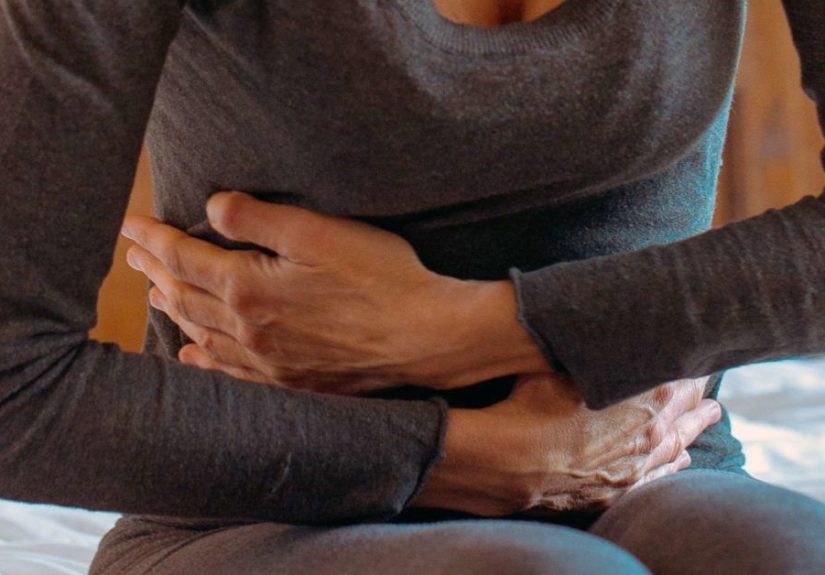
Yes, constipation can cause nausea. It sounds a little unfair, doesn’t it? As if your digestive system looked at a traffic jam in the colon and decided, “Let’s make the stomach miserable too.” But that is often what happens. When stool moves too slowly through the intestines, pressure, bloating, trapped gas, and delayed digestion can make you feel queasy, overly full, or even like you might vomit.
Constipation and nausea are both common digestive complaints, and they often travel as a very unpleasant duo. Sometimes the nausea is mild and passes after a bowel movement. Other times, it may point to a more serious issue, such as fecal impaction, intestinal obstruction, medication side effects, dehydration, irritable bowel syndrome, or another underlying condition. The key is knowing when constipation-related nausea is manageable at home and when it deserves medical attention.
Let’s break it down in plain English, with zero medical mumbo jumbo and only the necessary amount of poop talk. Which, admittedly, is still a fair amount.
How constipation can cause nausea
Constipation happens when bowel movements become less frequent, stools become hard or dry, or passing stool requires uncomfortable straining. Many people think constipation simply means “not going every day,” but bowel habits vary. Some healthy people go three times a day; others go three times a week. The bigger issue is whether stool is hard to pass, painful, unusually infrequent, or leaves you feeling like you did not fully empty your bowels.
Nausea can happen because the digestive tract works as one connected system. Your stomach, small intestine, colon, nerves, muscles, hormones, and gut bacteria are all part of the same highly dramatic neighborhood association. When stool sits too long in the colon, it can slow the normal movement of the digestive tract. Food may linger longer than usual, gas can build up, and the abdomen can feel tight or swollen. That backup can send uncomfortable signals upward, making the stomach feel unsettled.
1. Slow gut movement can make food feel “stuck”
Digestion depends on coordinated muscle contractions called peristalsis. These contractions move food and waste through the gastrointestinal tract. When this movement slows, stool can harden in the colon because the colon absorbs more water from it. At the same time, the upper digestive tract may also feel sluggish. That can lead to fullness, burping, loss of appetite, and nausea.
This is why some people feel worse after eating when they are constipated. A normal meal may suddenly feel like a Thanksgiving dinner eaten in jeans one size too small.
2. Bloating and gas can trigger queasiness
Constipation often comes with bloating and trapped gas. As stool remains in the colon, bacteria continue to ferment undigested material, which may increase gas production. The expanding pressure can stretch the intestinal walls and create discomfort. For some people, that stretched, bloated feeling is enough to trigger nausea.
Bloating-related nausea is usually not sharp or sudden. It often feels like a dull, heavy, “my stomach is annoyed with me” sensation. You may also feel temporarily better after passing gas or having a bowel movement.
3. Fecal impaction can cause stronger nausea
Fecal impaction occurs when hard stool becomes stuck in the colon or rectum and cannot pass normally. It is more likely in older adults, people with limited mobility, people who use certain medications, or those with long-term constipation. Symptoms may include abdominal pain, pressure, inability to eat comfortably, watery stool leaking around the blockage, nausea, and sometimes vomiting.
Fecal impaction is not something to “tough out” with heroic bathroom determination. It may require medical treatment, especially if symptoms are severe or ongoing.
4. A bowel obstruction can cause constipation and nausea
A bowel obstruction is a blockage that prevents food, fluid, gas, or stool from moving normally through the intestines. This is more serious than everyday constipation. Warning signs can include intense cramping abdominal pain, vomiting, abdominal swelling, inability to pass gas, and inability to have a bowel movement.
If constipation comes with vomiting, severe belly pain, a swollen abdomen, fever, or inability to pass gas, seek urgent medical care. In this situation, nausea is not just a side character. It may be part of a medical emergency.
Common causes of constipation with nausea
Constipation does not usually appear out of nowhere. It often has a cause, even if that cause is “I ate three slices of pizza, forgot water existed, and sat at my desk like a decorative statue.” Below are common triggers.
Low fiber intake
Fiber helps add bulk to stool and supports regular bowel movements. Many adults do not get enough fiber from fruits, vegetables, beans, lentils, oats, whole grains, nuts, and seeds. When fiber intake is low, stool may become smaller, harder, and slower to move.
However, fiber is not magic fairy dust. Suddenly doubling fiber overnight can worsen gas and bloating. A gradual increase works better, especially when paired with enough fluids.
Not drinking enough fluids
Water helps keep stool softer and easier to pass. If you are dehydrated, the colon may absorb more water from stool, making it dry and stubborn. This is especially common during hot weather, after exercise, during illness, or when someone drinks lots of caffeine or alcohol without balancing fluids.
Lack of physical activity
Movement helps stimulate bowel activity. Long periods of sitting, bed rest, travel, or a sudden drop in activity can slow digestion. Even a daily walk may help some people get things moving. Your colon does not need you to become an Olympic athlete; it may just appreciate not being parked in a chair for 10 hours straight.
Ignoring the urge to go
When you repeatedly ignore the urge to have a bowel movement, stool can remain in the colon longer and become harder. Over time, the body’s natural signals may become less noticeable. This can happen at work, school, while traveling, or anywhere the bathroom situation feels less than inspiring.
Medications and supplements
Several medications and supplements can contribute to constipation and sometimes nausea. Common examples include opioid pain medicines, certain antidepressants, iron supplements, calcium supplements, some antacids, anticholinergic medicines, and certain medications for high blood pressure or nausea. Opioids are especially known for slowing gut movement.
Do not stop a prescribed medication on your own. If you suspect a medication is causing constipation, ask a healthcare professional about alternatives, dose adjustments, or safe constipation treatment options.
Digestive conditions
Irritable bowel syndrome with constipation, often called IBS-C, can cause constipation, bloating, abdominal pain, and nausea. Some people with inflammatory bowel disease, diverticular disease, gastroparesis, pelvic floor dysfunction, or slow-transit constipation may also experience nausea along with bowel changes.
Hormonal and metabolic conditions
Conditions such as hypothyroidism and diabetes can affect digestion and bowel movement patterns. Pregnancy can also increase constipation due to hormonal changes, pressure on the intestines, prenatal vitamins with iron, and changes in activity or diet.
Symptoms that suggest nausea may be linked to constipation
Nausea may be related to constipation if it appears along with typical constipation symptoms. These can include:
- Fewer bowel movements than usual
- Hard, dry, or lumpy stools
- Straining during bowel movements
- A feeling of incomplete emptying
- Bloating or abdominal pressure
- Gas or cramping
- Reduced appetite
- Feeling full quickly after eating
If nausea improves after passing stool or gas, constipation may be the main culprit. If nausea continues even after constipation improves, another cause may be involved.
When constipation and nausea may be serious
Most occasional constipation is not dangerous, but constipation with nausea deserves closer attention when symptoms are severe, sudden, or unusual for you.
Seek medical care promptly if you have:
- Vomiting, especially repeated vomiting
- Severe or worsening abdominal pain
- A swollen or hard abdomen
- Inability to pass gas
- Blood in the stool or rectal bleeding
- Black, tarry stools
- Fever
- Unexplained weight loss
- Constipation that lasts longer than three weeks
- New constipation after age 50
- A family history of colon or rectal cancer
These symptoms do not automatically mean something terrible is happening, but they are not the kind of signs you should answer with “Let’s Google harder.” They deserve real medical evaluation.
How to relieve constipation-related nausea at home
If symptoms are mild and there are no red flags, constipation-related nausea often improves when constipation improves. The goal is to make stool softer, support bowel movement, and calm the stomach while your digestive system gets back on schedule.
Start with fluids
Drink water throughout the day. Warm liquids, such as herbal tea or warm water with lemon, may feel soothing for some people. Broths and water-rich foods, such as melon, oranges, cucumbers, soups, and smoothies, can also support hydration.
If you are nauseated, take small sips instead of chugging a giant glass of water. Your stomach may not appreciate being surprised with a swimming pool.
Eat gentle, fiber-rich foods
Good options include oatmeal, berries, pears, apples with skin, prunes, beans, lentils, peas, chia seeds, ground flaxseed, brown rice, and whole-grain toast. Prunes are popular because they contain fiber and sorbitol, a natural sugar alcohol that can help draw water into the bowel.
Increase fiber gradually. Adding too much too fast can make bloating and nausea worse. Think “slow upgrade,” not “fiber festival.”
Move your body
A gentle walk after meals may help stimulate digestion and reduce bloating. Stretching, light yoga, and regular daily movement may also support bowel regularity. If you are in pain, dizzy, vomiting, or medically restricted from exercise, skip this step and seek guidance.
Try a bathroom routine
The colon is often more active after breakfast. Sitting on the toilet for 5 to 10 relaxed minutes after a morning meal may help train the body. Keep your feet on a small stool if possible, so your knees are slightly higher than your hips. This position can make bowel movements easier by improving the angle of the rectum.
Consider over-the-counter options carefully
Some people use fiber supplements, stool softeners, osmotic laxatives, or stimulant laxatives. These can be helpful, but the right choice depends on your symptoms, health history, medications, and how long constipation has been happening.
Osmotic laxatives draw water into the bowel to soften stool. Stimulant laxatives trigger intestinal contractions and may work faster, but they are not always the best first choice for frequent use. If you are pregnant, older, taking multiple medications, have kidney disease, or have severe symptoms, ask a healthcare professional before using laxatives.
What to eat when constipation makes you nauseated
When you feel nauseated, a heavy meal can make things worse. Choose small, simple meals until your stomach settles. Try toast, crackers, oatmeal, bananas, applesauce, rice, soup, baked potatoes, or plain chicken. Ginger tea or ginger candies may help some people with nausea, although results vary.
Avoid very greasy foods, large portions, heavy dairy meals, and highly processed snacks if they worsen bloating. Also be cautious with carbonated drinks, which can increase gas for some people. Your digestive tract may already be hosting a balloon animal convention; no need to add extra bubbles.
How to prevent constipation and nausea from coming back
Prevention works best when it is boringly consistent. The glamorous digestive routine is mostly fiber, fluids, movement, sleep, and not ignoring your body’s signals. It will not win a reality show, but it can make your mornings much more peaceful.
Build a high-fiber plate
Aim to include fiber at most meals. Breakfast could be oatmeal with berries and nuts. Lunch could be a bean soup or salad with chickpeas. Dinner could include roasted vegetables, lentils, brown rice, or whole-grain pasta. Snacks might include fruit, popcorn, nuts, or whole-grain crackers.
Pair fiber with water
Fiber works best with fluid. Without enough liquid, extra fiber may worsen constipation. If you add a fiber supplement, drink water with it and follow the product directions carefully.
Keep a regular schedule
Travel, shift work, stress, and skipped meals can disrupt bowel habits. Eating meals at regular times and giving yourself unhurried bathroom time can help. The colon likes routine more than most people like Monday morning meetings.
Review medication side effects
If constipation started after a new medication or supplement, note the timing. Share that information with your doctor or pharmacist. Sometimes a simple adjustment can make a major difference.
Does treating constipation always fix nausea?
Not always. If nausea is caused mainly by stool backup, bloating, or slow gut movement, improving constipation may help a lot. But nausea can also come from many other causes, including stomach infections, food poisoning, migraine, acid reflux, gallbladder problems, pregnancy, anxiety, medication side effects, gastroparesis, or intestinal obstruction.
If nausea continues after bowel movements return to normal, or if nausea happens frequently without clear constipation, it is time to look beyond the colon. Your stomach may be waving a different flag.
Constipation and nausea in children
Children can also experience nausea with constipation. Signs may include belly pain, reduced appetite, stool accidents, hard stools, or avoiding the toilet because bowel movements hurt. Kids may not always say “I am constipated.” Sometimes they say “my tummy hurts,” refuse dinner, or suddenly develop a suspicious relationship with the bathroom door.
Parents should contact a pediatrician if a child has vomiting, severe pain, blood in stool, weight loss, fever, constipation in infancy, or ongoing symptoms. Do not give adult laxatives to children unless a healthcare professional recommends them.
Constipation and nausea during pregnancy
Constipation is common during pregnancy because hormonal changes can slow intestinal movement. Iron-containing prenatal vitamins, changes in diet, lower activity, and pressure from the growing uterus can also contribute. Nausea may already be present from pregnancy itself, so constipation can make an already sensitive stomach feel even worse.
Pregnant people should ask a healthcare professional before taking laxatives or supplements. Many constipation strategies, such as fluids, fiber-rich foods, and gentle activity, may be recommended, but treatment should be individualized.
Practical examples: what constipation-related nausea can feel like
Imagine you have gone two or three days without a bowel movement. Your abdomen feels full, your jeans are staging a protest, and lunch sits in your stomach like it signed a long-term lease. You feel mildly nauseated, but after drinking water, walking, and finally having a bowel movement, the nausea fades. That pattern strongly suggests constipation played a role.
Now imagine constipation plus repeated vomiting, severe cramping, and inability to pass gas. That is a different story. In that case, do not assume it is simple constipation. Seek urgent medical care because those symptoms may suggest a blockage or another serious problem.
Myth vs. fact: constipation and nausea
Myth: Constipation only affects the colon.
Fact: Constipation can affect how the entire digestive system feels. Bloating, fullness, appetite changes, and nausea can all happen when stool moves too slowly.
Myth: If you are nauseated, you should stop eating completely.
Fact: Small, bland meals may be easier to tolerate than large meals. However, if you cannot keep fluids down, seek medical help.
Myth: More fiber always fixes constipation fast.
Fact: Fiber can help, but too much too quickly can worsen gas and bloating. Increase slowly and drink enough fluids.
Myth: Laxatives are always dangerous.
Fact: Many over-the-counter constipation treatments can be safe when used correctly. The problem is using the wrong product, using it too often without guidance, or ignoring serious symptoms.
500-word experience section: real-life experiences with constipation and nausea
People who deal with constipation-related nausea often describe the experience as confusing before they understand the connection. One day, the issue seems to be in the lower abdomen: bloating, pressure, and no satisfying bowel movement. The next, the stomach joins the group chat with nausea, appetite loss, and a strange feeling of fullness after just a few bites. It can feel like two separate problems, but in many cases, they are part of the same digestive slowdown.
A common experience is the “travel constipation” scenario. Someone flies across the country, drinks less water than usual, eats airport food, sits for hours, and ignores the urge to go because public restrooms are not exactly spa retreats. By the second or third day, they feel bloated and queasy. Breakfast looks good in theory, but one bite of eggs feels like a mistake. Once they hydrate, walk more, eat fruit or oatmeal, and finally have a bowel movement, the nausea improves. In this case, the body was not being mysterious. It was simply asking for routine, fluid, movement, and a little respect.
Another familiar pattern happens during busy workweeks. A person rushes through breakfast, sits at a desk all day, postpones bathroom breaks, and relies on coffee as if it were a personality trait. By evening, they feel heavy, gassy, and slightly nauseated. They may blame dinner, but the real issue started much earlier. When bowel signals are ignored repeatedly, stool can sit longer, become harder, and make the whole abdomen feel uncomfortable. This kind of constipation is often improved by boring but effective habits: a real breakfast, water nearby, short walks, and allowing time to use the bathroom without treating it like an emergency board meeting.
Some people notice constipation and nausea after starting a new medication or supplement. For example, iron supplements may help address low iron, but they can also harden stool. Opioid pain medications can slow gut movement significantly. Certain nausea medicines may also worsen constipation, creating a frustrating loop: you take something for nausea, but it slows the bowel, and then constipation makes nausea worse. That does not mean the medication is “bad,” but it does mean side effects should be discussed with a clinician or pharmacist.
People with IBS-C often describe a more recurring cycle. They may have days of constipation, bloating, cramps, and nausea, followed by partial relief after a bowel movement. Stress, certain foods, poor sleep, or hormonal changes may worsen symptoms. For these individuals, quick fixes may not be enough. A longer-term plan with a healthcare professional can help identify triggers and treatment options.
The biggest lesson from these experiences is that constipation-related nausea is usually the body’s way of saying, “Something is moving too slowly down here.” Mild cases may respond to fluids, fiber, movement, and routine. But severe pain, vomiting, blood, fever, weight loss, or inability to pass gas should never be brushed aside. Your digestive system can be dramatic, yes, but sometimes it is dramatic for a reason.
Conclusion
So, does constipation cause nausea? Yes, it can. When stool moves too slowly, the digestive tract can become backed up, bloated, and uncomfortable. That pressure and sluggish movement may lead to nausea, reduced appetite, and a heavy full feeling. In many mild cases, constipation-related nausea improves with hydration, gradual fiber intake, gentle movement, and healthy bathroom habits.
Still, nausea with constipation is not always harmless. Vomiting, severe abdominal pain, swelling, fever, blood in stool, unexplained weight loss, or inability to pass gas should be checked urgently. Listen to your body. It may not always be elegant, but it is usually trying to tell you something useful.







 Close
Close