
Table of Contents >> Show >> Hide
- Quick Backstory: A Danish Classic With a Global Fan Club
- Design Anatomy: Why the CH24 Looks Simple (But Isn’t)
- Craftsmanship: The Part Where “Iconic” Becomes Earned
- Dimensions & Fit: Will It Work With Your Table?
- Comfort, In Real Life: Dining Chair That Doesn’t Punish You
- Finishes, Woods, and the “Which One Should I Buy?” Question
- Authenticity & Buying Tips: How to Avoid Regret (and Bad “Dupes”)
- Care & Maintenance: Keeping Wood and Paper Cord Happy
- of Wishbone Chair Experience: What It’s Like to Live With the CH24
- Conclusion: The CH24 Is Popular for a Reason (Actually, Several)
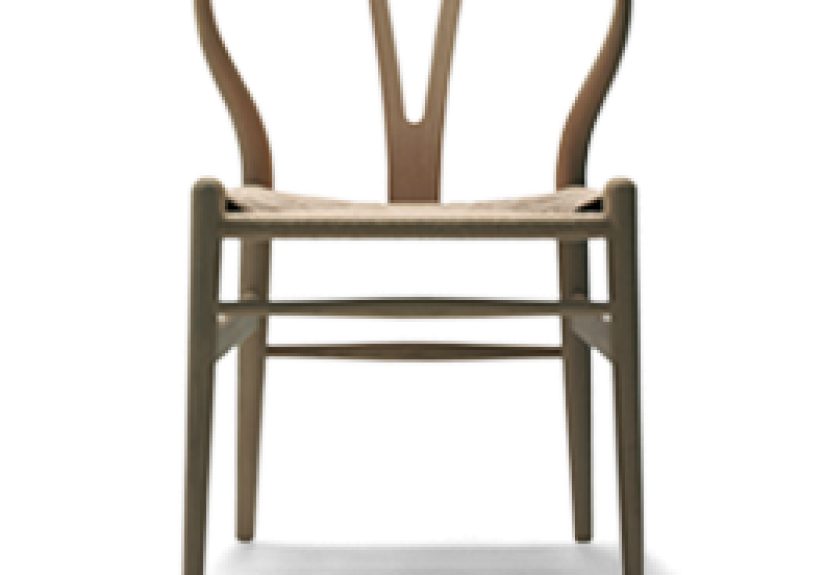
Some chairs are “nice.” Some chairs are “fine.” And then there’s Hans J. Wegner’s CH24better known as the Wishbone Chair or the Y Chairwhich is basically the overachiever in the group project: elegant, comfortable, durable, and somehow still photogenic after decades of daily life. If you’ve ever scrolled past a bright, airy dining room and thought, “Why does that chair look like it belongs in a design museum and my kitchen at the same time?”congrats, you’ve met the Wishbone Chair. [1][2]
This guide breaks down what makes the CH24 iconic, how it’s built, why it works in real homes (not just staged ones), and what to look for when buyingwithout turning your reading experience into a furniture assembly manual.
Quick Backstory: A Danish Classic With a Global Fan Club
The CH24 was designed in 1949 and first manufactured in 1950, and it has remained in continuous production ever sincean impressive run for any product, especially one made from wood and paper cord (two materials that sound suspiciously like a middle-school craft project until you see the results). [1][2]
Wegner started as a cabinetmaker, and that “craft first” mindset shows in the chair’s refined joinery and clean lines. Inspiration also came from the forms of traditional Chinese (Ming-era) chairsparticularly the idea of a wide, welcoming seat and an airy, sculptural profile. The Wishbone’s signature “Y” back support (the part that looks like a wishbone, hence the nickname) stabilizes the steam-bent top rail while giving you comfortable back support. [1][2][5]
Fun detail from the chair’s origin story: while Denmark wasn’t instantly convinced by its light, modern look, it found early fans in places like California, then grew into the Danish modern benchmark it’s considered today. That slow-burn-to-superstar arc feels weirdly relatable. [1]
Design Anatomy: Why the CH24 Looks Simple (But Isn’t)
The Wishbone Chair has a “nothing extra” aesthetic: a hardwood frame, an open back, and a woven seat. But that minimal look is the result of a lot of decisions that balance strength, comfort, and visual lightness.
1) The One-Piece Curve That Does a Lot of Work
One of the CH24’s most recognizable features is how the backrest and armrests feel like a single continuous gesture. That curve isn’t just prettyit helps the chair feel supportive without looking bulky, which is why it can sit around a dining table without visually “crowding” the room. [5][6]
2) The “Y” Back Support (a.k.a. the Chair’s Secret Spine)
The Y-shaped splat gives you a stable point of support in the upper back while reinforcing the curved top rail. Translation: it’s comfortable for lingering dinners and also helps keep the chair structurally confident over time. [2][5]
3) The Woven Paper Cord Seat: Lightweight, Springy, Surprisingly Tough
The paper cord seat is the chair’s signature texture and a major part of its comfort. It has a subtle give (more hammock than hard plank), and it breathesso it’s less “sticky summer dinner party” than many upholstered dining chairs. Plus, it looks great in nearly every finish, from soap-finished oak to painted beech. [5][6]
Craftsmanship: The Part Where “Iconic” Becomes Earned
The CH24 is often described as deceptively complex. Depending on how a brand tells the story, you’ll hear that the chair is composed of 14 components and requires around 100+ distinct steps/processes to shape, sand, assemble, and finish. That’s the hidden labor behind the chair’s calm, effortless look. [2][7][5]
The seat weaving alone can take about an hour and uses roughly 120 meters (about 400 feet) of paper cord. That’s a lot of “string” for something that ends up looking so clean and graphic. This weaving is one reason the chair can feel both supportive and forgivingespecially over long meals and work-from-home days where your “temporary desk chair” becomes your permanent desk chair. [5][6][2]
Another reason the Wishbone Chair has become a Scandinavian design staple is that it’s built from natural materials in a way that still feels modernwood grain, handwork, and thoughtful geometry instead of foam-and-fabric bulk. It’s a chair that quietly shows you what “quality” looks like. [7][9]
Dimensions & Fit: Will It Work With Your Table?
The CH24 is commonly used as a dining chair, but it also works as a desk chair or occasional chair because of its arm support and relatively compact footprint. Here’s a practical snapshot using commonly listed measurements (small variations happen depending on how a retailer rounds): [3][4]
| Measurement | Typical Listing | Why It Matters |
|---|---|---|
| Overall height | ~29–30 in | Plays nicely with most dining tables and doesn’t block sightlines. |
| Width | ~21.5–22 in | Comfortable without hogging elbow room. |
| Depth | ~19.5–20 in | Works in tighter dining nooks and apartment layouts. |
| Seat height | ~17.75–17.8 in | Pairs well with standard dining table heights. |
| Weight capacity | Often listed around 300 lbs | A good signal that “delicate-looking” doesn’t mean fragile. |
Styling tip: because the arms curve outward, give the chair a little breathing room if your table has thick apron rails or bulky supports. If you’re mixing chairs around a table, the Wishbone often works best on the long sides, with armless chairs at the endsunless you’re going for the “every seat is the best seat” strategy (which, honestly, is valid). [12][11]
Comfort, In Real Life: Dining Chair That Doesn’t Punish You
The Wishbone Chair’s comfort comes from a mix of gentle support and freedom of movement. The curved top rail and Y back provide a natural “landing spot” for your back, while the woven seat has a subtle flex that helps distribute weight. Many people describe it as supportive without feeling stiffespecially compared with hard wood seats that look great but feel like a dare. [10][5]
If you like to sit cross-legged, perch sideways during long conversations, or casually lean one elbow while telling a story you’ve already told twice, the CH24 is surprisingly accommodating. The arms aren’t huge, but they add enough structure that the chair feels more like a “dining-lounge hybrid” than a strict, upright seat. [5][10]
Prefer a softer sit? Many owners add a thin cushion. The chair still looks light, but your guests will stop doing the polite “I’m fine!” shuffle after 90 minutes of dinner and dessert. [13]
Finishes, Woods, and the “Which One Should I Buy?” Question
The CH24 is commonly offered in variations of solid wood (often oak, beech, walnut, or ash depending on the lineup) and finishes that range from natural oils to lacquers to painted colors. Part of the chair’s longevity in interiors is that it can read as warm and traditional in a natural finishor crisp and modern in a painted versionwithout changing its core identity. [6][1]
Picking a Finish Like a Grown-Up (Without Losing Your Mind)
- Natural/soap/oiled wood: Emphasizes grain, feels classic, pairs beautifully with linen, stone, and warm neutrals.
- Painted beech: Great for modern or coastal interiors; also hides everyday scuffs better than you’d expect.
- Darker tones: Adds contrast in bright rooms and looks especially sharp against light walls and pale tables.
A quick rule of thumb: if your space already has strong patterns or bold art, a simpler finish lets the chair act like a calm supporting character. If your room feels too neutral, a deeper tone can add shape without adding clutter. [12]
Authenticity & Buying Tips: How to Avoid Regret (and Bad “Dupes”)
The Wishbone Chair is widely copied. Some replicas look decent in a photo, but details tend to reveal themselves in real life: clunkier proportions, rougher joints, or a seat weave that feels more “craft fair” than “master craft.” If you’re investing in an authentic CH24, here’s what helps.
A Practical Checklist
- Buy from a trusted retailer or design shop with clear model labeling (CH24) and transparent materials/finish details. [3][4][6]
- Look for maker markings/labels on vintage pieces and verify conditionespecially the paper cord seat, which can be replaced but should be factored into price. [14][13]
- Check proportions and the “Y” shape: authentic versions tend to look airy and balanced rather than chunky or stiff. [5][2]
- Ask about the weave: the seat pattern should be tight, even, and neatly finished at edgesno loose ends, no uneven tension. [2][5]
Budget note: prices vary by finish and market conditions, but the CH24 is often positioned as a premium dining chair. You’ll see it referenced in design shopping roundups and minimalist dining room inspiration precisely because it’s an “investment piece” that can move with you from home to home. [1][10][12]
Care & Maintenance: Keeping Wood and Paper Cord Happy
The Wishbone Chair is durable, but it’s not indestructiblethink “athletic and elegant,” not “built for monster-truck rallies.” A few practical care habits go a long way:
- Paper cord seat: Vacuum gently with a brush attachment; wipe spills quickly with a barely damp cloth (don’t soak the cord). [5][2]
- Wood frame: Dust regularly; use appropriate products for your finish (oil vs. lacquer vs. paint). [6]
- Sun and humidity: Avoid harsh direct sun for long periods to reduce fading; keep away from extreme humidity swings. [6]
- Cushions: If kids, pets, or red wine are frequent guests, a thin cushion can be a smart “style choice” that’s secretly a protective strategy. [13]
If you’re shopping vintage, remember the paper cord can be repaired or rewoven. That’s part of the chair’s charm: it’s not disposable; it’s maintainable. [14][13]
of Wishbone Chair Experience: What It’s Like to Live With the CH24
If the CH24 were only a pretty face, it would have faded into “design history trivia” a long time ago. But the reason it keeps showing up in real homesfrom city apartments to beach housesis that it behaves like a genuinely useful chair day after day. Interior editors and designers often talk about the Wishbone as a rare piece that survives redecorations because it doesn’t demand a single style narrative. You can put it beside a rustic table, a modern marble slab, or a vintage Danish piece and it doesn’t look confused. It’s the friend who can hang out with every group at the party. [13][12]
Comfort-wise, people tend to notice two things quickly. First: the arms are just enough. They don’t wrap around you like a lounge chair, but they give your shoulders and posture a subtle cue to relax. Second: the woven seat has a spring that makes long dinners easier. It’s not plush, but it’s not punishing. In shopping guides that compare dining chairs, the Wishbone often gets described as a “holy grail” option because it manages to feel solid while still looking lightweight. That combination is rarer than it should be. [10]
In day-to-day use, the paper cord becomes the main character. It’s breathable, it adds texture, and it quietly makes a wood chair feel less like “formal seating.” But it also nudges you toward a few sensible habits: wipe spills quickly, avoid letting saturated cloth sit on the weave, and consider a seat pad if your household is hard on furniture. In one Architectural Digest feature, a designer mentioned adding felt chair pads for guest comfortan extremely normal move that also happens to protect the seat during big gatherings. That’s the Wishbone experience in a nutshell: refined design… plus the practical reality of hosting people who don’t hover above chairs. [13]
The chair also has a funny way of turning into a “lifetime piece.” People buy it for a dining table, then steal one for a desk when they realize the arms and back support make working more pleasant. Or they move homes and keep the chairs because they’re one of the few items that fit the new space without debate. You’ll even find home tours where Wishbone chairs are called out as a major indulgencebecause they’re the kind of purchase you feel, not just see. [11]
And if you’re into vintage hunting, the CH24 is one of those designs that rewards patience. Editors have shared stories of finding Wishbone chairs secondhand and bringing them back with repairs to the paper cord, ending up with seating that feels both storied and “as good as new.” That’s a deeply satisfying kind of sustainability: the chair isn’t trendy because it’s new; it’s relevant because it keeps working. [14][9]
Conclusion: The CH24 Is Popular for a Reason (Actually, Several)
Hans Wegner’s Wishbone ChairCH24has earned its reputation through a rare combination of qualities: sculptural beauty, human comfort, thoughtful engineering, and materials that age with character. It’s a Danish modern icon that doesn’t feel precious, a minimalist dining chair that doesn’t feel cold, and a design classic that still makes sense in everyday life. [1][2][5]
If you want a chair that elevates a room without yelling for attentionand that you’ll still enjoy sitting in after the compliments fadethe Wishbone is a seriously smart pick. Just be warned: once you own one, you may start judging other chairs. Not out loud. Mostly.






 Close
Close