
Table of Contents >> Show >> Hide
- Why Beef Tenderloin Is Different From Other Roasts
- What to Buy for the Best Oven-Roasted Beef Tenderloin
- Best Method: How to Cook Beef Tenderloin in the Oven
- Step-by-Step: How to Cook Beef Tenderloin in the Oven at 425°F
- Bonus Method: Low-Temperature Oven Beef Tenderloin
- Best Seasonings and Sauces for Beef Tenderloin
- Common Mistakes to Avoid
- Frequently Asked Questions
- Kitchen Experience: What I Learned the Hard Way About Cooking Beef Tenderloin in the Oven
- Conclusion
- SEO Metadata
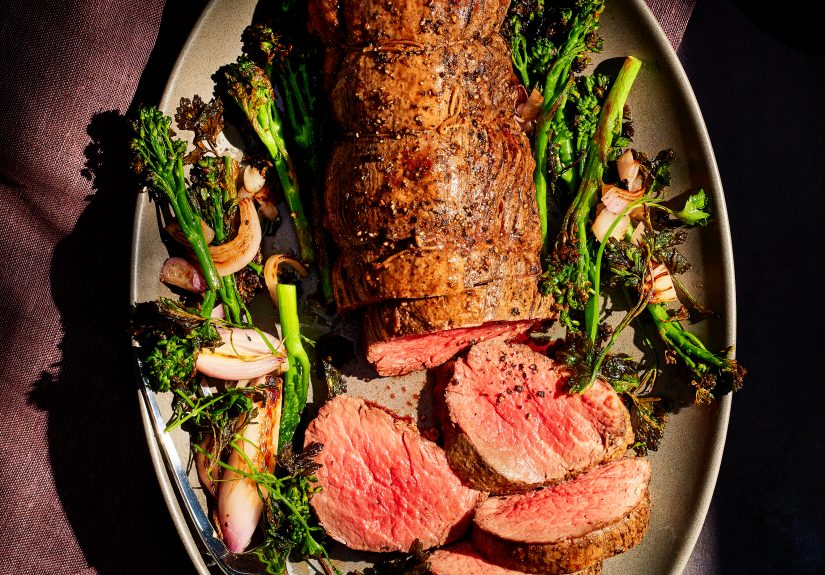
Beef tenderloin is the fancy-pants cut of beef that makes people sit up straighter at the dinner table. It is tender, elegant, and expensive enough to make you whisper, “Please don’t let me ruin this,” while preheating the oven. The good news? Oven-roasted beef tenderloin is not difficult. It just rewards attention, a meat thermometer, and a little self-control when it is time to slice.
If you have ever wondered how to cook beef tenderloin in the oven without turning a luxury roast into a pricey life lesson, this guide is for you. We will cover the best oven method, ideal internal temperatures, timing tips, seasoning ideas, common mistakes, and the real-world kitchen experience that makes the process less intimidating and far more delicious.
Why Beef Tenderloin Is Different From Other Roasts
Beef tenderloin comes from a part of the cow that does very little work, which is why it is famously tender. That tenderness is the headline act. The trade-off is that tenderloin is leaner than cuts like ribeye or chuck, so it does not have as much built-in fat to bail you out if you overcook it. In other words, this roast is more “luxury sports car” than “pickup truck.” Smooth and impressive, yes. Forgiving, not always.
What Makes It So Good
The texture is buttery and refined, especially when cooked to medium-rare or medium. When sliced properly, it almost looks like the kind of roast you assume requires years of culinary school and one mildly judgmental French chef standing behind you.
What Makes It Easy to Mess Up
Because tenderloin is lean, a few extra minutes in the oven can take it from juicy and rosy to dry and disappointing. The difference between “restaurant-worthy” and “why is it squeaky?” is usually temperature, not effort.
What to Buy for the Best Oven-Roasted Beef Tenderloin
If you want the easiest path to success, ask your butcher for a center-cut beef tenderloin that is trimmed and tied. The center cut is more uniform in thickness, which means it cooks more evenly. That is a very nice feature when your goal is consistent doneness instead of a roast that is medium-well at one end and rare at the other.
Plan on about 6 to 8 ounces per person for a holiday dinner or special meal. If you are serving a lot of side dishes, you can lean toward the lower end. If your crowd includes teenagers, gym people, or that one uncle who says “I’m just having a little” and then carves half the roast, go bigger.
What You Need
- 1 trimmed and tied beef tenderloin roast
- Kosher salt
- Freshly ground black pepper
- Olive oil or softened butter
- Optional flavor boosters: garlic, rosemary, thyme, Dijon mustard, shallots
- A roasting pan or sheet pan with an oven-safe rack
- An instant-read or probe thermometer
If you remember only one thing from this article, let it be this: the thermometer is the boss. Not the clock. Not your instincts. Not the friend who says, “I just wing it.” That friend is not paying for your tenderloin.
Best Method: How to Cook Beef Tenderloin in the Oven
There are two popular ways to roast beef tenderloin in the oven. Both work. One is faster and more traditional, while the other gives you a more evenly pink interior from edge to edge.
Method 1: High-Heat Roasting
This is the classic approach and the easiest for most home cooks. You roast the beef at a hotter oven temperature, usually around 425°F, until it reaches your target internal temperature, then rest it before slicing. This method is straightforward, fairly quick, and ideal when you want dinner on the table without spending half the afternoon hovering near the oven.
Method 2: Low-Temperature Roast or Reverse-Sear Style
This method cooks the tenderloin more gently, often at 225°F to 275°F, then finishes with a quick blast of high heat or a sear for color and crust. It takes longer, but it tends to produce that dreamy edge-to-edge pink center people brag about online. If your goal is precision and you enjoy saying things like “thermal gradients” at dinner, this is your lane.
For this article, we will focus on the high-heat oven method because it is practical, widely used, and great for home cooks. Then we will cover the low-temp option as a bonus.
Step-by-Step: How to Cook Beef Tenderloin in the Oven at 425°F
1. Prep the Roast
Take the beef tenderloin out of the refrigerator, pat it dry with paper towels, and place it on a rack set inside a roasting pan or sheet pan. Dry meat browns better. Wet meat steams. This is not the time for sauna energy.
If the roast is not already tied, use kitchen twine to tie it at intervals so it holds a more even shape. Tuck the thin tail under if needed. This helps the whole roast cook at a similar rate.
2. Season It Well
Tenderloin is delicate in texture but mild in flavor compared with fattier cuts, so do not be shy with seasoning. A simple mix of kosher salt, black pepper, olive oil, and chopped herbs is excellent. Garlic and rosemary are classic. Dijon mustard adds a subtle tang and helps herbs stick. Butter is delicious, too, because butter has never once ruined a special dinner.
If you have time, seasoning the roast ahead of time can improve flavor. If not, seasoning right before roasting still works beautifully.
3. Preheat the Oven
Heat your oven to 425°F. Make sure the rack is positioned so the roast sits in the center of the oven. Even heat circulation matters, which is why using a rack under the roast is such a smart move.
4. Roast Until the Thermometer Says Stop
Insert a thermometer into the thickest part of the roast and roast uncovered. Approximate cooking times at 425°F are:
| Roast Size | Medium-Rare | Medium |
|---|---|---|
| 2 to 3 pounds | 35 to 40 minutes | 45 to 50 minutes |
| 4 to 5 pounds | 50 to 60 minutes | 60 to 70 minutes |
Those times are useful, but the real decision-maker is internal temperature. Ovens vary. Roast shapes vary. The thermometer does not care about anyone’s feelings, and that is why it is trustworthy.
5. Pull It a Little Early
The roast will continue to cook while it rests, so remove it from the oven a bit before the final temperature you want. Here is a practical doneness guide many home cooks use:
| Doneness | Pull from Oven | Final Temperature After Rest | What It Looks Like |
|---|---|---|---|
| Rare | 120°F to 125°F | 125°F to 130°F | Bright red center |
| Medium-Rare | 125°F to 130°F | 130°F to 135°F | Warm red-pink center |
| Medium | 135°F to 140°F | 140°F to 145°F | Pink center |
| Medium-Well | 145°F to 150°F | 150°F to 155°F | Mostly brown with a hint of pink |
Important note: If you are following USDA food safety guidance for beef roasts, cook to 145°F and let the roast rest for at least 3 minutes. Many recipe developers and home cooks prefer lower pull temperatures for a pinker medium-rare finish, so choose the target that fits your comfort level and the preferences of the people you are feeding.
6. Rest Before Slicing
Tent the roast loosely with foil and let it rest for 10 to 15 minutes. Resting allows the juices to redistribute and the internal temperature to settle. Skip this step and those juices will pour onto the cutting board instead of staying inside the meat, which is a very dramatic but unhelpful ending.
7. Slice and Serve
Remove the twine, then slice the roast into thick medallions. A sharp knife helps keep the slices neat and gorgeous. Serve immediately with pan sauce, horseradish cream, compound butter, or nothing more than flaky salt and confidence.
Bonus Method: Low-Temperature Oven Beef Tenderloin
If you want an especially even interior, roast the tenderloin at 250°F until it reaches about 120°F to 125°F for medium-rare, then rest it briefly and finish with a hot sear or quick blast of high heat. This method takes longer, but it reduces that gray outer band and creates a more uniform rosy center.
This is an excellent method for entertaining because it gives you more control and lowers the risk of overshooting your target. It is basically the calm, patient grown-up version of roasting.
Best Seasonings and Sauces for Beef Tenderloin
Because tenderloin is mild and elegant, it pairs well with assertive but balanced flavors. Some of the best options include:
- Garlic and rosemary: Classic, aromatic, and hard to mess up
- Dijon and herbs: Slightly tangy, savory, and excellent with crusty edges
- Horseradish cream: Sharp, cool, and perfect with rich beef
- Red wine pan sauce: Fancy in the best possible way
- Compound butter: A pat of herb butter on hot slices is small effort, big reward
Side dishes that play nicely with beef tenderloin include mashed potatoes, roasted carrots, Brussels sprouts, wild mushrooms, green beans, or a crisp salad with a bright vinaigrette. The roast is rich, so a little acidity on the plate is a smart move.
Common Mistakes to Avoid
Not Using a Thermometer
This is the biggest mistake, by far. Beef tenderloin is too expensive for guesswork.
Cooking by Time Alone
Time is only a rough estimate. Shape, thickness, oven calibration, and starting temperature all matter.
Skipping the Rack
If the roast sits flat in a pan, the underside can steam instead of roast. Elevating the meat helps the hot air circulate.
Under-Seasoning
Tenderloin is tender, but it is not the loudest cut in the flavor department. Salt and aromatics matter.
Slicing Too Soon
Yes, it smells incredible. No, that does not change physics.
Frequently Asked Questions
Should I sear beef tenderloin before roasting?
You can, but you do not have to. Some recipes roast at high heat without a stovetop sear and still develop lovely browning. Others sear first or sear after a low-temperature roast for extra crust. If you like a deep brown exterior, searing is worth it.
Should beef tenderloin be covered in the oven?
No. Roast it uncovered. Covering traps steam, and steam is not how you get a flavorful crust.
Can I cook beef tenderloin ahead of time?
You can season it ahead, and you can also use the low-temperature method to make timing more flexible. Fully roasting it too far in advance is less ideal because this cut is at its best freshly sliced.
What is the best internal temperature for beef tenderloin?
For many people, medium-rare is the sweet spot because it keeps the meat juicy and tender. That usually means pulling the roast around 125°F to 130°F and serving it after resting. If you prefer a more fully cooked roast or are following USDA guidance, go to 145°F and rest for at least 3 minutes.
Kitchen Experience: What I Learned the Hard Way About Cooking Beef Tenderloin in the Oven
The first time I made beef tenderloin in the oven, I treated it like a regular roast. That was my first mistake. Tenderloin is not a “check it whenever” kind of dinner. It is a “pay attention, darling” kind of dinner. I had guests coming over, a pan of potatoes hogging oven space, and the confidence of someone who had read exactly one recipe and felt emotionally overqualified. The roast looked beautiful going in. Coming out, it looked fine too. Then I sliced it and realized the ends were far more done than the center. Not a disaster, but definitely not the glamorous, evenly pink showpiece I had imagined.
What changed everything was using a thermometer and respecting the shape of the roast. Once I started buying center-cut tenderloin or tying the roast properly, the results became dramatically more consistent. That little bit of kitchen twine does not seem exciting, but it is the difference between an elegant roast and a piece of beef that appears to have had a complicated day.
I also learned that resting is not optional. It is tempting to cut right in, especially when the kitchen smells like garlic, rosemary, butter, and excellent choices. But every time I rushed it, the juices ran all over the board and the slices looked wetter on the plate but drier in the mouth. Letting the roast sit for 10 to 15 minutes really does make the meat taste better and slice more cleanly. It is one of those boring instructions that turns out to be annoyingly correct.
Another lesson was that beef tenderloin benefits from stronger seasoning than many people expect. Because it is so tender, some cooks assume the flavor will naturally be dramatic. Not quite. The texture is dramatic. The flavor is elegant but mild. Salt matters. Pepper matters. Herbs matter. A horseradish sauce on the side matters a lot if you want your guests to start asking suspiciously specific questions about how you made it.
The low-temperature method also won me over after I tried it for a holiday dinner. It felt slower, but it actually reduced stress because the meat cooked more evenly and gave me a little more room before disaster. With the higher-heat method, I find myself checking the oven like an anxious parent waiting outside a school concert. With the lower-temp method, I still pay attention, but I do not feel like one phone call or one side-dish emergency will destroy the roast.
In the end, the biggest “experience” takeaway is simple: beef tenderloin is not hard to cook, but it does ask you to be deliberate. When you dry the roast, season it properly, use a rack, monitor the temperature, and let it rest, the result feels wildly impressive compared with the effort involved. That is the kind of kitchen math I like. Maximum applause, minimum chaos.
Conclusion
Learning how to cook beef tenderloin in the oven is really about learning how to trust temperature over timing and technique over panic. Buy a well-trimmed roast, season it generously, cook it on a rack, monitor the internal temperature carefully, and let it rest before slicing. Do that, and you will get a roast that looks elegant, tastes luxurious, and makes people assume you are far more relaxed under pressure than you actually were.
Whether you choose the classic high-heat roast or the low-temperature route for more even doneness, beef tenderloin is one of the best special-occasion dinners you can make at home. It is simple, dramatic, and deeply satisfying. Also, it gives you a valid reason to say “I’m making tenderloin tonight,” which is just a fun sentence to have in your life.




 Close
Close