
Table of Contents >> Show >> Hide
- What Is Orzo, Exactly?
- Why Orzo Cooks Faster Than Rice
- The Fastest Way to Cook Orzo
- The Creamier One-Pot Method
- Boiled vs. One-Pot: Which Method Is Better?
- How to Keep Orzo From Getting Sticky or Mushy
- Best Uses for Orzo
- Common Mistakes to Avoid
- How to Make Orzo Taste Even Better
- Can You Meal Prep Orzo?
- Sample 15-Minute Orzo Side Dish
- Real Kitchen Experiences: Why Orzo Earns Its Spot
- Conclusion
If dinner had a speed-dating round, orzo would absolutely win. It looks a little like rice, cooks like pasta, plays nicely with almost anything in your fridge, and usually reaches the finish line faster than a pot of white rice. In other words, it is the weeknight overachiever your pantry has been quietly waiting for.
This tiny, rice-shaped pasta is one of the easiest ways to make a fast side dish, a cozy one-pot dinner, or a quick lunch that feels slightly more exciting than “whatever was closest to the stove.” If you have ever stood over a saucepan waiting for rice to simmer, steam, and rest while your vegetables go limp and your patience files a formal complaint, orzo is your shortcut.
In this guide, you will learn exactly how to cook orzo in less time than rice, which method works best for different dishes, how much liquid to use, what mistakes to avoid, and how to turn this humble pasta into a seriously useful staple. Spoiler: once you realize how fast orzo cooks, it may start showing up at dinner a little too often. That is not a problem. That is a lifestyle.
What Is Orzo, Exactly?
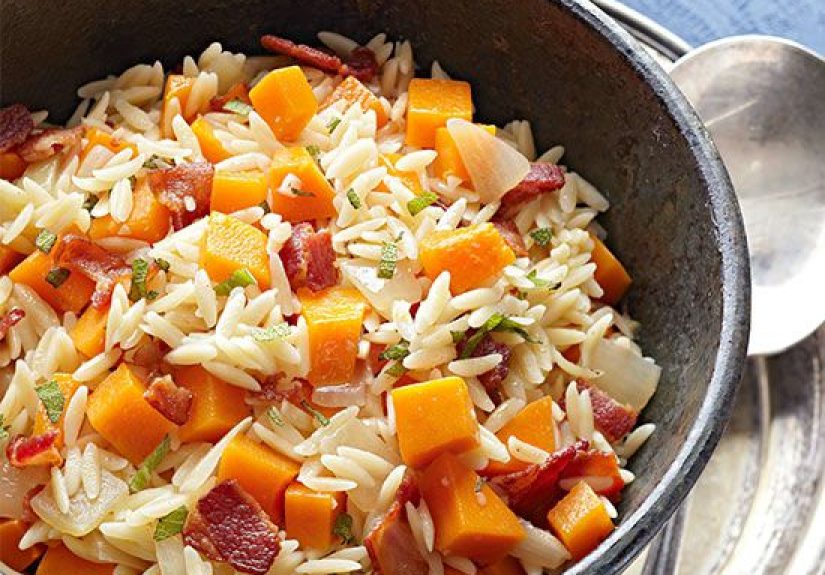
Orzo is a small pasta shaped like a large grain of rice. Despite the look-alike act, it is not rice. It is pasta, usually made from semolina or durum wheat, which means it cooks with the same general logic as other small pasta shapes. The big difference is size. Because orzo is tiny, it cooks quickly and evenly, making it ideal for fast meals, soups, pasta salads, skillet dinners, and creamy side dishes.
That rice-like shape is part of why people love it. It can slide into dishes where rice might normally appear, but it often cooks faster and feels a bit silkier on the plate. It also absorbs flavor beautifully, especially when simmered in broth instead of plain water.
Why Orzo Cooks Faster Than Rice
The short answer is simple: orzo is smaller and thinner than rice, so heat and liquid move through it quickly. Most dry orzo is done in about 8 to 10 minutes, depending on the brand and the cooking method. By comparison, standard stovetop white rice often needs around 15 to 18 minutes of simmering, plus a few minutes of resting before fluffing. Brown rice takes even longer.
That difference matters on busy nights. With orzo, you can boil water, cook the pasta, and finish a dish in about the same time rice is still under the lid doing its mysterious steam meditation. If your goal is speed without sacrificing comfort, orzo is the pantry MVP.
The Fastest Way to Cook Orzo
If you want the quickest, most foolproof result, treat orzo like pasta. This method is fast, flexible, and perfect when you want to add the cooked orzo to a salad, stir it into butter and herbs, or toss it with roasted vegetables, lemon, Parmesan, or olive oil.
Basic Boiled Orzo Method
Ingredients:
- 1 cup dry orzo
- 4 to 6 cups water
- 1 to 2 teaspoons kosher salt
- Optional: a little olive oil or butter after draining
Instructions:
- Bring a medium pot of generously salted water to a boil.
- Add the orzo and stir right away so it does not settle and stick.
- Cook for 8 to 10 minutes, or until al dente. Start checking early if your brand cooks quickly.
- Drain well.
- Toss with a small amount of olive oil or butter if you are not serving it immediately.
That is it. No lid-watching. No steam-resting. No wondering whether the bottom scorched while the top stayed weirdly damp. Orzo just cooks, drains, and gets on with its life.
The Creamier One-Pot Method
If you want more flavor and fewer dishes, cook orzo using an absorption method, almost like rice. Instead of boiling it in a big pot of water and draining it, you simmer it in a measured amount of broth or water until the liquid is absorbed. This creates a creamier texture and helps the starch thicken the dish slightly.
One-Pot Orzo Formula
- 1 cup dry orzo
- 2 cups broth or water
- 1 tablespoon olive oil or butter
- Aromatics such as garlic, onion, or shallot
- Salt, pepper, lemon, cheese, or herbs to finish
How to do it:
- Heat butter or olive oil in a skillet or saucepan.
- Cook onion or garlic for 1 to 2 minutes if using.
- Add the dry orzo and toast it for 1 to 3 minutes, stirring often.
- Pour in the broth or water.
- Bring to a simmer and cook, stirring occasionally, until the liquid is mostly absorbed and the orzo is tender.
- Finish with cheese, herbs, lemon juice, vegetables, or protein.
This method usually takes around 10 minutes once the liquid is added, and the flavor payoff is bigger than the effort suggests. Toasting the orzo first gives it a nuttier taste and helps it feel like you tried harder than you actually did. A beautiful system.
Boiled vs. One-Pot: Which Method Is Better?
Both methods work well, but each has a sweet spot.
Choose the boiled method when:
- You want the fastest, cleanest route
- You are making pasta salad
- You plan to mix the orzo into another dish later
- You want precise control over texture
Choose the one-pot method when:
- You want extra flavor
- You are making a creamy side dish
- You want fewer dishes to wash
- You are adding broth, greens, cheese, beans, or shredded chicken directly into the pan
If speed is your top priority, boiling wins by a small margin. If flavor and convenience matter just as much, one-pot orzo is hard to beat.
How to Keep Orzo From Getting Sticky or Mushy
Orzo is easy, but it does have one little personality trait: it likes to clump if ignored. Fortunately, the fix is simple.
Use these tips for better texture:
- Stir when it first goes in: This prevents it from sticking to the bottom of the pot.
- Do not overcook it: Orzo goes from pleasantly tender to soft and sleepy pretty quickly.
- Drain well: Extra water can leave it gluey.
- Toss warm orzo with a little fat: Olive oil or butter helps keep the grains separate.
- Rinse only for cold dishes: For a pasta salad, a quick rinse can stop the cooking and cool it down. For hot dishes, skip the rinse so the starch can help sauces cling.
That last point matters. Many cooks automatically rinse pasta out of habit, but hot orzo usually tastes better without it. The starch helps create a better sauce and a more cohesive dish.
Best Uses for Orzo
One of the best things about orzo is that it can wear several costumes without making a scene. It can be a side, a soup addition, a salad base, or the main event.
Easy ways to use cooked orzo:
- Lemon herb side dish: Toss with olive oil, lemon zest, parsley, and Parmesan.
- Creamy skillet dinner: Simmer in broth, then stir in spinach and cheese.
- Pasta salad: Mix with cucumbers, tomatoes, feta, olives, and vinaigrette.
- Soup booster: Add it near the end of cooking so it does not over-soften.
- Pantry meal: Combine with garlic, canned beans, broth, and red pepper flakes.
If rice often shows up next to roasted chicken, grilled shrimp, salmon, or vegetables in your kitchen, orzo can usually do the same job faster. And frankly, it tends to look a little more dressed for the occasion.
Common Mistakes to Avoid
1. Cooking it too long
Because the pieces are so small, even one or two extra minutes can push orzo past al dente. Start checking early.
2. Using too little water for the boiled method
Orzo releases starch as it cooks. In too little water, it can become gummy before it becomes tender.
3. Forgetting to season the water
Like other pasta, orzo benefits from salted cooking water. Otherwise, the final dish can taste flat even if the sauce is good.
4. Adding it too early to soup
If it sits too long in hot broth, it keeps softening. Add it close to the end or cook it separately if you want leftovers that stay nicely textured.
5. Not planning for carryover softness
Orzo continues to absorb moisture after cooking, especially in warm dishes. If you want a firmer bite, pull it off the heat just before it reaches your ideal texture.
How to Make Orzo Taste Even Better
Fast does not have to mean plain. A few small upgrades can make orzo taste restaurant-level without turning dinner into a project.
- Toast the dry orzo in butter or oil before adding liquid.
- Use broth instead of water.
- Finish with lemon juice or zest for brightness.
- Stir in grated Parmesan, Pecorino, or crumbled feta.
- Add fresh herbs such as basil, dill, parsley, or chives.
- Mix in spinach, peas, mushrooms, cherry tomatoes, or roasted zucchini.
Think of orzo as a blank canvas with very good time management. It gives you comfort-food energy without demanding a full evening commitment.
Can You Meal Prep Orzo?
Yes, and it works especially well for lunches. Cooked orzo holds up nicely in the refrigerator for several days when stored in an airtight container. For meal prep, slightly undercook it, then toss it with a little olive oil so it stays loose. It reheats well with a splash of water or broth, and it is also excellent cold in a salad.
A simple meal-prep formula is cooked orzo plus one protein, one vegetable, one cheese, and one bright dressing. For example: orzo, grilled chicken, cucumbers, feta, and lemon vinaigrette. Fast to make, easy to pack, and dramatically more appealing than another sad desk lunch.
Sample 15-Minute Orzo Side Dish
Here is a simple formula you can memorize and use on repeat.
Lemon Parmesan Orzo
- Boil 1 cup of orzo in salted water until al dente.
- Drain and return to the pot.
- Add 1 tablespoon butter, 2 tablespoons grated Parmesan, 1 teaspoon lemon zest, and a squeeze of lemon juice.
- Season with black pepper and toss with chopped parsley.
Serve it with salmon, chicken, shrimp, or roasted vegetables. It tastes fresh, cozy, and much fancier than the clock suggests.
Real Kitchen Experiences: Why Orzo Earns Its Spot
One of the biggest reasons home cooks fall for orzo is not just the cooking time. It is the way orzo solves dinner problems without acting smug about it. Rice can be wonderful, but it asks for patience. It wants a careful water ratio, steady heat, a lid that stays put, and a rest at the end. Orzo, by contrast, feels like the easygoing friend who arrives on time, helps set the table, and somehow still looks great in every photo.
In real kitchens, that difference matters. Maybe you start dinner at 6:12 when you meant to start at 5:45. Maybe the vegetables are chopped, the chicken is half seasoned, and somebody in the house is already asking when food will be ready. This is where orzo shines. A pot of salted water gets boiling, the orzo goes in, and within minutes you have a starch that is ready to become dinner. It is one of those ingredients that makes you feel oddly competent, even if the rest of the evening is held together by a potholder and positive thinking.
Orzo is also forgiving in the kinds of meals people actually make on busy nights. It works with leftover rotisserie chicken, half a bag of spinach, frozen peas, a lonely lemon, and whatever cheese is still hanging around in the deli drawer. It can become soup when the weather turns cold, pasta salad when the weather warms up, or a creamy skillet meal when everyone wants comfort but nobody wants a sink full of dishes.
There is also a texture advantage that people do not always expect. Orzo feels a little more delicate than rice, and in broth-based dishes it becomes silky instead of heavy. In cold salads, it mixes evenly with chopped vegetables and dressing, so every forkful feels balanced. You do not get the common rice-salad problem where one bite is all cucumber and the next bite is an existential pile of grains.
Many cooks also discover that orzo is an excellent confidence builder. If rice has ever burned, gone mushy, stayed crunchy, or staged a full boil-over on your stovetop, orzo can feel refreshingly low drama. Boil it and drain it, or simmer it one-pot style and stir now and then. Neither method asks you to whisper to the pot or trust the process with blind faith.
Over time, orzo tends to become one of those quiet pantry staples you reach for more often than expected. Not because it is trendy, and not because it is trying to replace rice forever, but because it is practical, flexible, and genuinely tasty. Some nights you want the fluffy comfort of rice. Other nights you want dinner in a hurry and a starch that is ready to cooperate. That is the moment orzo earns its keep again.
So if you are trying to cook smarter on weeknights, or simply want one more reliable trick in your back pocket, learning how to cook orzo in less time than rice is worth it. It is fast, versatile, and easy to dress up or down. And in the world of home cooking, an ingredient that saves time and still tastes great is not just helpful. It is heroic.
Conclusion
If you want a fast, flexible, and foolproof alternative to rice, orzo deserves a permanent place in your pantry. It cooks quickly, adapts to everything from soups to salads to creamy skillet meals, and usually reaches the table before white rice has finished resting. Boil it for speed, simmer it in broth for flavor, toast it for extra depth, and season it well. That is really the whole magic trick.
Once you know how to cook orzo in less time than rice, weeknight meals get easier. Not glamorous in a “professional chef juggling copper pans” kind of way. Better. More like “I made something delicious before everyone got cranky,” which is the sort of kitchen victory that actually matters.






 Close
Close