
Table of Contents >> Show >> Hide
- Squash 101: Summer vs. Winter (No, It’s Not About the Weather)
- How to Choose Squash That Actually Tastes Good
- Storage and Food Safety (Because Squash Shouldn’t Be a Science Experiment)
- Prepping Squash Without Starting a Wrestling Match
- The Best Ways to Cook Squash (With Timing You Can Actually Use)
- 1) Roasting (Best for flavor, caramelization, and bragging rights)
- 2) Sautéing (Best for zucchini and summer squash)
- 3) Grilling (Best for summer squash, also great for firm winter squash slices)
- 4) Steaming and boiling (Best for quick soft squash, purées, soups)
- 5) Microwaving (Best for speed and “I’m hungry right now”)
- 6) Air fryer (Best for crisp edges with less oven time)
- 7) Pressure cooker / Instant Pot (Best for hands-off softness)
- Cooking Specific Squashes: Quick Playbook
- Seasoning Ideas That Make Squash Taste Like a “Real Dish”
- Common Squash Mistakes (And How to Avoid Them)
- Easy Squash Meal Ideas (So You Use What You Cook)
- Kitchen Experiences: What Cooking Squash Teaches You (500+ Words)
- SEO Tags
Squash is the overachiever of the produce aisle. It can be buttery, sweet, nutty, crisp-tender, or spaghetti-adjacent (yes, that’s a real vibe).
The only “problem” is that squash comes in a lot of varieties, and each one has its own personalitykind of like your group chat.
The good news: once you learn a few simple cooking methods, you can cook almost any squash with confidenceand with fewer mysterious watery puddles on your plate.
This guide walks you through how to cook squash the smart way: how to pick the right type, how to prep it safely, and the best ways to roast, sauté,
steam, grill, microwave, and even pressure-cook it. You’ll also get seasoning ideas, specific timing ranges, and practical “don’t do this” tips that save dinner.
Squash 101: Summer vs. Winter (No, It’s Not About the Weather)
Summer squash
Summer squash (like zucchini, yellow squash, and pattypan) has thin, tender skin and a high water content.
It cooks fast and can go from “golden and lovely” to “sad and soggy” in a blink.
These are the squashes you sauté, grill, roast quickly, or spiralize when you want to feel like a wellness influencer for 12 minutes.
Winter squash
Winter squash (like butternut, acorn, kabocha, delicata, and spaghetti squash) has thicker skin, denser flesh, and a naturally sweet, nutty flavor.
It takes longer to cook, but it rewards you with caramelized edges, creamy purées, and “how is this vegetable so comforting?” energy.
How to Choose Squash That Actually Tastes Good
Summer squash shopping tips
- Go smaller: Smaller zucchini and yellow squash tend to be sweeter and less seedy.
- Look for gloss and firmness: The skin should look fresh, not wrinkly, and the squash should feel heavy for its size.
- Avoid soft spots: They’re basically spoilers for texture.
Winter squash shopping tips
- Pick it up: Choose one that feels heavy and solidlighter often means drier or older.
- Check the skin: It should be hard and matte, without deep cuts, mold, or weeping spots.
- Stem matters: A dry, intact stem is a good sign of proper curing and storage.
Storage and Food Safety (Because Squash Shouldn’t Be a Science Experiment)
Storing whole squash
Whole winter squash generally lasts much longer than summer squash. Store it in a cool, dry spot with airflow (think pantry or a cool basement shelf, not a humid corner).
Summer squash is more delicatekeep it in the refrigerator and use it sooner rather than later.
Storing cut or cooked squash
Once you cut squash, you’ve started the countdown. Refrigerate cut pieces in a sealed container and use them within a few days for best quality.
Cooked squash also belongs in the fridge promptly after it cools downdon’t let it hang out at room temperature like it paid rent.
Prepping Squash Without Starting a Wrestling Match
Basic wash and setup
- Rinse squash under running water and dry it (even if you’re peeling itdirt can ride the knife into the flesh).
- Use a stable cutting board. If it slides, put a damp paper towel underneath.
- Use a sharp knife. Dull knives require more force, which increases slipping risk.
How to cut tough winter squash safely
If your butternut or kabocha feels like you’re trying to cut a bowling ball, soften the situation:
- Microwave trick: Pierce the squash a few times with a fork or tip of a knife, then microwave in short bursts to slightly soften the skin (not to cook it fully).
- Trim for stability: Slice a thin piece off one side to create a flat base before you peel or cut further.
- Work in stages: Cut off the stem end, then split into manageable pieces instead of forcing one dramatic, cinematic cut.
To peel or not to peel
Some skins are tender and delicious when cooked; others are technically edible but feel like chewing a handbag.
A helpful rule of thumb:
- Usually don’t peel: delicata (skin gets tender), many thin-skinned squashes.
- Often peel: butternut and other thick-skinned squashes if you want a smoother bite or silky purée.
- It depends: kabocha can be edible after roasting, but the skin can stay firmpeel if you want a softer, more consistent texture.
The Best Ways to Cook Squash (With Timing You Can Actually Use)
1) Roasting (Best for flavor, caramelization, and bragging rights)
Roasting concentrates squash’s natural sweetness and gives you golden edges. It’s the method that makes people say,
“Waitthis is just a vegetable?” Yes. And it’s thriving.
How to roast winter squash cubes (butternut, kabocha, etc.)
- Heat oven to 400–425°F.
- Cut squash into 1-inch cubes for even cooking.
- Toss with oil, salt, and pepper. Add spices if you want (see flavor ideas below).
- Spread on a baking sheet in a single layer. Give pieces space so they roastnot steam.
- Roast 25–35 minutes, flipping once or twice, until tender and browned.
How to roast squash halves (acorn, delicata, spaghetti squash)
- Heat oven to 375–425°F (higher for more browning).
- Halve the squash lengthwise and scoop out seeds.
- Brush cut sides with oil or butter; season with salt.
- Roast cut-side down for steaming-soft flesh, or cut-side up for deeper browning on top.
- Typical roasting time: 25–60 minutes depending on type and size (spaghetti squash often cooks faster than giant acorn squash).
Pro roasting tip: If you want maximum browning, avoid overcrowding the tray. Moisture needs a way out.
If your squash is pale and soft instead of caramelized, your pan is probably too crowded (or your oven runs coolno shame, ovens are dramatic).
2) Sautéing (Best for zucchini and summer squash)
Sautéing is the fastest path to a weeknight side dish that doesn’t taste like compromise.
The secret is managing waterzucchini is basically delicious hydration with a green jacket.
How to sauté zucchini or yellow squash so it doesn’t get soggy
- Slice into ¼–½-inch rounds or half-moons (thin slices collapse faster).
- If you have time, lightly salt the slices and let them sit 10–15 minutes, then pat dry.
- Heat a skillet until hot; add oil.
- Add squash in a single layer (cook in batches if needed).
- Cook 2–4 minutes per side until browned and just tender.
- Finish with garlic, lemon, herbs, or cheese after the heat is off.
Common mistake: Stirring constantly. Let the squash sit so it can brown. Browning equals flavor. Flavor equals happiness.
3) Grilling (Best for summer squash, also great for firm winter squash slices)
Grilling adds smoky char and keeps things crisp-tender. Great for zucchini planks, yellow squash rounds, and even thicker wedges of winter squash (par-cooked first if very dense).
- Slice into thick planks or rounds so pieces don’t fall through the grates.
- Toss with oil, salt, and pepper.
- Grill over medium-high heat for 2–4 minutes per side (summer squash) until charred and tender.
- Finish with a squeeze of lemon or a drizzle of herby yogurt sauce.
4) Steaming and boiling (Best for quick soft squash, purées, soups)
These methods are not as flavorful as roasting, but they’re great when you need soft squash fastespecially for mashing, soups, or baby food.
- Steam: Cubed winter squash typically steams until tender in about 10–20 minutes depending on size.
- Boil: Similar timing, but boiling can waterlog flavoruse it when the squash is heading to a purée anyway.
5) Microwaving (Best for speed and “I’m hungry right now”)
The microwave is surprisingly good for spaghetti squash, softening tough skins before cutting, or cooking halved squash quickly.
If you love shortcuts, welcomeyou’re among friends.
- Whole spaghetti squash: Pierce the skin several times and microwave until tender enough to shred.
- Halves: Place cut-side down in a dish with a splash of water, cover, and cook until fork-tender.
6) Air fryer (Best for crisp edges with less oven time)
Air fryers act like small convection ovens. They’re great for zucchini coins, delicata half-moons, and butternut cubes.
The key is small batches so air can circulate.
- Cut into even pieces (½–1 inch thick).
- Toss with oil and seasoning.
- Air fry around 375–400°F, shaking halfway, until browned and tender (timing varies by machine and size).
7) Pressure cooker / Instant Pot (Best for hands-off softness)
Pressure cooking shines when you want very tender squash for shredding (spaghetti squash), soups, or mash.
Use a trivet and a bit of water so the squash steams under pressure.
Cooking Specific Squashes: Quick Playbook
How to cook butternut squash
- Roast cubes: 400–425°F until browned and tender.
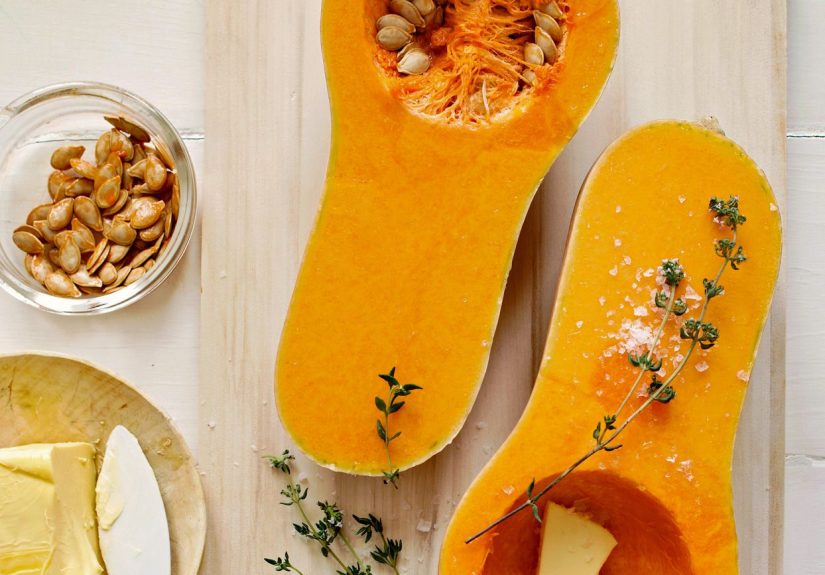
- Roast halves: Cut lengthwise, scoop seeds, roast until a knife slides in easily.
- Purée: Roast first for deeper flavor, then scoop and blend with butter, salt, and a splash of stock if needed.
How to cook acorn squash
- Best method: Roast halves or wedges.
- Stuff it: Roast halves until mostly tender, then fill with cooked grains, sausage, mushrooms, or beans and bake to finish.
- Flavor match: Maple, butter, chili, sage, and toasted nuts.
How to cook delicata squash
- Don’t peel: The skin becomes tender when roasted.
- Favorite shape: Half-moons or ringsseeds scoop out easily.
- Roast: High heat for quick caramelization.
How to cook spaghetti squash
- Roast: Halve, scoop seeds, roast until you can shred into strands with a fork.
- Microwave: Great for speed; watch texture so it doesn’t go mushy.
- Finish smart: After shredding, toss strands briefly in a hot pan with butter or oil to evaporate extra moisture.
How to cook kabocha squash
- Dense and sweet: Great roasted, mashed, or added to curries.
- Skin: Can be edible after long roasting, but peel for smoother eating if it’s tough.
- Shortcut: Roast it whole (pierced) to soften, then cut and finish cooking pieces.
Seasoning Ideas That Make Squash Taste Like a “Real Dish”
Classic savory
- Olive oil + salt + pepper + garlic + lemon
- Sage + brown butter + Parmesan
- Rosemary + thyme + roasted onions
Warm and spicy
- Cumin + smoked paprika + chili flakes
- Curry powder + ginger + coconut milk (especially for soups)
- Berbere-style spice blends with lime (amazing on roasted kabocha)
Sweet-leaning (but still dinner-appropriate)
- Maple + butter + pinch of salt
- Cinnamon + nutmeg + toasted pecans
- Honey + chili + vinegar (sweet, spicy, tangy = the holy trinity)
Common Squash Mistakes (And How to Avoid Them)
Mistake: “Why is my zucchini watery?”
You cooked it too long, sliced it too thin, or crowded the pan. Use thicker slices, high heat, and give pieces space. Pat dry if it’s extra juicy.
Mistake: “My roasted squash is soft but not browned.”
Your pan is overcrowded or lined in a way that traps moisture. Spread pieces out, use high heat, and roast until edges caramelize.
Mistake: “This winter squash is impossible to cut.”
That’s normal. Stabilize it, soften the skin briefly (microwave trick), and cut in stages. Also: sharp knife, steady board, calm energy.
Mistake: “My spaghetti squash is watery.”
Roast it a bit longer for drier strands, and finish the shredded squash in a hot pan to evaporate extra moisture before saucing.
Easy Squash Meal Ideas (So You Use What You Cook)
Weeknight wins
- Roasted butternut bowl: Roasted cubes + quinoa + chickpeas + tahini-lemon drizzle.
- Quick sauté: Zucchini + garlic + lemon + feta over rice or pasta.
- Spaghetti squash “pasta”: Toss strands with marinara and a handful of Parmesan, then broil 2 minutes.
Weekend comfort
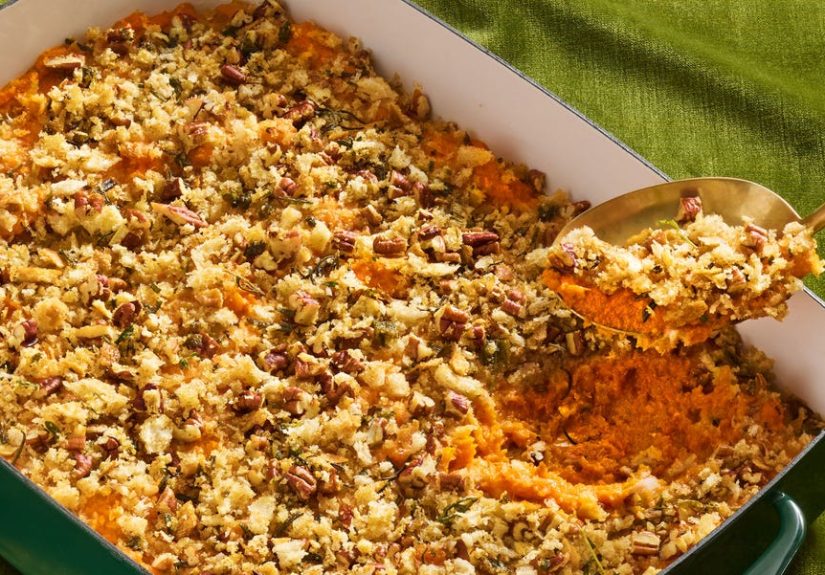
- Squash soup: Roast winter squash, blend with stock, onion, and a splash of cream or coconut milk.
- Stuffed acorn squash: Roast halves, fill with sausage-mushroom or black bean-corn mix, bake to finish.
- Sheet-pan dinner: Roasted squash + chicken thighs + onions + herbs (one pan, minimal drama).
Kitchen Experiences: What Cooking Squash Teaches You (500+ Words)
In real kitchens, squash tends to teach the same lessons over and overusually right after someone confidently says, “How hard can this be?”
The first lesson is humility, and it often arrives in the form of a stubborn winter squash that refuses to be cut neatly.
If you’ve ever tried to split a rock-hard kabocha and felt like the squash was judging your life choices, you’re not alone.
Many home cooks eventually discover that “prep” is half the battle with winter squashso the smartest move is to make prep easier, not tougher.
That’s why the microwave-soften trick and the “roast it whole first” approach feel like cheat codes: they turn a physically annoying task into a calm, predictable routine.
The second lesson is that summer squash has big “blink and it’s over” energy.
Zucchini is famous for soaking up heat and then releasing water like it’s trying to refill a swimming pool.
A common first attempt is tossing a pile of sliced zucchini into a lukewarm pan, stirring constantly, and then wondering why dinner looks like a vegetable spa treatment.
Over time, people learn that zucchini needs a hot skillet, breathing room, and a little patience.
When you let it sit undisturbed for a minute or two, browning happensand suddenly zucchini tastes like something you’d actually ask for again.
It’s a small shift that changes everything: less stirring, more searing.
Another recurring experience is discovering that different squashes have different “best uses.”
Butternut becomes a crowd-pleaser in soups and purées because it blends smooth and tastes naturally sweet.
Delicata becomes a fall favorite because the skin doesn’t need peeling and the slices roast quickly into caramelized half-moons.
Spaghetti squash becomes its own category: it’s not exactly pasta, but it is excellent when treated like a vegetable that wants a sauce, not a noodle that wants to impersonate wheat.
People who love it most usually do one extra stepafter roasting and shredding, they warm the strands in a hot pan to dry them out slightly.
That little bit of evaporation makes sauces cling better and keeps the texture from turning watery.
There’s also the “leftovers revelation.” Squash is one of those foods that can quietly upgrade your whole week if you cook it in bulk.
Roast a tray of butternut cubes or a whole kabocha, then repurpose it: toss into salads, fold into pasta, blend into soup, mash into a side dish,
or stir into oatmeal with cinnamon if you want to surprise yourself in a good way.
A lot of home cooks don’t start out as meal-prep people, but squash nudges them in that direction because it’s so versatile once cooked.
And because winter squash holds up well, it’s the kind of prep that feels worth itless like a chore, more like setting Future You up for success.
Finally, cooking squash teaches a simple truth: flavor usually comes from technique, not fancy ingredients.
The difference between “meh” squash and “wow” squash is often just high heat, enough space on the pan, and the right finishing touchsalt, acid (like lemon or vinegar),
fresh herbs, or a little cheese. Squash doesn’t need a complicated plan. It needs a good method and a confident final seasoning.
Once you learn those patterns, squash stops being confusing and becomes one of the easiest, most forgiving vegetables to keep in rotation.




 Close
Close