
Table of Contents >> Show >> Hide
- Crystal Anthurium Basics: What You’re Actually Growing
- Light: Bright Indirect Is the Sweet Spot
- Watering: Moist, Not Soggy (A Tightrope Walk)
- Humidity: The Not-So-Secret Ingredient for Big Leaves
- Temperature and Airflow: Warm, Stable, and Not Drafty
- Soil Mix: Go Chunky Like an Aroid Chef
- Pot Choice and Drainage: Roots Need Escape Routes
- Fertilizing: Feed Lightly, Consistently
- Repotting: When (and How) to Upgrade Without Panic
- Propagation: Make More Plants (Legally and Morally)
- Common Problems and Fixes (Because Plants Don’t Come With Tech Support)
- Pests: The Uninvited Guests
- Care Routine: A Simple Weekly Checklist
- Crystal Anthurium vs. Similar Plants (Avoiding “Oops, Wrong Plant”)
- Real-World Experiences: What Growers Learn the Hard Way (500+ Words)
- Conclusion: The “Crystal Anthurium” Recipe for Success
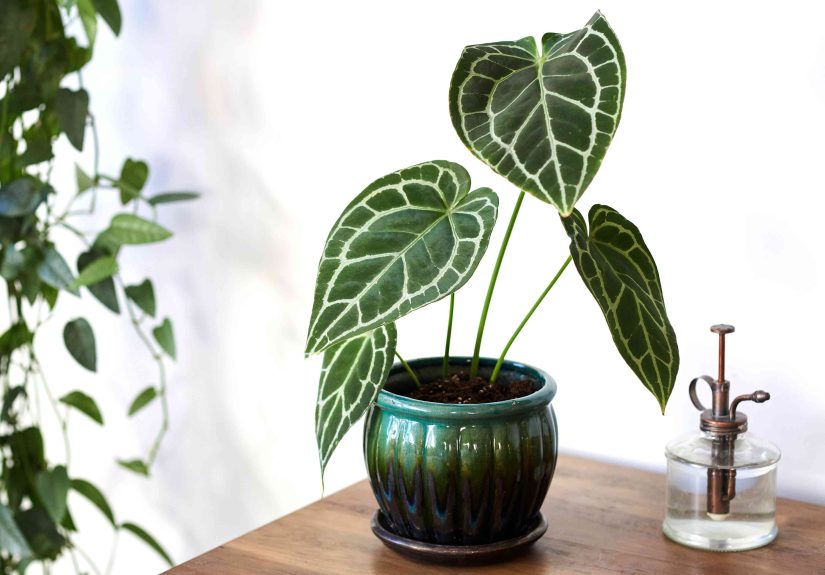
Crystal Anthurium (most commonly Anthurium crystallinum) is the plant equivalent of a velvet jacket:
dramatic, elegant, and just a little high-maintenancelike it knows you’ll forgive it because the leaves are
basically living artwork. With their deep green, velvety texture and bright, silvery veins, crystal anthuriums
are a favorite “wow” plant for collectors and beginners who are ready to level up.
The good news: you don’t need a rainforest in your living room. You just need to copy a few rainforest “vibes”:
warm temperatures, high humidity, bright indirect light, and a chunky, breathable soil mix that lets roots
breathe (because these plants hate wet feet like cats hate bath time).
Crystal Anthurium Basics: What You’re Actually Growing
“Crystal anthurium” is a common name used for velvet-leaf anthuriums, especially Anthurium crystallinum.
It’s an aroid (like monstera and philodendron), and in nature it often grows in humid tropical environments,
sometimes as an epiphyte or semi-epiphytemeaning it’s used to airy roots and quick drainage.
Unlike the classic red “flamingo flower” anthuriums grown for blooms, crystal anthurium is grown for foliage.
It can flower, but the real show is the leaves. Your goal is to keep the plant steadily producing larger,
healthier leaves over time.
Light: Bright Indirect Is the Sweet Spot
If crystal anthurium had a dating profile, it would say: “Love the spotlight, hate direct sun.” Give it
bright, indirect light for the best leaf size, strong growth, and crisp vein contrast.
Best light setups
- Near an east-facing window with gentle morning sun (often perfect).
- South or west window with a sheer curtain or a few feet back from the glass.
- Grow lights if your home is dimgreat for winter and apartment corners.
Signs your light is off
- Too little light: slow growth, smaller leaves, long leggy petioles (stems reaching).
- Too much sun: faded patches, crispy brown spots, leaf scorch (especially midday sun).
Watering: Moist, Not Soggy (A Tightrope Walk)
The fastest way to upset a crystal anthurium is to keep it constantly wet. The second fastest way is to let it
go bone-dry for too long. You’re aiming for consistent moisture with oxygen around the roots.
A simple watering method that actually works
- Check the top 1–2 inches of the potting mix.
- If it feels dry, water thoroughly until water drains out.
- Empty the saucer so the pot never sits in runoff.
In many homes, this ends up being about once a week in warmer months and less often in winter, but the plant’s
schedule depends on your light, pot size, and humiditynot the calendar.
Water quality matters more than you think
Many growers notice fewer brown tips and less mineral buildup when using filtered, distilled, or rainwater.
Hard tap water can leave salts in the soil over time, which may irritate sensitive roots and leaf edges.
Humidity: The Not-So-Secret Ingredient for Big Leaves
Crystal anthurium can survive in average household humidity, but it thrives (and looks dramatically better) with
higher humidity. Think 60%+ if you want lush, oversized leaves without crispy edges.
Realistic ways to increase humidity
- Humidifier: the easiest and most consistent option (and your skin may thank you too).
- Plant cabinet/greenhouse shelf: great for collectors and faster growth.
- Grouping plants together: modest help, best paired with other methods.
- Pebble tray: limited impact, but can slightly help around the plant’s base.
Skip the “mist it daily” plan unless you enjoy chores that don’t do much. Misting is temporary and can raise the
risk of leaf spotting if airflow is poor.
Temperature and Airflow: Warm, Stable, and Not Drafty
Crystal anthurium prefers warm temperaturesgenerally 65–85°F. Avoid cold drafts, blasting AC vents,
and winter windowsills that turn into leaf-freezer zones at night.
Also: airflow matters. High humidity plus stagnant air can encourage fungal issues. A small fan on low (not pointed
directly at the plant) helps keep leaves dry and roots healthier.
Soil Mix: Go Chunky Like an Aroid Chef
Regular potting soil alone is usually too dense for crystal anthurium. These roots love oxygen. Use an
aroid mix that drains fast but still holds enough moisture to prevent constant dry-outs.
A strong crystal anthurium potting mix
- Orchid bark (chunky drainage + airflow)
- Perlite or pumice (lightens and aerates)
- Coco coir or quality potting mix (moisture retention)
- Charcoal (optional, helps keep mix fresher)
- Worm castings (optional, gentle nutrition)
The goal is a mix that feels springy and airy in your handnot like mud. If you squeeze it and it compacts into
a brick, your anthurium is already writing a complaint letter.
Pot Choice and Drainage: Roots Need Escape Routes
Always use a pot with drainage holes. Many growers like clear nursery pots (inside a decorative cachepot) because
you can see root health and moisture levels. Terracotta can work, but it dries fastergreat if you tend to
overwater, stressful if you forget watering days.
How big should the pot be?
Slightly snug is fine. Oversized pots hold too much wet mix and increase root rot risk. When repotting, go up
about 1–2 inches in diameter, not “this pot looks lonely, let’s buy it a mansion.”
Fertilizing: Feed Lightly, Consistently
Crystal anthurium isn’t a heavy feeder, but it appreciates steady nutrients during active growth. Use a balanced
liquid fertilizer at a weak dilution (often 1/4 strength) every few weeks in spring and summer.
Fertilizer tips that prevent drama
- Fertilize on moist soilnever bone-dry roots.
- Reduce or pause feeding in winter if growth slows.
- Flush the pot with plain water occasionally to reduce salt buildup.
Repotting: When (and How) to Upgrade Without Panic
Repot when roots circle the pot, poke from drainage holes, or the mix breaks down into dense, water-holding
compost. Many plants need repotting every 1–2 years depending on growth speed and soil quality.
Simple repotting steps
- Choose a slightly larger pot with drainage.
- Gently remove the plant and loosen the outer roots.
- Trim any mushy, black, or smelly roots with clean scissors.
- Place into fresh airy aroid mix at the same depth as before.
- Water lightly, then let it settle into its new home.
Expect mild sulking after repotting. It’s normal. Just don’t “help” by overwatering. That’s how innocent
repotting turns into a root rot thriller.
Propagation: Make More Plants (Legally and Morally)
Crystal anthurium is commonly propagated by division or by rooting a stem section with a node.
If your plant has multiple growth points or offshoots, division is often the simplest.
Propagation by division
- Unpot the plant and gently remove loose mix.
- Identify separate sections with their own roots and at least one growth point.
- Carefully separate (use a clean blade only if needed).
- Pot each section into airy mix and keep warm and humid while it establishes.
Propagation by node/stem section
If you have a stem with a node (a bump where roots can form), you can root it in moist sphagnum moss, perlite,
or a chunky propagation mix. Keep humidity high and avoid soaking wet media. Warmth speeds rooting.
Common Problems and Fixes (Because Plants Don’t Come With Tech Support)
Yellow leaves
- Most common cause: overwatering or waterlogged soil.
- Fix: let the mix dry slightly, check root health, switch to a chunkier mix if needed.
- Also possible: low light or natural aging of the oldest leaf.
Brown tips or crispy edges
- Most common cause: low humidity, inconsistent watering, or mineral/salt buildup.
- Fix: raise humidity, water more consistently, consider filtered water, flush the soil.
Droopy leaves
- Dry mix: water thoroughly and check more frequently.
- Overwatering/rot: check roots; droop can happen when roots can’t absorb water.
Slow growth
- Usually needs more light (still indirect) and warmer temps.
- Check whether the soil is old/compacted and starving roots of oxygen.
- Consider gentle fertilizer during active growth months.
Pests: The Uninvited Guests
Crystal anthurium can attract common houseplant pests like spider mites, mealybugs, thrips, and scale
especially in dry indoor air. Catching pests early is half the battle.
Practical pest control routine
- Inspect leaf undersides weekly (yes, weeklypests love surprise parties).
- Wipe leaves with a damp cloth to remove dust and early pests.
- For infestations, isolate the plant and treat with insecticidal soap or horticultural oil.
- Repeat treatments because pests don’t quit after one message.
Care Routine: A Simple Weekly Checklist
- Check moisture: water only when the top layer dries.
- Check leaves: look for pests, dust, and early spotting.
- Rotate the pot: keep growth even and prevent leaning.
- Monitor humidity: adjust humidifier or cabinet vents if needed.
Crystal Anthurium vs. Similar Plants (Avoiding “Oops, Wrong Plant”)
Crystal anthurium is often confused with other velvet-leaf anthuriums like Anthurium clarinervium.
Clarinervium typically has thicker, more heart-shaped leaves and more pronounced white veining. Care is similar,
but clarinervium can tolerate slightly lower humidity than crystallinum in many home setups.
Regardless of the exact species, the core care principlesbright indirect light, airy mix, warmth, humidity,
and careful wateringstay the same.
Real-World Experiences: What Growers Learn the Hard Way (500+ Words)
The most common “experience lesson” with crystal anthurium is that it’s not a complicated plantit’s a
consistency plant. Many people start strong for two weeks, then drift into chaos. One week it gets drenched
“just in case,” the next week it’s forgotten because life happens, and suddenly the leaf edges look like
toasted paper. Crystal anthurium rewards stable care more than dramatic rescues.
A frequent turning point for growers is discovering how much the potting mix changes everything. In a dense,
peat-heavy soil, the plant might look okay for a while, but roots slowly lose oxygen. The plant responds with
yellowing leaves, drooping, or a stubborn refusal to grow. Then, once you switch to a chunky aroid mixbark,
perlite, and a moisture-holding baseyou often see a noticeable improvement: faster new leaves, sturdier
petioles, and fewer “mystery” issues. It’s not magic. It’s air.
Another common experience is humidity “reality.” Plenty of people keep crystal anthurium alive at average
household humidity, but they notice the plant looks bettermore plush, less crispyonce humidity goes up.
Growers who add a small humidifier near their plant shelf often report fewer brown tips and smoother leaf
unfurling. Leaf unfurling is a big one: in drier air, new leaves can emerge slowly, stick a little, or come out
with minor creases. Add humidity and gentle airflow, and the plant acts like it just got a spa membership.
Many growers also learn that “more water” is rarely the answer. When a plant droops, it’s tempting to water
immediately. But crystal anthurium can droop both when it’s thirsty and when roots are struggling from too much
moisture. Experienced plant parents pause and check the mix firsttouch it, lift the pot, look for drainage,
and (if they’re using a clear nursery pot) peek at the roots. Healthy roots tend to look firm and pale, while
rot-affected roots can look dark, mushy, or stringy. That quick check prevents a lot of accidental overwatering.
Lighting lessons are equally personal. A crystal anthurium kept too far from a window may survive but won’t
perform. Growers often describe it as “stuck”no new leaves, or tiny leaves that never size up. Moving it to a
brighter spot (still indirect) or adding a grow light can make it take off. The fun part is watching the
progression: each new leaf gradually gets bigger, and the veins become more striking. It’s like the plant is
saying, “Oh, we’re doing this seriously now? Great.”
Finally, there’s the emotional journey: crystal anthurium teaches patience. It’s not an instant-gratification
plant, especially after shipping, repotting, or environmental changes. It may pause, then suddenly push a new
leaf weeks later. Growers learn to celebrate the small wins: a clean unfurl, a slightly larger leaf, a stronger
petiole. Over time, those small wins stack into the real payoffan impressive, velvety plant that looks like it
belongs in a museum… or at least in the background of your best “plant shelf” photos.
Conclusion: The “Crystal Anthurium” Recipe for Success
If you remember only a few things, make it these: give crystal anthurium bright indirect light, keep it warm,
boost humidity when you can, water only when the top layer dries, and use an airy, chunky aroid mix. Do that,
and it’ll reward you with bigger leaves, bolder veins, and the kind of plant glow-up that makes you feel like a
professionaleven if you still occasionally Google “why is my plant mad at me.”






 Close
Close