
Table of Contents >> Show >> Hide
- What Are Fava Beans?
- Why Gardeners Love Growing Broad Beans
- Best Time to Plant Fava Beans
- How to Choose the Right Growing Spot
- How to Plant Fava Beans
- How to Care for Fava Beans
- Common Problems With Fava Beans
- When and How to Harvest Fava Beans
- How to Use and Store Fava Beans
- Can Fava Beans Improve Your Soil?
- Important Safety Note About Eating Fava Beans
- Common Mistakes to Avoid
- Real-World Growing Experiences With Fava Beans
- Conclusion
- SEO Tags
Fava beans, also called broad beans, are the kind of crop that makes a gardener feel wildly competent. You plant them when the weather is still cool, they stand up like little green soldiers, and then they reward you with thick, velvety pods full of buttery beans. Not bad for a plant that asks for much less drama than tomatoes.
If you have never grown fava beans before, here is the quick pitch: they are a cool-season crop, they tolerate chilly weather better than many other beans, and they can even improve your soil because they are legumes. In practical terms, that means you get food for the kitchen and a little garden-side bonus at the same time. That is what I call a bean with range.
This guide covers everything you need to know about growing and caring for fava beans at home, from picking the right planting window to harvesting pods at their tastiest stage. Whether you call them fava beans or broad beans, the goal is the same: healthy plants, plenty of pods, and fewer gardening regrets.
What Are Fava Beans?
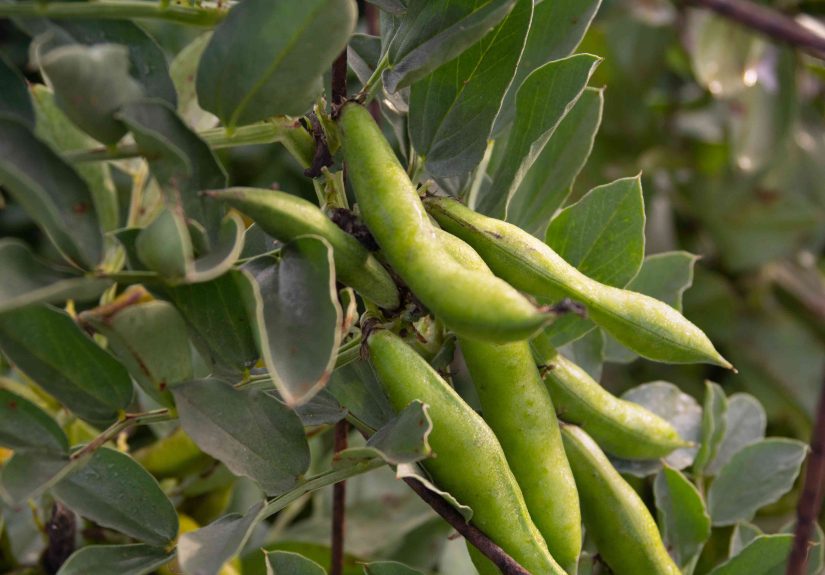
Fava beans are Vicia faba, a cool-season legume grown for their edible seeds and sometimes for their young pods. Unlike twining pole beans, fava plants are usually upright, sturdy, and thick-stemmed. Many varieties grow between 2 and 5 feet tall, depending on climate and cultivar.
The plants have square, hollow stems, broad gray-green leaves, and striking flowers that often look white with dark markings. They are handsome enough to earn a place in an ornamental bed, but they are much more useful than most pretty plants. You cannot make hummus out of a hydrangea. Well, not successfully.
Fava beans are also popular as a cover crop because they help fix nitrogen. For home gardeners, that means they can support soil health in addition to producing a harvest. Just do not assume that more nitrogen is always better. With legumes, overfeeding can create big leafy plants and disappointingly modest pod production.
Why Gardeners Love Growing Broad Beans
One of the best things about broad beans is timing. While many vegetables sulk in cold spring weather, fava beans are just getting started. In mild winter climates, they can even be planted in fall and harvested in spring. In colder areas, they are usually sown as early as the soil can be worked in spring.
They are also fairly self-sufficient. Fava beans do not usually need a trellis, though taller plants may appreciate light support. They are self-fertile, which means pollinators are welcome visitors but not a strict requirement for pod production. Add in their good looks and their soil-building habit, and suddenly these beans start to sound a little overqualified.
Best Time to Plant Fava Beans
Timing is the whole game with fava beans. These plants prefer cool weather and perform best when temperatures stay mild. In many gardens, the sweet spot is around the 60s Fahrenheit. Once weather turns hot, flowering and pod set can decline fast.
In colder parts of the United States, sow fava beans in early spring as soon as the soil can be worked. Do not wait for tomato weather. By then, your fava beans will already be writing a complaint letter. In mild-winter regions, especially parts of the West, South, and Mid-Atlantic, gardeners often sow them from fall into late winter for a spring harvest.
A simple rule works well: plant fava beans so the plants flower and fill pods before sustained heat arrives. If your summers heat up early, plant earlier. If your winters are gentle, fall sowing may give you the strongest plants and the earliest crop.
How to Choose the Right Growing Spot
Sunlight
Fava beans grow best in full sun. Give them at least 6 hours of direct light a day, though closer to 8 hours is even better for sturdy growth and solid yields. In warmer regions, a little afternoon relief is not the end of the world, but these are not true shade plants.
Soil
Choose well-drained soil. Fava beans can tolerate heavier soils better than some legumes, but soggy ground is still a bad idea. If water lingers after rain, improve drainage with compost or plant in raised beds. The ideal soil is fertile, loose enough for roots to expand, and slightly acidic to neutral.
Before planting, mix in compost or other organic matter. This improves structure and supports steady moisture without turning the bed into a swamp. Broad beans like consistent moisture, not a mud bath.
Air Circulation
Do not crowd your plants. Good spacing improves airflow, lowers disease pressure, and makes it easier to spot pests before they hold a family reunion on your bean patch.
How to Plant Fava Beans
Fava beans are best direct-sown into the garden. Like many legumes, they dislike unnecessary root disturbance, so skip the transplant drama unless you absolutely need to start them in containers.
Planting Depth and Spacing
Sow seeds about 1 to 2 inches deep. For home gardens, a practical spacing is about 4 to 6 inches between seeds, then thin or allow plants to stand roughly 8 to 10 inches apart if needed. Rows can be spaced 18 to 36 inches apart depending on your bed size, variety, and how much elbow room you want while harvesting.
If you are planting in a small raised bed, block planting works too, as long as you keep enough space for airflow. Crowding may look efficient on planting day, but it often turns into a fungal soap opera later.
Should You Inoculate the Seeds?
If beans or peas have not been grown in that soil before, using the correct legume inoculant can help with nitrogen fixation. It is not always necessary in established vegetable gardens, but it can be useful in new beds or ground that has never hosted legumes.
How to Care for Fava Beans
Watering
Keep the soil evenly moist, especially from flowering through pod set. This is when the plants are doing their most important work, and inconsistent moisture can lead to poor pod development or blossom drop. A general target of about 1 inch of water per week works well in many gardens, adjusted for rainfall and soil type.
Water at the base of the plant instead of wetting the leaves when possible. Morning watering is especially helpful because foliage dries more quickly, which can reduce disease problems.
Feeding
Go easy on fertilizer. Broad beans do not need heavy nitrogen feeding, and too much nitrogen can push leafy growth at the expense of pods. If your soil is reasonably fertile and you added compost before planting, that is often enough. If a soil test suggests a deficiency, use a balanced approach instead of throwing nitrogen at the bed like confetti.
Mulching
Once seedlings are established, apply a light organic mulch to help conserve moisture and suppress weeds. Straw, shredded leaves, or untreated grass clippings can all work. Keep mulch a little away from the stems so the crowns are not constantly damp.
Support
Fava beans are not climbers, but taller varieties can lean once pods start to fill. In windy gardens or especially rich soil, a few stakes and some twine may keep the row tidy. Think of it as polite support, not a full engineering project.
Common Problems With Fava Beans
Aphids
Aphids are one of the most common pests on fava beans, especially on soft new growth. Heavy infestations can weaken plants, curl leaves, and reduce vigor. Check the growing tips and undersides of leaves regularly. A hard spray of water, removal of badly infested tips, or insecticidal soap can help if populations build up. Encouraging beneficial insects also gives you some extra backup.
Fungal Diseases
Chocolate spot, rust, and other moisture-related problems can show up when plants are crowded or foliage stays wet for long periods. The best defense is garden common sense: rotate crops, avoid overhead watering when possible, give plants space, and do not work around them when they are wet.
Heat Stress
If your broad beans are blooming but not setting pods well, rising temperatures may be the culprit. Fava beans are not summer superstars. Once the weather turns genuinely hot, production usually slows or stops. This is normal, not personal.
When and How to Harvest Fava Beans
You can harvest fava beans at several stages, depending on how you want to eat them.
For whole pods, pick them young while they are still tender. At this stage, the pods are smaller and less fibrous. For shelling beans, wait until the pods are large, plump, and clearly filled out. Many gardeners prefer this stage because the beans are full-sized but still green and tender.
You can also let pods mature and dry on the plant for dry beans, though this works best in climates with a dry finish to the season. If rain threatens, harvest mature pods and finish drying them under cover.
Expect shelling yields to look a little humbling at first. A pile of pods often turns into a smaller bowl of beans than beginners imagine. That is not a failure. That is just fava math.
How to Use and Store Fava Beans
Fresh shelling beans can be steamed, boiled, sautéed, mashed, or added to soups, stews, and salads. Many cooks blanch and peel the beans for the smoothest texture, especially when the seeds are more mature. Young pods can also be eaten whole when harvested small and tender.
If you have a big harvest, fava beans freeze well after blanching. Dry beans can be stored once fully cured, just like other dry legumes.
Can Fava Beans Improve Your Soil?
Yes, and this is one reason gardeners love them. As legumes, fava beans can help fix nitrogen with the help of soil bacteria. They are also used as a winter cover crop in many regions. If you are growing them partly for soil improvement, chop the plants after harvest and compost them or incorporate the residue according to your garden system.
That said, the big win is long-term soil support, not instant fertilizer magic. Think of fava beans as helpful team players in crop rotation, not miracle workers in green costumes.
Important Safety Note About Eating Fava Beans
Some people have a genetic condition commonly linked with G6PD deficiency and favism, which can trigger a serious reaction after eating fava beans or, in some cases, even inhaling the pollen. If you or someone in your household has a history of this condition, do not treat fava beans like a casual kitchen experiment. Get medical guidance first.
Common Mistakes to Avoid
The biggest mistake is planting too late. Fava beans and hot weather are not best friends, and once summer heat arrives, the plants often lose momentum.
The second mistake is overfeeding. Rich compost is great. Excess nitrogen is not. You want pods, not a jungle.
The third mistake is ignoring spacing. Broad beans may look neat and compact when small, but crowded plants trap humidity, invite disease, and make harvesting more annoying than it needs to be.
Real-World Growing Experiences With Fava Beans
Gardeners who grow fava beans for the first time usually have the same reaction somewhere around week three: “Wait, these are actually beautiful.” Before the pods ever show up, the plants already look impressive. The stems are thick, the leaves are soft-looking but sturdy, and the flowers can be unexpectedly showy. In a vegetable bed full of practical-looking plants, broad beans often look like they wandered in from a cottage garden and decided to stay.
Another common experience is surprise at how early the crop wants to start. People who are used to waiting for warm weather often hesitate to plant them, then realize fava beans are happiest before the rest of the summer cast has even shown up. In many home gardens, they become the crop that teaches patience in one direction and urgency in another. You wait for spring, but not too long. Miss the cool window, and the beans politely refuse to become the stars you hoped for.
Many growers also notice how upright and disciplined the plants look at first, only to become a little floppy once the pods begin filling. That is usually the point when a gardener who said, “These won’t need support,” returns with twine, stakes, and a slightly humbled expression. Not every planting will need help, but a breezy site or a heavy pod set can absolutely turn a neat row into a bean traffic jam.
One of the most repeated observations about fava beans is that harvesting feels abundant right up until shelling begins. The pods are thick and satisfying to pick. They look generous. Then you open them and discover the timeless truth of shelling crops: nature has a strong sense of portion control. A basket of pods may become a modest bowl of beans, but the flavor is worth it. Fresh favas have a richness and creamy texture that canned or dried versions do not quite match.
Gardeners also tend to remember the first time aphids appear. Fava beans produce lush growing tips that aphids seem to treat like a luxury buffet. The experience is almost universal: one day the plants look perfect, and the next day you are squinting at the top leaves wondering why they suddenly seem sticky and crowded. The good news is that early action usually works. Regular checks, a strong spray of water, and removing heavily infested tips can keep the problem manageable before it gets ridiculous.
There is also the satisfaction factor. Fava beans are not the easiest vegetable for instant gratification because they take a few months and reward good timing more than constant fussing. But that is exactly why many gardeners grow attached to them. They feel old-fashioned in the best way. You sow them early, watch them power through cool weather, admire the flowers, and finally harvest when the garden still has not hit full summer stride. It feels like getting ahead of the season.
Then there is the soil benefit, which gardeners often appreciate more after the harvest than before it. Once the pods are picked, the remaining plants still seem useful. Many people cut them down, compost the tops, and leave the roots or use the residue as part of a crop rotation plan. Even if you started out growing fava beans purely for the kitchen, you often finish the season feeling like they earned their space twice: once on the plate, and once in the soil.
In short, the real experience of growing fava beans is a mix of cool-weather timing, mild suspense, small victories, and delicious payoff. They are not flashy in the tomato sense, and they are not effortless in the zucchini sense. They are better than both in one special way: when fava beans do well, you feel like you know what you are doing.
Conclusion
Fava beans are one of the smartest crops for gardeners who want a productive cool-season vegetable with bonus soil benefits. Plant them early, give them sun and well-drained soil, keep moisture steady, and do not overdo the fertilizer. Watch for aphids, harvest at the stage you prefer, and remember that timing matters more than coddling. If you catch their cool-weather window, broad beans can be one of the most rewarding crops in the garden.






 Close
Close