
Table of Contents >> Show >> Hide
- Before You Mix Anything: The 60-Second Safety Check
- Your DIY Carpet-Cleaning Toolkit (Simple, Cheap, Useful)
- The Best Homemade Carpet Cleaning Solutions (By Situation)
- 1) The Gentle “Everyday Spot Cleaner” (Most Carpets, Most Spills)
- 2) The Fizzy Deodorizing Cleaner (Odors + Light Stains)
- 3) Coffee, Tea, and “Oops-I-Missed-the-Mug” Stains
- 4) Grease and Oily Spots (Pizza, Lotion, Makeup)
- 5) Pet Accidents (Urine, Vomit, “Why Is the Carpet Wet?”)
- 6) Blood and Other Protein Stains (Handle With Cool Heads)
- How to Clean a Carpet Stain Like a Pro (The 7-Step Method)
- Can You Use DIY Solutions in a Carpet Cleaning Machine?
- Common DIY Mistakes (That Make Carpets Worse)
- Important Warning: Cleaning Chemical Combos to Avoid
- FAQ: Quick Answers People Actually Want
- Conclusion: Clean Carpets Without the Drama
- Real-World Experiences: What Usually Happens When People DIY Carpet Cleaning (And What They Learn)
Carpets are basically cozy sweaters for your floorswarm, soft, and somehow always collecting snacks they didn’t pay for.
The good news: you don’t need a chemistry degree (or a garage full of mystery bottles) to make an effective carpet cleaning solution.
You just need the right ingredients, the right ratios, and one crucial rule: blot, don’t rubunless you enjoy turning a small stain into modern art.
Before You Mix Anything: The 60-Second Safety Check
- Test first: Try your solution on a hidden corner (like inside a closet). Wait 10–15 minutes and check for color change.
- Blot, don’t scrub: Scrubbing pushes stains deeper and frays fibers. Blot with a clean white cloth.
- Don’t over-wet: Soaking the padding can cause lingering odors and slow drying.
- Ventilate: Open windows or run a fanespecially if you’re using vinegar or hydrogen peroxide.
- Never mix risky chemicals: Bleach + ammonia (and a few other combos) can create toxic gases. More on that below.
Your DIY Carpet-Cleaning Toolkit (Simple, Cheap, Useful)
Keep these on hand and you can handle most everyday carpet chaos:
- Distilled white vinegar (deodorizes and helps loosen many common stains)
- Liquid dish soap (cuts oily grimeuse a tiny amount)
- Baking soda (odor absorber and gentle abrasive for pre-treatment)
- 3% hydrogen peroxide (great on some stains, but can lighten dyespatch test is non-negotiable)
- Warm water (helps dissolve residues; cool water is better for protein stains like blood)
- Spray bottle + measuring spoons
- White microfiber cloths or paper towels
- Soft brush (optional for textured carpetsuse gently)
The Best Homemade Carpet Cleaning Solutions (By Situation)
1) The Gentle “Everyday Spot Cleaner” (Most Carpets, Most Spills)
This is your go-to for food drips, tracked-in dirt, and “what even is that?” spots.
It’s gentle, low-cost, and usually safe on synthetic carpets when used correctly.
Mix:
- 1 cup warm water
- 1 cup white vinegar
- 1 teaspoon liquid dish soap
How to use:
- Blot up anything wet first (paper towels, then a clean cloth).
- Lightly mist the solution onto the stain. Don’t drench.
- Let it sit 5 minutes.
- Blot from the outside edge toward the center.
- Rinse by misting plain water, then blot again (this prevents sticky residue).
- Press a dry towel on top and weigh it down for 10–20 minutes.
- Air-dry fully. A fan helps a lot.
2) The Fizzy Deodorizing Cleaner (Odors + Light Stains)
Baking soda plus vinegar is the classic “science fair volcano,” but used gently, it can help with mild stains and smells.
The trick is to add baking soda slowly so it doesn’t foam over like an excited latte.
Mix (in a bowl first):
- 2 cups water
- 2 cups white vinegar
- 2 tablespoons baking soda (add slowly)
- Optional: a few drops of essential oil for scent (skip if you have pets sensitive to fragrances)
How to use: Transfer to a spray bottle, mist lightly, gently work with a cloth, then blot and rinse with plain water.
3) Coffee, Tea, and “Oops-I-Missed-the-Mug” Stains
Tannin stains (like coffee and tea) respond well to a mild detergent + vinegar mix.
Time matters: the sooner you blot, the less the stain becomes a permanent roommate.
Mix:
- 1 cup warm water
- 1 tablespoon white vinegar
- 1/4 teaspoon liquid dish soap
How to use: Sponge the stain with a white cloth (don’t pour), blot dry, repeat as needed, then rinse with plain water and blot again.
4) Grease and Oily Spots (Pizza, Lotion, Makeup)
Grease hates soap (in a good way). But too much soap makes carpets crunchy, so measure like you mean it.
Option A: Dry first (best for fresh grease)
- Cover the spot with baking soda or cornstarch.
- Let sit 15–30 minutes to absorb oil.
- Vacuum thoroughly.
Then use this mix:
- 2 cups warm water
- 1/2 teaspoon dish soap
How to use: Dab with a cloth, blot dry, rinse with plain water, blot again.
5) Pet Accidents (Urine, Vomit, “Why Is the Carpet Wet?”)
Pet stains are two problems: the visible mark and the invisible residue that keeps inviting repeat performances.
DIY solutions can help, but enzymatic cleaners are often the most effective because they break down odor-causing proteins.
Quick DIY first aid (right away):
- Blot as much liquid as possiblestand on towels if you have to.
- Mist with plain cool water and blot again (dilution helps).
Then choose one path:
- Best: Apply an enzyme cleaner per label directions (especially for urine).
- DIY backup for odor (after cleaning): Sprinkle baking soda, let sit overnight, vacuum well.
If you use vinegar on pet stains, keep it mild and always rinse.
Some urine spots can react with certain cleaners and “ghost” back later, especially if residue remains.
6) Blood and Other Protein Stains (Handle With Cool Heads)
Hot water can set protein stains. Use cool water first.
For some carpets, a small amount of 3% hydrogen peroxide can help lift old bloodpatch test carefully because it can lighten some dyes.
Method:
- Blot with cool water. Keep blottingdon’t scrub.
- If stain remains, dab a tiny amount of 3% hydrogen peroxide on a cloth and blot gently.
- Rinse with cool water and blot dry.
How to Clean a Carpet Stain Like a Pro (The 7-Step Method)
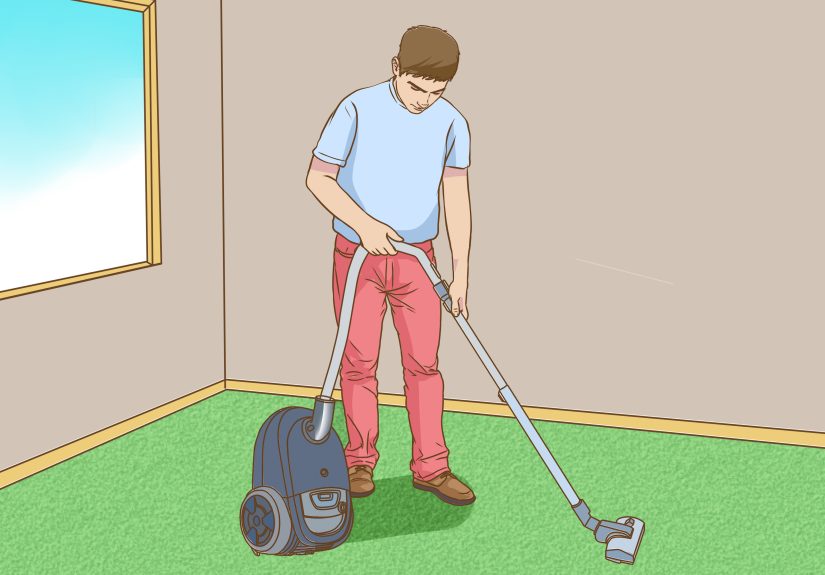
- Vacuum first (or at least remove crumbs/solids). Wet cleaning mud + crumbs = paste.
- Blot immediately to remove as much liquid as possible.
- Apply solution to a cloth when possible (not directly on the carpet) to control saturation.
- Work from outside to center to avoid spreading.
- Let it dwell 3–10 minutes (patience is cheaper than replacing carpet).
- Rinse with plain water and blot (this step prevents sticky residue that attracts dirt).
- Dry fast using towels, fans, and airflow. The faster it dries, the better it smells.
Can You Use DIY Solutions in a Carpet Cleaning Machine?
Here’s the honest answer: it depends on the machine and the ingredients.
Many manufacturers warn against putting certain DIY ingredients (especially vinegar and baking soda) into carpet cleaning machines,
because acidity or residue can damage components, create excessive foam, or leave buildup.
If you’re using a machine:
- Follow the manual first. It’s boringbut cheaper than repairs.
- Avoid high-foam mixes. More bubbles doesn’t mean more clean; it means more headache.
- When in doubt, use a machine-approved formula and save DIY mixes for spot cleaning.
- Always do a clear-water rinse pass if your machine allows itresidue is a dirt magnet.
Common DIY Mistakes (That Make Carpets Worse)
- Using too much soap: Sticky residue attracts dirt and creates “reappearing stains.”
- Skipping the rinse: Even gentle solutions should be lightly rinsed and blotted.
- Scrubbing aggressively: Frays fibers and spreads stains.
- Over-saturating: Can cause odors, slow drying, and even mold in extreme cases.
- Mixing chemicals: Some combinations are dangerous (see below).
Important Warning: Cleaning Chemical Combos to Avoid
DIY cleaning is great, but your carpet is not a laboratory, and your lungs are not a safety filter.
Never mix bleach with ammonia (or products that contain ammonia). Also avoid combining bleach with vinegar,
and avoid mixing hydrogen peroxide with vinegar in the same container.
- Bleach + ammonia can create toxic gases.
- Bleach + vinegar can release irritating gases.
- Hydrogen peroxide + vinegar (mixed together) can create a harsh irritant.
Translation: use one product at a time, rinse between products, label bottles clearly, and keep kids/pets away while cleaning.
FAQ: Quick Answers People Actually Want
Will vinegar ruin my carpet?
Diluted white vinegar is commonly used for spot cleaning on many synthetic carpets, but it’s not universal.
It can be risky on some natural fibers (like wool) and may not play nicely with certain dyes or backings.
Always patch test, and avoid using vinegar inside carpet-cleaning machines unless your manufacturer explicitly allows it.
Why does my carpet feel stiff after cleaning?
Usually it’s residuetoo much soap, not enough rinsing, or product left to dry in the fibers.
Mist with plain water, blot thoroughly, and let it dry with airflow.
How do I prevent stains from coming back?
Rinse + blot + dry. “Stain comeback tours” happen when cleaner or spill residue remains in the carpet and wicks upward as it dries.
Conclusion: Clean Carpets Without the Drama
A good homemade carpet cleaning solution is mostly about the right ratio, the right technique,
and not turning your carpet into a swamp. Start gentle, blot patiently, rinse lightly, and dry quickly.
Keep a vinegar-and-water spot spray for daily life, bring in dish soap for grease, use cool water for protein stains,
and lean on enzyme cleaners when pets are involved. Your carpet will look better, smell fresher, and stop holding grudges.
Real-World Experiences: What Usually Happens When People DIY Carpet Cleaning (And What They Learn)
In real homes, DIY carpet cleaning often starts the same way: someone notices a stain at the exact moment guests are arriving,
or a pet chooses the carpet as the world’s least appropriate restroom. The first lesson most people learn is that
speed beats strength. A quick blot with paper towels and plain water can prevent a stain from settling,
while waiting “just a minute” can turn a spill into something you’ll name and adopt.
Another common experience: using too much product because it feels like more cleaner should mean more cleaning.
People will add extra soap, then wonder why the carpet feels crunchy or looks dingy again a week later.
What’s happening is simpleresidue stays behind and grabs onto dirt like Velcro.
Once people start measuring (yes, even the “just a squirt” crowd), results improve fast.
That’s why many experienced DIYers keep the dish soap amount tiny and always do a light rinse-and-blot afterward.
Odors are another “surprise chapter” in the DIY story. Many people discover that removing a stain isn’t the same as removing the smell,
especially with pet accidents. It’s common to clean a spot until it looks perfect, only to notice a faint odor on humid days.
That’s when homeowners learn to separate the job into phases:
clean the stain, rinse to remove residue, then deodorize (often with baking soda after the area is mostly dry).
And for urine, many people eventually try an enzyme cleaner and realize why it’s so widely recommendedDIY can help,
but enzymes are designed for the proteins that cause recurring odors.
Then there’s the “I scrubbed it and now it’s worse” moment. It happens a lot with darker drinks (coffee, cola, red wine)
and with mud. Scrubbing feels productive, but it can grind pigment deeper into fibers and spread the stain outward.
People who switch to blottingpressing down firmly, lifting, rotating to a clean section of toweloften see better progress in fewer passes.
Over time, many DIY cleaners develop a simple routine: blot, mist, dwell, blot, rinse, blot, dry.
Not thrilling, but it works.
Finally, there’s the drying lesson. Many people clean a stain successfully, then unknowingly leave the area damp for hours.
That’s when carpets can develop a “wet dog” smell or attract dirt faster.
Once homeowners start finishing with a thick dry towel and a fan (or opening windows), the carpet looks better longer.
Some even keep a small portable fan specifically for carpet mishapsbecause nothing says “adulting” like owning a fan whose job is “dry the regret.”
The overall takeaway from these everyday experiences is encouraging:
DIY carpet cleaning works best when it’s gentle, measured, and methodical.
Most carpets don’t need harsh chemicalsthey need fast blotting, mild solutions, thorough rinsing, and proper drying.
Do that consistently, and your carpet will stop announcing every spill like it’s breaking news.






 Close
Close