
Table of Contents >> Show >> Hide
- First, Know What You’re Measuring: Insert vs. Full-Frame Replacement
- The Pro Tool Kit (No, You Don’t Need Laser Beams… But They’re Fun)
- Golden Rules Pros Follow (Steal These)
- How to Measure for Insert (Pocket) Replacement Windows
- How to Measure for Full-Frame Replacement (Rough Opening)
- Window Size Codes: The Secret Handshake You’ll See at Big-Box Stores
- Special Situations Pros Plan For
- The #1 Mistakes That Blow a Window Order
- Pro-Level Measuring Workflow (Fast, Repeatable, Low-Drama)
- When to Call a Professional (A.K.A. “Spend Money to Save Money”)
- Conclusion: Measure Like a Pro, Order Like a Genius
- Field Notes: Real-World Measuring Experiences (500+ Words of “Learned the Hard Way” Wisdom)
- Experience #1: “All the Living Room Windows Are the Same”… Until They Aren’t
- Experience #2: The Sill That Secretly Slopes Like a Ski Jump
- Experience #3: The Frame Is “Fine” Until You Check Diagonals
- Experience #4: The “Depth Surprise” That Turns Into Trim Shopping
- Experience #5: The Spreadsheet That Saves a Weekend
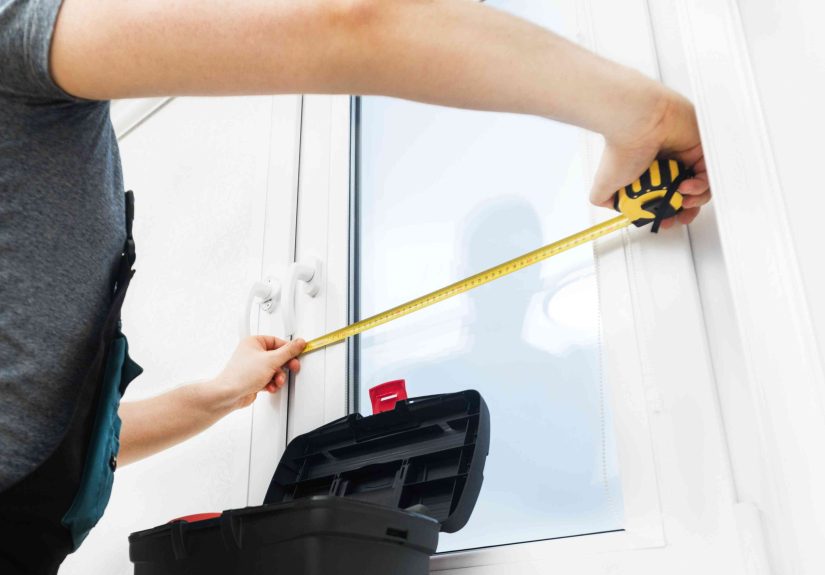
Measuring for replacement windows sounds like one of those “sure, I can do that” projectsright up until you’re standing there with a tape measure, a slightly crooked old house, and the sudden realization that fractions are back in your life. The good news: pros don’t have magical tape measures. They have a repeatable system, a few sanity checks, and the humility to measure the same opening more than once. You can do that, too.
This guide walks you through pro-style window measuring for common replacement scenarios (insert/pocket vs. full-frame), with practical tips, examples, and the mistakes that cause the most “why is this window an inch too big?” moments.
First, Know What You’re Measuring: Insert vs. Full-Frame Replacement
Before you measure anything, decide what kind of replacement you’re planningbecause the measuring targets are different.
Insert (Pocket) Replacement
An insert replacement keeps the existing window frame in place and installs a new window unit inside it. It’s typically faster and less disruptive, but it assumes the existing frame is structurally sound and reasonably square. Your measurements focus on the inside of the existing frame: width, height, and jamb depth. (Translation: you’re measuring the “box” the new window needs to fit into.)
Full-Frame Replacement
A full-frame replacement removes the entire old unit down to the rough opening. It’s more invasive, but it’s the right call when there’s rot, water damage, severe out-of-square openings, or when you want to change the window style/size. Your measurements focus on the rough openingthe framed opening in the wall.
If you’re on the fence, many homeowners use insert windows when the existing frame is solid and full-frame when the frame is damaged or the opening needs correction. (Yes, you can replace windows without opening up a can of siding wormssometimes.)
The Pro Tool Kit (No, You Don’t Need Laser Beams… But They’re Fun)
- Tape measure with clear 1/8-inch markings (a locking one saves your sanity)
- Notepad or a spreadsheet on your phone (label each windowfuture you will thank you)
- Level (2–4 ft) or a small torpedo level for quick checks
- Framing square (optional) for verifying corners
- Flashlight (old frames hide details in the shadows)
- Step stool for tall windows (don’t “trust the chair”)
- Camera (photos help you remember trim, sill shape, and weird obstacles)
Golden Rules Pros Follow (Steal These)
- Measure each window individually. “They look the same” is the lie your house tells you.
- Measure in three places. Top/middle/bottom for width, left/center/right for heightthen use the smallest measurement.
- Measure to the nearest 1/8 inch. Round like a grown-up, not like a pirate.
- Check for square. A window can be the correct size and still fit terribly if the opening is a parallelogram.
- Don’t improvise deductions. Clearance rules vary by manufacturer and window typerecord accurate opening sizes first.
How to Measure for Insert (Pocket) Replacement Windows
These steps assume you’re measuring from the inside and installing a replacement unit within the existing frame. You’re measuring the opening inside the jambsnot the trim, not the stops, not the parting beads.
Step 1: Measure the Width (Three Times)
- Open the window enough to access the frame edges if needed.
- Measure between the inside faces of the side jambs at the top, middle, and bottom.
- Record all three measurements.
- Use the smallest width as your reference size (because the opening is only as wide as its tightest point).
Pro tip: If your measurements vary more than about 1/8 inch, the frame may be bowed or out of square. That’s not a deal-breaker, but it is a neon sign that says “double-check everything and be ready to shim.”
Step 2: Measure the Height (Three Times)
- Measure from the high point of the sill (closest to the inside) to the head jamb (top inside frame).
- Take three measurements: left, center, right.
- Record all three.
- Use the smallest height.
Why “high point of the sill”? Because many sills slope for drainage. If you measure from the lowest point, your replacement window can end up too tall (and gravity will laugh at you).
Step 3: Measure Jamb Depth (Yes, Depth Matters)
Jamb depth is the front-to-back thickness available for the replacement unit. For many replacement windows, you measure from the interior stop to the exterior stop (or the surfaces the replacement window will sit between). Record this measurement.
If the depth is shallow, you may need a different product configuration, additional trim work, or a full-frame approach. Don’t assume “it’ll be fine.” “It’ll be fine” is how you end up buying trim you didn’t want.
Step 4: Check for Square (Diagonal Measurements)
This is the pro move that separates “installed” from “installed and actually opens.”
- Measure diagonally from upper left corner to lower right.
- Measure diagonally from upper right to lower left.
- Compare the two numbers.
If the diagonal measurements are close (many pros use a rule-of-thumb range like 1/8 inch to 1/4 inch depending on window size and product), your opening is reasonably square. If they’re far apart, expect shimming, adjustment, or consider full-frame replacement if the frame is badly distorted.
Step 5: Quick Checks for Level and Plumb
- Level: Place a level on the sill. If it’s dramatically off, you’ll likely need corrective shimming and careful installation.
- Plumb: Check the side jambs. If they lean, it can affect operation and weather sealing.
Worked Example (Because Numbers Make This Real)
Let’s say you measure a double-hung opening:
- Width: Top 35 7/8″, Middle 35 3/4″, Bottom 35 13/16″ → Use 35 3/4″
- Height: Left 59 7/8″, Center 59 3/4″, Right 59 13/16″ → Use 59 3/4″
- Square check: Diagonals 69 1/2″ and 69 5/8″ → difference 1/8″ (nice!)
You’ve now captured the opening’s true minimum size. From here, follow your manufacturer’s ordering method or installer specs for the final unit size (some systems use your smallest opening measurement directly; others build clearance into the unit sizing). The key is: don’t guess the subtraction unless the product instructions tell you to.
How to Measure for Full-Frame Replacement (Rough Opening)
If you’re removing everything down to studs, you need the rough opening dimensionswidth and height of the framed opening. This is also useful when you suspect the existing frame is hiding damage or when you’re changing window types.
Step 1: Confirm You Can Access the Rough Opening
Measuring a rough opening accurately may require removing interior trim (and sometimes exterior trim/siding depending on construction). If you can’t see the framing, you can still take preliminary measurements, but understand they’re estimates.
Step 2: Measure Rough Opening Width and Height (Three Points)
- Width: Measure stud-to-stud (or the framed sides) at top, middle, bottom → use smallest.
- Height: Measure header-to-sill framing (or bottom plate area) at left, center, right → use smallest.
Step 3: Understand Rough Opening vs. Window Unit Size
In many standard systems, the rough opening is typically slightly larger than the manufactured unit size to allow for leveling, shimming, and insulation. That margin is commonly around 1/2 inch total in each direction (but always verify for the specific product and installation method). The practical takeaway: rough opening ≠ exact window size.
Window Size Codes: The Secret Handshake You’ll See at Big-Box Stores
When shopping for stock sizes, you’ll often see window “codes” like 2852. These usually represent rough opening width and height: 2 feet 8 inches wide by 5 feet 2 inches tall. It’s shorthand that helps you match common sizesjust remember it typically references the opening size, not the exact physical unit dimension.
Special Situations Pros Plan For
1) Sloped Sills and Old Wood Windows
Older windows often have sloped sills, parting stops, pulleys, and other “historical artifacts.” When measuring for an insert replacement, ignore components that will be removed and measure the structural opening surfaces the new unit will actually occupy. And always measure height from the high point of the sill.
2) Out-of-Square Openings
If diagonals are way off, you have three options:
- Order smaller and shim (common when the issue is moderate and the frame is solid)
- Correct the opening during full-frame replacement
- Call a pro when the opening is distorted enough that operation/sealing will be compromised
3) Brick, Stucco, and Exterior Obstructions
Exterior materials can hide critical details like brickmold, trim thickness, or how the window is set back in the wall. Pros often take both interior and exterior notes: where the window sits, how much clearance exists, and whether exterior trim will be disturbed in a full-frame job.
4) Different Window Types (Casement, Slider, Picture)
The core measuring method is similar, but note what matters for operation:
- Casement: verify square carefullybinding hinges and poor sealing show up fast in out-of-square openings.
- Sliders: level matters; a sloped sill can affect smooth sliding and lock alignment.
- Picture windows: less operation risk, but you still need good fit for energy efficiency and water control.
The #1 Mistakes That Blow a Window Order
- Measuring the trim instead of the jamb opening. Trim is decorative. Jambs are destiny.
- Only measuring once. Houses settle. Frames bow. One measurement is optimism, not data.
- Not labeling each window. “Kitchen left” is fine until you have two kitchens (open concept is wild).
- Forgetting jamb depth. The unit can be the right width/height and still not physically fit.
- Ignoring out-of-square signs. If diagonals disagree, your future window will disagree too.
- Assuming stock size codes equal exact unit dimensions. They usually reference rough opening shorthand.
- Skipping photos/notes. Later, you won’t remember which window had the alarm sensor, the deep stool, or the weird trim return.
Pro-Level Measuring Workflow (Fast, Repeatable, Low-Drama)
- Create a window schedule: assign each opening an ID (W1, W2, etc.).
- Record: room, ID, window type, operation (double-hung/casement), interior color preference, and notes (obstructions, sensors, trim).
- Measure width/height in three places: record all, circle the smallest.
- Measure jamb depth: record.
- Check diagonals: record the difference.
- Take two photos: one interior, one exterior.
- Repeat window-by-window: don’t bounce around the house. Consistency prevents mistakes.
When to Call a Professional (A.K.A. “Spend Money to Save Money”)
DIY measuring is totally doable, but there are times when a professional measure is worth it:
- Diagonals are far apart and the frame looks twisted or damaged
- Visible rot, water stains, or soft wood around the frame
- Brick/stucco exteriors where full-frame work affects weatherproofing details
- Large or custom units (picture windows, bays, multi-panel sliders)
- You’re ordering expensive custom windows with long lead times
Pros don’t just measurethey spot structural issues, flashing problems, and installation constraints that are invisible on a tape measure.
Conclusion: Measure Like a Pro, Order Like a Genius
Measuring replacement windows isn’t hardit’s unforgiving. The pro approach is simple: measure in three spots, use the smallest numbers, check for square, confirm jamb depth, and document everything. Do that, and you’ll dramatically reduce the odds of ordering a beautiful new window that fits exactly nowhere.
Your final step? Match your measurements to the specific manufacturer’s ordering instructions (or your installer’s requirements), because sizing rules can vary by product line and installation method. Accuracy first, deductions second.
Field Notes: Real-World Measuring Experiences (500+ Words of “Learned the Hard Way” Wisdom)
Ask ten window installers about measuring, and you’ll hear the same theme ten different ways: the tape measure is never the problemassumptions are. Here are the kinds of on-the-ground experiences homeowners and pros run into all the time, and what they teach you about measuring like a pro.
Experience #1: “All the Living Room Windows Are the Same”… Until They Aren’t
A common scenario: a homeowner measures one living room window, then copies that number for the other three because they look identical from the couch. When the new units arrive, two fit fine, one needs aggressive shimming, and one is a stubborn half-inch too wide at the top. The lesson is simple: houses settle unevenly, carpenters were human, and previous repairs may have changed an opening without changing appearances. Pros avoid this by measuring every window and labeling it. If you want a “pro trick,” it’s not a trickit’s discipline.
Experience #2: The Sill That Secretly Slopes Like a Ski Jump
Older homes often have sills that slope more than you expect (and sometimes sag at one end). Someone measures height from the lowest point because it’s easy to hook the tape there. The replacement window shows up tall, and now installation becomes a comedy: the unit won’t seat properly without trimming, and nobody wants to trim a brand-new window opening. Pros measure height from the high point of the sill to prevent this. When in doubt, they measure the sill in multiple spots and note “sill slopes” on the worksheet so the installer isn’t surprised.
Experience #3: The Frame Is “Fine” Until You Check Diagonals
Many openings pass the “looks okay” test but fail the diagonal test. A window can be the correct width and height and still be out of square enough to cause binding, poor locks, or air leakage. Installers often say the diagonal check is where DIY measurements either become professional-gradeor don’t. When diagonals are off, experienced installers plan ahead: they anticipate where shims will be needed, they verify that the frame is structurally sound, and they decide whether an insert makes sense or if full-frame replacement will solve the root problem.
Experience #4: The “Depth Surprise” That Turns Into Trim Shopping
Homeowners focus on width and height (understandable), but jamb depth is a frequent surpriseespecially with older wood windows, unusual interior trim, or exterior stops that don’t match modern replacement profiles. A replacement unit may physically fit the opening but sit awkwardly relative to the interior casing, or require extra trim to finish cleanly. Pros measure depth early, then decide whether they need extension jambs, different product options, or a full-frame plan. The measuring lesson: depth is not a “nice-to-have.” It’s a “do you want this to look intentional?” measurement.
Experience #5: The Spreadsheet That Saves a Weekend
One of the most practical “pro experiences” is organizational: crews use a consistent worksheet because it prevents expensive chaos. Homeowners who copy that habitwindow ID, room, type, three width numbers, three height numbers, smallest values circled, depth, diagonals, notes, photos often find the rest of the project gets easier too. Ordering becomes straightforward, contractor conversations get sharper, and you’re less likely to discover mid-install that the “bedroom window” you measured was actually the bathroom window with frosted glass.
Bottom line: measuring like a pro is less about talent and more about process. When you slow down just enough to collect the right measurements (and the right notes), you stop gambling and start managing the project.





 Close
Close