
Table of Contents >> Show >> Hide
- Yes, eczema can be geneticbut it’s not a guaranteed inheritance
- Eczema vs. atopic dermatitis: why the wording matters
- What researchers mean by “genetic risk”
- The skin barrier story: your body’s “brick wall” gets leaky
- The immune system story: inflammation that’s a little too eager
- If genes don’t change fast, why does eczema seem more common?
- Common triggers that can spark (or worsen) eczema flares
- 1) Irritants: soaps, fragrances, detergents, and “clean” that isn’t kind
- 2) Allergens: dust mites, pet dander, pollens, molds
- 3) Weather and temperature: cold/dry, hot/sweaty, or “hello, indoor heating”
- 4) Fabrics and friction: wool, rough seams, tight waistbands
- 5) Stress and sleep: the not-so-fun feedback loop
- 6) Infections and the skin microbiome
- 7) Food: sometimes a trigger, rarely the whole story
- Cause vs. trigger: a quick way to think about it
- What to do if eczema runs in your family
- FAQ: quick answers people search for
- Conclusion: genetics explains the tendency; triggers explain the timing
- Experiences people commonly report (and what they can teach you)
- SEO Tags
If eczema were a houseguest, it would be the one who shows up uninvited, rearranges your furniture,
and then complains the couch is itchy. The question everyone asks (usually while scratching) is:
“Did I inherit this?” The research-backed answer is refreshingly honest: genes matter a lot,
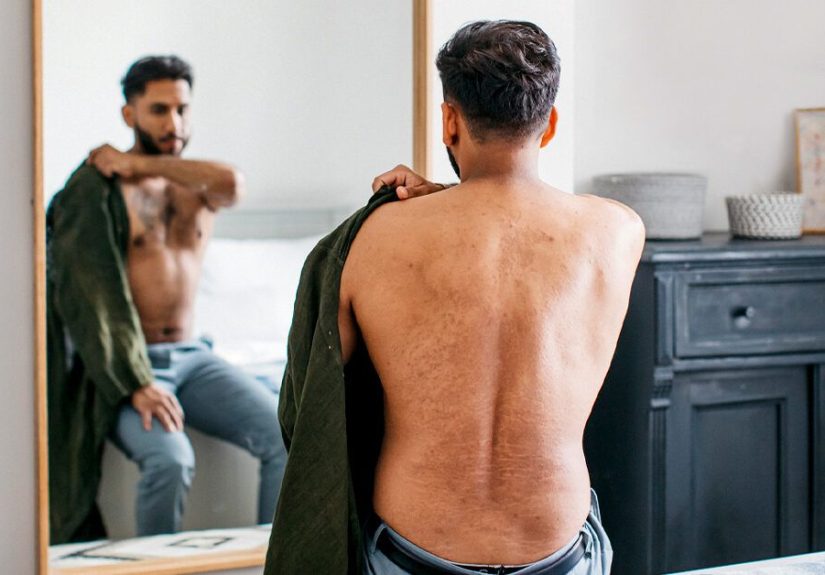
but they don’t act alone. Eczemaespecially the most common type, atopic dermatitis
tends to run in families, yet flare-ups are often sparked by everyday triggers like weather, soaps,
stress, allergens, and infections.
In other words, genetics can load the “eczema gun,” but environment and triggers often pull the trigger.
Let’s unpack what science actually sayswithout the doom-and-gloom, and with at least one joke per paragraph
(skin permitting).
Yes, eczema can be geneticbut it’s not a guaranteed inheritance
Researchers describe atopic dermatitis as a complex condition: many genes can influence risk,
and those genes interact with the immune system, the skin barrier, and the environment. So eczema isn’t
usually caused by one “bad gene.” It’s more like a group chat where multiple genes are all sending
“overreact!!!” at once.
A family history of eczema, asthma, hay fever, or food allergies can raise the odds. That’s why clinicians
often ask about relatives with allergic conditions. But having that family history doesn’t guarantee you’ll
develop eczema, and not having it doesn’t mean you’re immune.
Eczema vs. atopic dermatitis: why the wording matters
“Eczema” is an umbrella term for several kinds of dermatitis (skin inflammation). The genetics discussion
mainly centers on atopic dermatitis, the most common typeespecially in children.
Other types, like contact dermatitis, can be more about exposure to irritants or allergens
(think nickel jewelry, fragrances, harsh chemicals) and may not follow the same “runs in families” pattern.
So when people ask “Is eczema genetic?” the most accurate translation is:
“Is atopic dermatitis strongly influenced by genetics?” That answer is: yes.
What researchers mean by “genetic risk”
Genetic risk doesn’t mean “destiny.” It means you may inherit traits that make eczema more likelysuch as a
weaker skin barrier or an immune system that’s quick to spark inflammation.
Family patterns and the allergy connection
Atopic dermatitis is often linked with other allergic conditions (asthma, allergic rhinitis, food allergies).
Some people experience a progression sometimes called the “atopic march,” where allergic diseases appear over time.
Not everyone follows that path, but the overlap helps explain why eczema often shows up in families with allergies.
Twin studies: a classic clue that genes matter
Twin research is one of the strongest ways to estimate genetic influence. Identical twins share nearly all their DNA,
while fraternal twins share roughly half. Across many studies, identical twins are more likely to both have atopic dermatitis
than fraternal twinssupporting the idea that genetic factors explain a lot of susceptibility.
Still, identical twins can be “mismatched,” which is the scientific way of saying: environment and life exposures matter too.
The skin barrier story: your body’s “brick wall” gets leaky
Imagine your outer skin layer as a brick wall. The skin cells are the bricks; lipids (fats) and proteins are the mortar.
In eczema-prone skin, that wall can be a bit leakymeaning moisture escapes more easily and irritants/allergens can sneak in.
That leakiness can set off inflammation and itching, and the itch-scratch cycle can further damage the barrier.
Filaggrin (FLG): the gene you’ll hear about most
One of the best-known genetic links involves the filaggrin protein, which helps the skin form a strong outer barrier
and retain moisture. Certain variants in the FLG gene can reduce filaggrin function. Not everyone with eczema has an FLG variant,
and not everyone with an FLG variant develops eczemabut it’s a major piece of the puzzle, especially in people with early-onset or more persistent disease.
The practical takeaway: if your barrier is naturally a little “drafty,” your skin may get irritated more easily, dry out faster,
and react more dramatically to things other people barely notice. (Yes, your skin can be the dramatic friend in the groupand it’s not your fault.)
The immune system story: inflammation that’s a little too eager
Eczema isn’t just “dry skin.” It’s also an immune-driven inflammatory condition. Researchers describe patterns of immune signaling
that promote redness, itch, and changes in the skin’s microbiome. In eczema-prone people, the immune system may respond to minor irritants like they’re
major threats, creating a cycle: inflammation weakens the barrier, a weaker barrier invites more irritation, and the immune system escalates again.
Scientists are also investigating multiple immune-related genesbecause eczema is not a one-gene story. Think “many small dials,” not “one big switch.”
If genes don’t change fast, why does eczema seem more common?
Eczema prevalence has shifted over time and differs by region, which suggests environmental forces are at play. Genes don’t change dramatically in a few decades,
but exposures do: indoor lifestyles, detergents and fragrances everywhere, climate control, urban pollution, changes in microbial exposures,
and rising allergy rates can all influence eczema expression.
This is where researchers talk about gene–environment interaction: your genetic “setup” can shape how strongly your skin reacts to modern life.
Same genes, different environment, different outcomes.
Common triggers that can spark (or worsen) eczema flares
Triggers don’t usually “cause” eczema from scratch, but they can absolutely turn a manageable condition into a loud, itchy protest. Many people have
multiple triggers, and they can change with age, season, stress level, and where you live.
1) Irritants: soaps, fragrances, detergents, and “clean” that isn’t kind
Harsh soaps, fragranced products, bubble baths, and some laundry detergents can strip oils from the skin barrier. For eczema-prone skin, that’s like
removing the roof and then being surprised it rains indoors.
2) Allergens: dust mites, pet dander, pollens, molds
Some people notice flares around certain allergensespecially airborne ones such as dust mites and pollen. This doesn’t mean eczema is “just an allergy,”
but allergic sensitization and eczema often overlap, and allergens can contribute to flares in susceptible individuals.
3) Weather and temperature: cold/dry, hot/sweaty, or “hello, indoor heating”
Cold, dry air can increase dryness and cracking, while heat and sweating can increase itch. Indoor heating and air conditioning can also lower humidity.
If your eczema “has a season,” you’re not imagining ityour skin is basically a tiny weather station with opinions.
4) Fabrics and friction: wool, rough seams, tight waistbands
Scratchy or rough fabrics and constant friction can irritate eczema-prone areas. Even if a fabric isn’t an allergen, it can still be an irritant.
5) Stress and sleep: the not-so-fun feedback loop
Stress can worsen itch and inflammation, and itching can disrupt sleepthen poor sleep increases stress. It’s a loop nobody asked for.
Managing eczema often includes addressing stress and nighttime routines because the skin and nervous system are in constant conversation.
6) Infections and the skin microbiome
Eczema skin can be more prone to bacterial overgrowth, especially Staphylococcus aureus. When the barrier is compromised,
microbes can contribute to inflammation and flares. This is one reason clinicians watch for signs of infection during bad flare-ups.
7) Food: sometimes a trigger, rarely the whole story
Food allergies can coexist with eczema, particularly in children with moderate-to-severe atopic dermatitis. But food is not the cause for most people,
and eliminating foods without guidance can backfire (nutritionally and emotionally). If a true food allergy is suspected, it’s worth discussing with a clinician
rather than playing “diet roulette.”
Cause vs. trigger: a quick way to think about it
Causes are the underlying factors that make eczema possible (genetics, barrier differences, immune tendencies).
Triggers are the exposures that make symptoms worse (irritants, weather, stress, allergens, infections).
The goal isn’t to find a single villainit’s to understand your personal combination so you can reduce flares and improve comfort.
What to do if eczema runs in your family
If you have a strong family history, it can help to focus on what supports the skin barrier and reduces avoidable irritation:
gentle, fragrance-free products; consistent moisturizing; and noticing patterns (seasonal changes, stress spikes, product switches).
For persistent or severe symptoms, a dermatologist or clinician can help with diagnosis and a tailored planespecially because not every rash is eczema,
and not every eczema flare needs the same approach.
FAQ: quick answers people search for
Can you inherit eczema directly from a parent?
You can inherit a higher risk and traits that make eczema more likely (barrier and immune tendencies). It isn’t a simple yes/no inheritance pattern.
If eczema is genetic, why did mine start later in life?
Genetics can set the stage, but a later changestress, new climate, pregnancy, a job with irritant exposure, new products, or a major illnesscan shift
the balance and bring symptoms to the surface.
Is there a “gene test” for eczema?
Not in a way that’s routinely useful for most people. Researchers know many genes are involved, and having a variant doesn’t reliably predict your course.
Clinical history and symptom patterns are still the main tools.
Will avoiding triggers cure eczema?
Avoiding triggers can reduce flares and improve quality of life, but it usually doesn’t eliminate the underlying tendency. Think “manage and minimize,” not “erase.”
Conclusion: genetics explains the tendency; triggers explain the timing
So, is eczema genetic? For atopic dermatitis, the research strongly supports a genetic influenceespecially through skin-barrier and immune pathways.
But genes don’t operate in a vacuum. Weather, irritants, allergens, stress, sleep, infections, and daily habits often decide when eczema shows up and how intense it gets.
The best news in all of this: understanding your triggers and protecting your skin barrier can give you more control, even if you can’t change your DNA.
Experiences people commonly report (and what they can teach you)
“Eczema experiences” tend to sound weirdly similar across familieseven when the exact triggers differ. One common theme is
the family resemblance: a parent remembers having dry, itchy patches as a kid; a sibling has asthma; a cousin has seasonal allergies.
Then a child develops eczema, and suddenly everyone’s comparing lotion brands like they’re trading baseball cards. This doesn’t prove a single gene is responsible,
but it matches what research suggests: shared genetics can create shared vulnerability.
Another frequent experience is the “seasonal personality shift.” Many people describe winter as their eczema’s favorite hobby:
cold air outside, heated air inside, lower humidity everywhere, and skin that feels like it’s shrinking two sizes. Others swear summer is worse,
because heat plus sweat equals itchespecially in body folds or under tight clothing. Some people even notice geographic differences:
a move to a drier climate worsens dryness; a humid climate reduces cracking but increases sweat-related flares. The lesson isn’t that one climate is “best,”
but that your skin barrier and your daily exposures matter.
People also commonly report “the product trap”: a new scented body wash, a strongly fragranced lotion, a trendy essential-oil blend,
or a detergent switch that seemed harmlessfollowed by a flare that feels personal. Many end up building a “boring on purpose” routine:
fragrance-free, gentle cleanser, simple moisturizer, fewer experiments. It’s not that fun packaging is evil; it’s that eczema-prone skin often prefers
fewer ingredients and fewer surprises.
Stress shows up in real-life stories almost as often as soap. Students describe flares during exams. Adults describe flare-ups during deadlines, moves,
relationship changes, caregiving, or grief. What’s striking is how often the timing is delayed: stress peaks, sleep gets worse, scratching increases at night,
and the skin flares days later. Many people say the “itch at night” is the worst partnot only because it’s uncomfortable, but because it steals sleep,
and then everything (including stress) gets harder. That’s a lived example of the stress–sleep–itch loop researchers talk about.
Finally, there’s the experience of misunderstanding. People hear “It’s just dry skin” or “Stop scratching,” as if itching were optional.
Others get asked if eczema is contagious (it isn’t). Many describe feeling self-conscious about visible patches, especially on hands, eyelids, or neck.
These experiences matter because eczema isn’t only a skin issueit’s a comfort, sleep, and quality-of-life issue. Recognizing that can help families and
clinicians treat it seriously, adjust routines compassionately, and reduce the blame game. If there’s one “takeaway” from patient experience,
it’s this: eczema management is often less about finding a single magical fix, and more about learning your patterns, reducing triggers, and supporting the barrier
consistentlylike brushing your teeth, but for your skin.






 Close
Close