
Table of Contents >> Show >> Hide
- Usually, NoUnless the Store Invites You To
- Why People Want to Sample in the First Place
- The Three Big Problems With “Just Tasting One”
- So When Is It OK? The “Yes” List
- When Sampling Is Not OK (Even If It Feels Normal)
- Better Ways to Choose Great Produce Without Taking a Bite
- If You Absolutely Need to Taste Before You Commit
- Food Safety Refresher: What “Safe to Eat” Looks Like
- FAQ: The Questions People Argue About in the Parking Lot
- Experiences Shoppers Recognize (Vignettes From the Produce Aisle)
- Conclusion
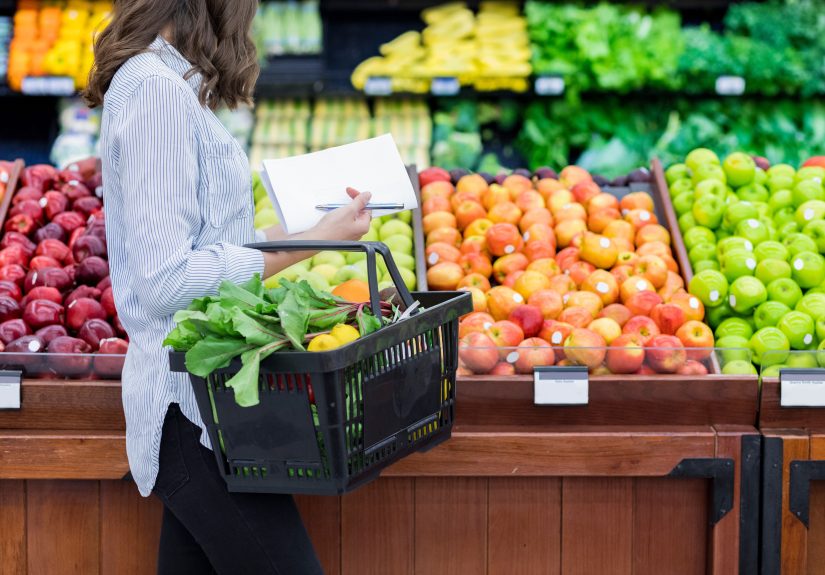
The produce aisle is basically a buffet in vibebright colors, sweet smells, tiny bite-sized fruits sitting there like they’re whispering,
“One grape won’t hurt you.” And then your brain whispers back, “I’m an adult. I can make decisions.” That’s how otherwise law-abiding shoppers
end up debating the morality of a single blueberry like it’s a Supreme Court case.
So, is it ever OK to sample produce before you buy it? Sometimes. But the “sometimes” is a lot narrower than most people thinkand it has less to
do with how small the fruit is and more to do with permission, hygiene, and basic fairness to the store (and to the next person who wants those grapes
without a side of someone else’s fingerprints).
Usually, NoUnless the Store Invites You To
In most grocery stores, produce is not “free to taste” just because it’s unwrapped. Until you pay, it still belongs to the store. That means sampling
without permission can be treated as taking merchandise you haven’t purchased.
The clearest “yes” is when the store itself offers samplesthink demo stations, covered sample cups, or an employee who hands you a taste using clean
practices. In that situation, the store has (1) given permission and (2) set up the sampling in a way that’s meant to be sanitary.
Why People Want to Sample in the First Place
Let’s be honest: produce can be unpredictable. You can pick the prettiest strawberry in the kingdom and still get one that tastes like disappointment.
People sample because they want to avoid wasting money and foodespecially on items where flavor varies a lot from batch to batch.
- Grapes: The poster child of “just one won’t matter.”
- Cherries and berries: Expensive, delicate, and sometimes mysteriously sour.
- Stone fruit: Peaches and nectarines can look perfect but be mealy inside.
- Melons: You can thump, sniff, and praysampling feels like certainty.
The desire makes sense. The method (grabbing food off the sales floor and eating it) is where things get sticky.
The Three Big Problems With “Just Tasting One”
1) Permission: It’s Not Yours Yet
Grocery shopping isn’t a try-before-you-buy contract unless the store says it is. In many places, consuming an item before paying can be treated as
shoplifting if the store hasn’t consentedespecially if you don’t pay for what you consumed or you decide not to buy the item afterward.
Even when someone intends to pay, stores can still view the act as unauthorized.
Practical reality: plenty of employees won’t tackle you over a single grape. But “unlikely to be confronted” and “clearly allowed” are not the same
thing. Store policy (and local enforcement) can vary widely.
2) Hygiene: Produce Has a Whole Life Before It Meets Your Mouth
Food safety guidance in the U.S. consistently says to rinse produce under running water before eating it. That’s not a dramatic suggestionit’s a basic
risk-reducer. Produce can pick up dirt and germs from farms, transport, storage, and handling. And in a grocery store, a lot of hands touch a lot of
apples before you meet “the one.”
If you sample in the aisle, you’re almost always eating it unwashed. That raises your odds of ingesting whatever is on the surface. It also creates
a social hygiene problem: people who sample often touch multiple packages, and sometimes they put items back. That’s exactly the kind of consumer handling
that food safety experts flag as risky in retail settings.
Also worth noting: washing produce is recommended with plain running waternot soap or detergents. So even if someone’s defense is “I’m sure they wash
produce in the store,” that’s not how it works. Most stores do not wash everything for ready-to-eat consumption, and consumers are still advised to rinse
produce at home.
3) Paying by Weight: You’re Not Paying for the Bite
Grapes, cherries, and many berries are sold by the pound. If you eat some before checkout, the package weighs less, and you pay less. Even if it’s a
tiny amount, you’re effectively not paying for what you ate. That’s part of why sampling produce feels different from, say, tasting a free sample in a cup.
Some people argue, “One grape is basically nothing.” Maybe. But grocery margins are famously thin, and shrink (loss from damage and theft) is a real cost.
A store can be forgiving while still preferring customers not treat the produce section like an open snack tray.
So When Is It OK? The “Yes” List
If you want a simple rule: sampling is OK only when you have clear permission and a sanitary setup. Here are the scenarios that fit:
- Official store samples: Demo stations, tasting events, or sample cups provided by staff.
-
An employee offers a taste: If you ask the produce department and they say yes, they may provide a sample in a controlled way
(for example, handing you a piece or using clean utensils). -
Pre-packaged “ready-to-eat” samples: Sometimes stores sell or provide small “try me” packs. If it’s clearly designated for sampling,
you’re in the clear.
Notice what’s not on the list: “when the fruit is tiny,” “when you’re pretty sure you’ll buy it,” or “when no one is looking.” (Those are not policies.
Those are hobbies.)
When Sampling Is Not OK (Even If It Feels Normal)
- Opening clamshells of berries and eating from themespecially if you then put them back.
- Trying produce from multiple packages to “find the best one.” That turns selection into a tasting flight.
- Sampling anything that needs peeling or cutting (bananas, oranges, mangos, melons). It creates waste and mess.
- Eating from bulk bins (nuts, dried fruit, “pick-and-mix” items). These are especially vulnerable to contamination.
- Sampling with unwashed hands (which is most of the time while shopping).
Better Ways to Choose Great Produce Without Taking a Bite
If you’re trying to avoid buying bland fruit, you don’t have to become the Grocery Store Grape Bandit. Use these non-sneaky cues instead:
Use your senses (the ones that don’t involve chewing)
- Smell: Many ripe fruits (peaches, melons, pineapples) smell fragrant at the stem end.
- Color: Look for variety-specific ripeness cues (deep color for berries; creamy yellow undertone for some apples; consistent color on grapes).
- Firmness: Gently press stone fruit near the stem. Slight give often signals ripeness; rock-hard can mean underripe.
- Weight: Heavier fruits can indicate more juice (especially citrus and melons).
Read the boring stuff (it helps)
- Variety name: “Cotton Candy” grapes taste different from red seedless. Knowing the variety is half the battle.
- Origin and season: Peak-season produce is usually better. Off-season fruit can be watery or shipped underripe.
- Condition: For berries, flip the package over and look for juice stains, crushed fruit, or fuzzy surprises.
Ask a produce worker (yes, really)
If you’re choosing between two grape varieties or you’re unsure whether a batch of peaches is ready, ask. Many stores would rather answer a question
than deal with customers eating merchandise. Some produce departments may even be willing to provide a samplebut only if you ask first.
If You Absolutely Need to Taste Before You Commit
Sometimes you’re buying for a special occasion, or you’re trying a new variety, or you’ve been burned by flavorless fruit one too many times.
If tasting feels necessary, do it the clean, permission-based way:
- Ask the produce department if samples are allowed for that item.
- Let staff handle it if they agreedon’t self-serve from the display.
- If the answer is no, respect it and choose using the quality checks above.
- Buy a small amount first when possible (a single apple, a smaller bag, or the smallest available container).
Food Safety Refresher: What “Safe to Eat” Looks Like
Even if you never sample in-store, you still want to handle produce safely at home. U.S. public health guidance commonly recommends:
- Wash hands before and after handling produce.
- Rinse produce under running water before eating, cutting, or cooking (even if you plan to peel it).
- Skip soap, detergents, and bleach on fruits and vegetables.
- Use a clean brush for firm produce like potatoes or melons.
- Keep cut produce cold and refrigerate promptly.
The key takeaway: produce is healthiest when it’s handled like food, not like décor. Wash it, prep it cleanly, and you’ll enjoy it morewithout the
“Did I just eat an unwashed grocery-store grape?” post-snack anxiety.
FAQ: The Questions People Argue About in the Parking Lot
Is one grape really a big deal?
One grape is small in cost, but the issue isn’t just moneyit’s permission and hygiene. If the store hasn’t offered samples, you’re still consuming
unpaid merchandise. If you want to keep it simple: ask first, or don’t taste.
What about giving my kid a banana while shopping?
Some parents do this and then pay at checkout, but it still depends on store policy. If you do it, keep the peel (or the sticker) and tell the cashier
so it can be properly rung up. Better yet, buy the snack first or bring a snack from home to avoid confusion.
Is it safer to sample something with a peel?
A peel can reduce direct surface contact with your mouth, but it doesn’t fix the permission issue. Also, peeling in-store creates mess and wastetwo
things stores hate almost as much as a leaky rotisserie chicken container.
Are “prewashed” salad greens safe to eat without rewashing?
Many packaged greens labeled “ready-to-eat” or “triple-washed” are intended to be eaten as-is. Rewashing can sometimes increase cross-contamination if
your sink or tools aren’t clean. Follow the label and use clean prep practices.
Experiences Shoppers Recognize (Vignettes From the Produce Aisle)
The Grape Debate That Divides Families
One shopper reaches for a bag of grapes, pauses, and thenlike they’re defusing a bombplucks a single grape and pops it in their mouth. Their partner’s
face says, “I didn’t marry a criminal,” while the shopper’s expression says, “I’m performing quality control.” This is the classic produce-aisle standoff:
one side sees a harmless taste test, the other sees unpaid merchandise and a hygiene gamble. What usually settles it isn’t philosophyit’s the realization
that grapes are sold by weight, so that “one grape” is, technically, one unpaid grape. The compromise many shoppers land on: ask a produce worker or skip
the taste test and judge by variety, color, and firmness instead.
The Berry Box That Looks Perfect…Until You Flip It Over
Plenty of shoppers learn the hard way that berries don’t need to be sampled; they need to be inspected. A clamshell can look like a magazine cover from
the top and like a crime scene from the bottom. The most common “experience” here is the shopper who almost samples a blueberry, then notices juice stains,
crushed fruit, or a fuzzy patch hiding underneath. The lesson tends to stick: with berries, a quick visual check is more useful (and far less awkward)
than tasting something unwashed in the aisle. And if someone has already been snacking from open containers, that’s another reason to choose packages that
are sealed and intact.
The Parent-with-a-Hungry-Kid Checkout Moment
Another familiar scenario: a parent opens a snack for a cranky kid mid-shop, fully intending to pay. At checkout, the parent places an empty wrapper on
the belt like evidence in a trial“We’re paying for this, I promise.” Some cashiers shrug and ring it up; others need a barcode or a best guess, which
turns a simple purchase into a mini problem-solving session. When it’s produce (like a banana), the situation can be trickier without a sticker or peel.
The experience usually ends with a practical takeaway: if a kid needs a snack, it’s easier to pick something with a barcode, keep the packaging, or buy
the snack first.
The Produce Manager Who’d Rather You Ask
Shoppers often assume produce workers will be annoyed by questions. In reality, many stores would much rather answer “Which grapes are sweetest today?”
than discover customers turning the display into a tasting tour. A common “good experience” people report is asking politely and getting surprisingly
helpful guidance: which shipment came in most recently, which variety is best that week, or how to pick ripe avocados without bruising them. In some
cases, staff may even offer a sample the right wayhandled by them, not self-servedbecause it keeps the department cleaner and the policy clearer.
Even when the answer is no, asking avoids the risk of being embarrassed (or corrected) in aisle seven.
The Official Sample Station That Ends the Whole Argument
The most universally approved tasting experience is the official sample. It’s permission-based, usually portioned, and designed to be sanitary. Shoppers
who love sampling often say they wish more produce departments offered “try me” cups for new varietiesbecause it scratches the curiosity itch without
turning shopping into rule-bending. And for anyone who’s ever felt tempted to “just taste one,” the sample station is the guilt-free alternative:
you get information, the store gets goodwill, and the grapes remain innocent bystanders.
Conclusion
Sampling produce in the grocery store sits at the intersection of temptation, tradition, and technicalities. The safest, simplest guideline is this:
don’t eat produce before you pay unless the store clearly offers it as a sample or gives you permission. That approach respects store policy,
protects other shoppers from cross-contamination, and keeps your snack from accidentally becoming a “payment dispute.”
If you’re unsure about quality, skip the stealth sampling and use smarter cuessmell, firmness, variety, seasonalityor ask the produce department.
Your taste buds can still win without your conscience sweating in the checkout line.






 Close
Close