
Table of Contents >> Show >> Hide
- What Is an Outside Inside Bath?
- Why the Outside Inside Bath Is Trending
- The Design Psychology: Why Nature Works So Well in Bathrooms
- Best Layout Ideas for an Outside Inside Bath
- Materials That Make an Outside Inside Bath Work
- Privacy: The Non-Negotiable Design Detail
- Ventilation, Drainage, and Water Efficiency
- Safety and Comfort Should Be Built In
- Color Palettes for an Outside Inside Bath
- Small Bathroom? You Can Still Create the Effect
- Outside Inside Bath Cost Considerations
- Maintenance: Keeping the Spa Feeling Alive
- Common Mistakes to Avoid
- Experience Section: Living With an Outside Inside Bath
- Conclusion
Some bathrooms are built to get the job done: sink, shower, mirror, towel, done. Then there is the outside inside batha space that politely refuses to choose between indoor comfort and outdoor calm. It brings garden air, natural light, stone, wood, plants, privacy, and spa-like bathing into one beautifully balanced room. Think of it as the bathroom equivalent of opening a window in your brain.
The phrase “Outside Inside Bath” may sound playful, but the idea behind it is serious design: a bathroom that feels connected to nature while still offering the privacy, plumbing, warmth, safety, and convenience of an indoor retreat. It can be a glass-walled master bath overlooking a courtyard, a shower with a private garden door, a soaking tub beside a planted atrium, or even a compact bathroom that uses skylights, greenery, earthy tile, and natural textures to create an outdoor feeling without actually sending you outside in a towel.
As homeowners continue to look for wellness-focused spaces, the bathroom has become more than a utility room. It is now a decompression chamber, a personal spa, a design statement, and occasionally the only room in the house where nobody asks where the phone charger is. An outside inside bath captures that shift perfectly. It makes daily routines feel slower, fresher, and more intentional.
What Is an Outside Inside Bath?
An outside inside bath is a bathroom designed to blur the line between interior and exterior space. It may include direct outdoor access, large windows, skylights, garden views, natural materials, open-air shower elements, or biophilic design features that mimic the feeling of bathing in nature.
Unlike a fully outdoor bathroom, an outside inside bath does not have to expose you to weather, insects, or curious neighbors with suspiciously good timing. The goal is controlled openness. You get the emotional benefits of nature while keeping the practical comforts of an indoor bathroom: cleanable surfaces, reliable water temperature, proper drainage, ventilation, lighting, privacy, and year-round usability.
Common Outside Inside Bath Features
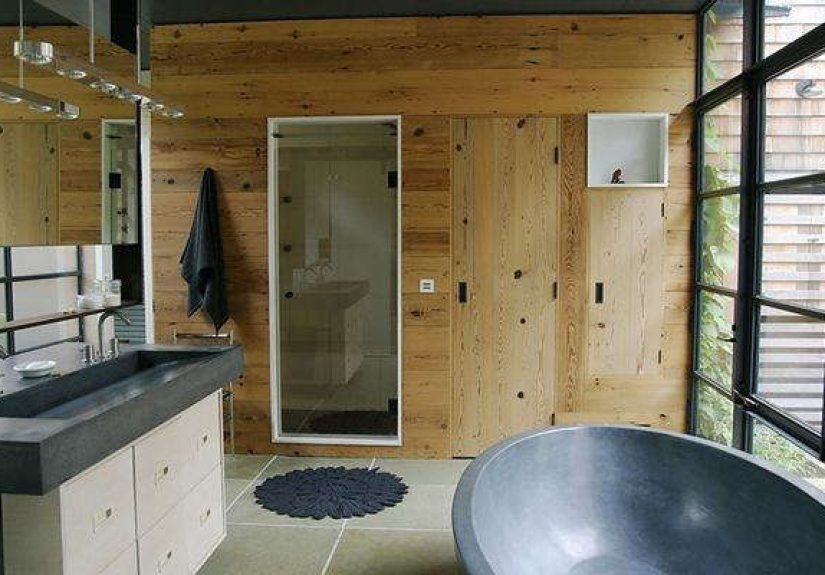
Popular features include frameless glass doors, sliding panels, private courtyards, stone shower walls, teak benches, rainfall showerheads, freestanding tubs, moisture-loving plants, pebble flooring, earthy color palettes, and soft ambient lighting. Some designs use an actual exterior shower connected to the main bath. Others create the feeling indoors through windows, textures, and greenery.
The best versions feel effortless, but behind that calm look is careful planning. Water needs somewhere to go. Privacy needs to be more than wishful thinking. Materials need to handle humidity. And every design decision should support comfort rather than simply chasing a dramatic photo.
Why the Outside Inside Bath Is Trending
The outside inside bath fits several major home design movements at once: wellness design, biophilic interiors, indoor-outdoor living, spa-style bathrooms, and sustainable upgrades. That is a powerful combination. It also looks fantastic in photographs, which never hurts.
Bathroom design has moved away from cold, purely functional layouts and toward spaces that support relaxation. Larger showers, better lighting, heated floors, built-in seating, natural finishes, and low-maintenance surfaces are increasingly popular because people want bathrooms that feel less like a pit stop and more like a restorative pause.
At the same time, homeowners are seeking more natural light, more ventilation, and more contact with outdoor views. A bathroom that opens to a garden, courtyard, balcony, or private planted wall can feel luxurious without being flashy. It suggests resort living, but in a way that still works for brushing your teeth on a Tuesday.
The Design Psychology: Why Nature Works So Well in Bathrooms
Bathrooms already involve water, steam, warmth, and ritual. Add natural materials and greenery, and the space begins to feel calmer almost immediately. This is the heart of biophilic design: bringing natural patterns, materials, light, plants, and outdoor connections into built environments.
In an outside inside bath, nature does not need to be dramatic. A narrow garden view can be enough. A skylight over the shower can change the whole mood. A single wooden stool, stone basin, or leafy plant can soften hard surfaces. The goal is not to turn the bathroom into a jungle. Unless you want that, in which case, please label the shampoo clearly before the pothos takes over.
Natural Light Makes the Room Feel Larger
Natural light is one of the most effective tools in bathroom design. It makes tile color read more accurately, helps small rooms feel larger, and creates a fresher atmosphere. For privacy, designers often use frosted glass, clerestory windows, skylights, high windows, light wells, or courtyard-facing glass rather than standard street-facing windows.
Plants Add Softness and Life
Plants work especially well in humid bathrooms if the space has enough light. Ferns, pothos, peace lilies, orchids, snake plants, and certain philodendrons can thrive in bathroom conditions. The key is choosing plants based on light levels, not just looks. A dark bathroom with a dramatic tropical plant may look great for two weeks, then quietly become compost with leaves.
Best Layout Ideas for an Outside Inside Bath
The right layout depends on the home, climate, budget, and privacy needs. A beach house may use a direct outdoor shower connection. A city home may rely on an enclosed courtyard. A suburban renovation may create the effect with a picture window facing a fenced garden. Even a small apartment bathroom can borrow the style through materials, color, lighting, and greenery.
1. The Garden-View Soaking Tub
A freestanding tub placed beside a large window or glass door is one of the most iconic outside inside bath ideas. The view becomes part of the design. A small private garden, bamboo screen, stone wall, or planted courtyard can transform a simple bath into a spa-like experience.
For privacy, use layered solutions: fencing outside, sheer or textured glass at the window, and window treatments that tolerate moisture. The best garden-view tub feels open without making the bather feel like the main attraction in a very awkward neighborhood theater.
2. The Indoor-Outdoor Shower
An indoor-outdoor shower can be designed with a glass door leading from the main shower area to a private exterior rinse zone. This works especially well near pools, beaches, gardens, or homes in warm climates. It also helps keep sand, mud, chlorine, and grass clippings out of the main living area.
Practical details matter. The outdoor section needs durable plumbing fixtures, slip-resistant flooring, proper drainage, privacy screening, and materials that can handle sun, rain, freezing conditions, or salty air depending on location.
3. The Courtyard Bath
A courtyard bath is one of the most elegant solutions because it creates a private outdoor room specifically for the bathroom. The courtyard can hold plants, gravel, a small tree, a stone feature, or an exterior shower. Since the outdoor area is enclosed, privacy becomes easier to manage.
This layout works beautifully in modern homes, desert houses, tropical retreats, and urban properties where side-yard space is limited but valuable. Even a narrow courtyard can make the bathroom feel open and airy.
4. The Skylight Shower
If a full outdoor connection is not possible, a skylight above the shower can create a powerful outdoor-inside effect. The bather gets changing daylight, glimpses of sky, and a sense of vertical openness. It is also a smart solution for privacy because light enters from above rather than from eye level.
For best results, choose moisture-rated products, plan ventilation carefully, and consider glare, heat gain, and condensation. A skylight should feel like a design gift, not like the ceiling is trying to become a greenhouse.
Materials That Make an Outside Inside Bath Work
Materials are the soul of this bathroom style. The wrong materials can make the space feel forced; the right ones make it feel grounded, durable, and calm. Since bathrooms deal with water, steam, cleaning products, and temperature shifts, every surface needs to balance beauty with performance.
Stone and Stone-Look Tile
Natural stone creates an organic, spa-like look, but it requires sealing and maintenance. Porcelain tile with a stone look is often easier to care for while still delivering the visual warmth of limestone, slate, marble, or travertine. Large-format tiles can reduce grout lines and create a seamless, modern feel.
Wood and Wood-Look Surfaces
Wood adds warmth to bathrooms that might otherwise feel cold. Teak is especially popular for benches, mats, and shower accessories because it handles moisture better than many other woods. For flooring or walls, wood-look porcelain tile offers a practical alternative in high-moisture zones.
Glass for Connection
Glass is essential in many outside inside bath designs because it connects the room to light and views. Frameless shower glass, sliding doors, and large windows can create openness. For privacy, consider frosted, reeded, tinted, or strategically placed glass.
Metal Fixtures That Can Handle Moisture
Outdoor or semi-outdoor fixtures should be chosen carefully. Stainless steel, brass, bronze, and powder-coated finishes can perform well when selected for the environment. In coastal areas, corrosion resistance becomes even more important. Indoor fixtures may not survive outdoor exposure gracefully, and nobody wants a showerhead that ages like a forgotten bicycle.
Privacy: The Non-Negotiable Design Detail
Privacy is where the outside inside bath either becomes brilliant or deeply stressful. A bathroom can be open to nature without being open to the entire block. The most successful designs plan privacy from multiple angles: sightlines from neighboring homes, reflections at night, outdoor lighting, window height, landscaping density, and door placement.
Useful privacy ideas include slatted wood screens, bamboo fencing, masonry walls, frosted glass, hedges, climbing vines, exterior shutters, enclosed courtyards, and high windows. Plants are beautiful, but they grow on their own schedule, not yours. If you need privacy immediately, combine planting with a hardscape screen.
Ventilation, Drainage, and Water Efficiency
A bathroom that borrows from the outdoors still needs excellent building performance. Ventilation helps manage humidity, odors, and condensation. Drainage prevents standing water, slippery surfaces, and long-term damage. Water-efficient fixtures help reduce waste without sacrificing the bathing experience.
For showers, consider high-performing low-flow showerheads, smart placement of drains, and floors sloped correctly toward drainage points. For sinks, efficient faucets and aerators can lower water use while maintaining comfortable flow. These choices are especially important if the bathroom includes both indoor and outdoor fixtures.
Do Not Skip Local Codes
Outdoor plumbing, drainage, electrical work, and structural changes may require permits depending on location. Rules can vary by city, county, climate zone, and property type. Before adding an exterior shower, tub, or drainage system, consult local code requirements and qualified professionals.
Safety and Comfort Should Be Built In
A beautiful bath should not become a slip-and-slide with designer tile. Wet areas need slip-resistant flooring, stable transitions, good lighting, grab-bar planning, and thoughtful seating. Curbless showers can be elegant and accessible, but they must be properly waterproofed and sloped.
Good lighting matters too. Outdoor-feeling bathrooms often rely on soft, moody light, but task lighting is still essential at the vanity and shower. Layer lighting with overhead fixtures, sconces, toe-kick lighting, dimmers, and night lighting. Your bathroom should be atmospheric, not mysterious in a “where did I put the towel?” way.
Color Palettes for an Outside Inside Bath
The most effective palettes are inspired by nature: warm white, sand, clay, moss, eucalyptus, stone gray, soft black, weathered wood, river rock, and muted blue. Green is especially useful because it connects visually to plants and landscapes while creating a restful mood.
For a clean modern look, pair white plaster-style walls with stone tile and black-framed glass. For a tropical mood, use teak, leafy plants, warm stone, and brass fixtures. For a desert spa feeling, combine clay tones, textured walls, limestone, and sculptural greenery. For a coastal bath, try pale wood, soft blue-gray tile, white walls, and stainless or brushed nickel fixtures.
Small Bathroom? You Can Still Create the Effect
You do not need a mansion, mountain view, or private waterfall to create an outside inside bath. Small bathrooms can borrow the concept with smart design choices. Add a humidity-friendly plant, use stone-look tile, choose a wood stool, install a larger mirror to reflect light, upgrade to warm layered lighting, and use a shower curtain or glass panel with organic texture.
If natural light is limited, create the feeling with color and materials. Soft green walls, botanical art, ribbed glass, pebble-textured tile, and natural fiber accessories can shift the mood dramatically. The secret is restraint. A small bathroom with one plant and beautiful tile can feel serene. A small bathroom with twelve plants, three baskets, five candles, and a wooden ladder may feel like a spa got lost inside a storage closet.
Outside Inside Bath Cost Considerations
Costs vary widely based on the project. A cosmetic refresh using plants, paint, lighting, and accessories may be affordable. A renovation involving new windows, waterproofing, plumbing, heated floors, custom glass, or an outdoor shower will cost much more. The biggest cost drivers are plumbing complexity, structural changes, tile labor, drainage, privacy construction, and high-end fixtures.
To control budget, keep plumbing close to existing lines, use porcelain instead of natural stone, select standard-size glass panels, and create outdoor feeling through views and materials rather than major structural openings. Spend where performance matters most: waterproofing, ventilation, drainage, safe flooring, and quality fixtures.
Maintenance: Keeping the Spa Feeling Alive
An outside inside bath should be peaceful to use and realistic to maintain. Choose surfaces that match your cleaning habits. If you dislike scrubbing grout, use larger tiles. If you do not want to seal stone, choose porcelain. If outdoor leaves will blow into the shower, plan a drain cover that is easy to remove and clean.
Plants also need maintenance. Select varieties suited to humidity and light, and avoid placing pots where they block airflow or create standing water. Outdoor showers may need seasonal shutdown in cold climates, especially where freezing pipes are a risk.
Common Mistakes to Avoid
Ignoring Nighttime Privacy
Glass that feels private during the day may become a glowing display case at night. Always test sightlines after dark with interior lights on.
Choosing Slippery Flooring
Polished surfaces may look sleek, but wet bathroom floors need traction. Prioritize slip resistance in showers, entries, and outdoor transition zones.
Using Indoor Fixtures Outside
Outdoor exposure can damage finishes that were never designed for weather. Choose fixtures rated for the conditions they will face.
Forgetting Storage
A spa-like bathroom still needs places for shampoo, towels, razors, and skincare. Minimalism is lovely until every bottle lives on the floor.
Experience Section: Living With an Outside Inside Bath
The first thing people usually notice about an outside inside bath is not the tile, the tub, or even the plants. It is the change in pace. A normal bathroom asks you to hurry. An outside inside bath quietly suggests that maybe, just maybe, the world can wait five more minutes.
Imagine starting the morning in a shower lit by real daylight. The glass is warm with steam, the floor feels solid underfoot, and just beyond the window is a small patch of green. It does not have to be a grand landscape. A few ferns, a Japanese maple, a climbing vine, or even a neat row of bamboo can shift the entire mood. Instead of feeling boxed in, the room feels awake.
One of the best experiences comes from the transition between inside and outside. Sliding open a door to a private shower court after swimming, gardening, or exercising feels surprisingly luxurious. It is practical, too. Mud, sunscreen, grass, and pool water stay out of the house. The bathroom becomes a buffer zone between active outdoor life and clean indoor comfort.
Even in cooler weather, an outside inside bath can feel special. A deep soaking tub beside a window offers the pleasure of outdoor atmosphere without the discomfort of cold air. Rain on leaves, soft light through privacy glass, and warm water in the tub can turn an ordinary evening into something that feels almost vacation-like. No airport security line required.
Guests often react strongly to these bathrooms because the experience feels unexpected. People are used to living rooms with views and kitchens with big windows, but a bathroom connected to nature still feels a little magical. It turns a private daily routine into a small design moment. The room does not need to shout. It simply feels different.
There are practical lessons, of course. Towels should be easy to reach from both wet and dry zones. A bench is more useful than most people expect. Plants should be placed where they can be watered without turning the floor into a puddle. Outdoor shower controls should be simple enough to operate with wet hands. Privacy should be tested from every angle, including from upstairs windows, side yards, and reflective glass doors.
The most successful outside inside bath is not the most expensive one. It is the one that fits the way people actually live. A family with kids may want a durable outdoor rinse area near the pool. A couple may prefer a quiet soaking tub facing a private garden. A small-space homeowner may focus on daylight, greenery, and natural textures. The design should serve the routine, not the other way around.
Over time, the outside inside bath becomes more than a stylish feature. It becomes a favorite pause in the day. It is where morning light feels softer, evening showers feel calmer, and the simple act of washing up becomes a reminder that home can connect you to nature in small, meaningful ways. That is the real charm of this design: it does not just make the bathroom look better. It makes the experience of being there feel better.
Conclusion
The outside inside bath is more than a design trend. It is a smarter, softer way to think about the bathroom as a living space. By blending natural light, garden views, durable materials, privacy, water efficiency, and spa-like comfort, this style turns an everyday room into a personal retreat.
Whether you build a full indoor-outdoor shower, add a courtyard tub, install a skylight, or simply bring in plants and natural textures, the goal is the same: create a bathroom that feels fresh, calm, and connected. Done well, an outside inside bath offers the best of both worldsthe serenity of nature and the comfort of home. Basically, it is proof that your bathroom can have a personality without needing a passport.






 Close
Close