
Table of Contents >> Show >> Hide
- The Day a $4,000 Riding Mower Called It Quits
- Inside the High-Tech Husqvarna: Switches, Actuators, and Limiters
- Step-by-Step Diagnosis: From Symptom to Tiny Switch
- The Miniature Culprit: Why Small Parts Cause Big Problems
- Common Riding Mower Problems: How This Fix Fits the Bigger Picture
- Safety First: Digging Into a Riding Mower Without Hurting Yourself
- Right to Repair: A Big Debate Hidden in a Tiny Switch
- DIY Troubleshooting Tips for Modern Riding Mowers
- Real-World Experiences: Tiny Faults, Huge Headaches (Extra Lessons)
- Conclusion: A Big Win for Small-Scale Repair
Picture this: you’ve just dropped roughly four grand on a shiny new riding mower.
It’s beefy, it’s high-tech, it has more buttons than your first car… and within a year,
something important quits. Most people would grumble, call the dealer, and let the machine
disappear onto a trailer for a few weeks. But for a true tinkerer, that’s not a disaster
that’s an invitation to pop the hood and go hunting for the culprit.
That’s exactly what happened in the Hackaday-featured story of a Husqvarna TS 348XD whose
locking differential decided to take early retirement. The result? A deep dive into modern
mower electronics, a stubborn linear actuator, and a miniature villain hiding inside a
tiny microswitch. The lesson: sometimes the difference between “dead machine” and “working
perfectly” is a speck of bent metal and a bit of curiosity.
The Day a $4,000 Riding Mower Called It Quits
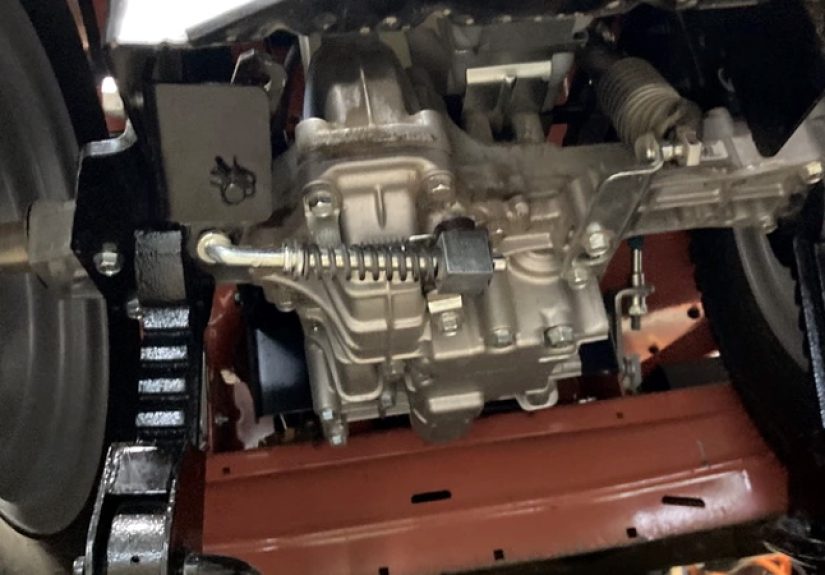
The mower in question wasn’t completely dead. The engine ran, the blades spun, and the yard
was technically mowable. The problem was the locking differential the feature that keeps
both rear wheels driving together so you don’t slide sideways down a hill and invent a new
extreme sport in your backyard.
The owner noticed that flipping the diff-lock switch on the dash did… absolutely nothing.
No sound, no click, no change in traction. But when they crawled underneath and moved the
engagement lever on the transmission by hand, the locking differential snapped right in.
Mechanically, everything was fine. Electrically? Something was sulking.
That’s the first big diagnostic win: separate the mechanical system from the electronic
control. If the mechanical part works manually, the fault lives somewhere in the wiring,
sensors, switches, or actuators that are supposed to move it for you.
Inside the High-Tech Husqvarna: Switches, Actuators, and Limiters
On this mower, the dash switch doesn’t pull a cable or move a rod like older designs.
Instead, it sends power to a linear actuator a small motorized cylinder that extends and
retracts to move the diff-lock lever. That actuator contains:
- A small DC motor and gear train to generate push/pull force.
- A leadscrew or similar mechanism to convert rotation into linear motion.
- Internal limit switches (microswitches) that tell the electronics, “I’m fully in” or “I’m fully out.”
- A simple PCB that routes power and monitors those switches.
When the owner put a multimeter on the wiring, the dash switch and harness checked out fine.
Power was definitely arriving at the actuator connector. But when the actuator was hooked up
to a bench power supply, it just sat there like a very expensive paperweight and, crucially,
it drew almost no current. If it’s not moving and not pulling power, the motor isn’t even trying.
Step-by-Step Diagnosis: From Symptom to Tiny Switch
1. Confirm the real symptom
The mower ran. The diff didn’t lock via the switch. Manually moving the lever worked.
That ruled out catastrophic transmission issues and pointed squarely at the control system.
2. Test the easy stuff first
Before blaming mysterious “electronics,” the owner:
- Checked the dash switch for continuity while toggling it.
- Verified that power was reaching the actuator connector when the switch was on.
- Inspected the wiring for obvious damage or corrosion.
Everything outside the actuator looked good. Time to go deeper.
3. Bench-test the actuator
On the bench, the actuator was powered directly. Still nothing. With no motion and no
current draw, it behaved like a device that believed its job was already done as if some
internal sensor was saying, “Relax, we’re fully extended. No need to move.”
4. Opening the actuator: no magic smoke, just a tiny lie
Inside, the PCB looked clean. No burnt traces, no exploded components. The motor, gears,
and wiring all looked normal. The “aha” moment came from the internal limit microswitches
that tell the circuitry when the actuator has reached the end of its travel.
One of those switches was stuck in the “closed” position effectively shouting,
“We’re fully extended!” even when the actuator was sitting in the middle of its stroke.
Since the control logic thinks it has hit its limit, it refuses to spin the motor to avoid damage.
The miniature culprit? A tiny bent metal contact inside the microswitch, jammed in place and
holding the switch closed. By opening the switch and carefully bending the contact back to its
proper position, the owner restored normal operation. Reassembled and reinstalled, the
actuator came back to life and the locking diff worked like new.
The Miniature Culprit: Why Small Parts Cause Big Problems
It’s almost comical: a four-figure machine sidelined by a component that looks cheaper than the
gum under your workbench. But that’s exactly how modern equipment works a chain of sensors,
switches, safety interlocks, and microcontrollers, all of which must agree before the machine
does anything interesting.
In this case, a single microswitch lied to the system. Similar stories pop up constantly:
seat switches that fail and prevent the mower from staying running, hood interlock switches
that cut spark, or debris in a connector that breaks a low-voltage signal. A part that costs
a couple of dollars can put thousands of dollars’ worth of machinery on the sidelines.
The takeaway: don’t let “it’s electronic” scare you. Most of these parts are simple devices
just smaller and better hidden than the chunky mechanical levers on older tractors.
Common Riding Mower Problems: How This Fix Fits the Bigger Picture
The Hackaday story is fun because it zooms in on a very specific high-tech fault, but it fits
into a larger pattern that repair pros see all the time. Across big and small machines, a few
issues show up over and over:
- Neglected maintenance: Dirty air filters, clogged carburetors, old gas, and weak batteries are still the most common causes of “it won’t start.”
- Safety switches and interlocks: Seat, brake, PTO, and hood switches can fail or get misaligned, shutting the machine down even when nothing is “broken.”
- Belt, blade, and deck problems: Worn belts slip, bent blades vibrate, and packed grass under the deck overloads the engine.
- Wiring and connectors: Corrosion, rodent damage, or even insect debris can break delicate low-voltage circuits.
Compared with those, the stuck microswitch is almost elegant a single internal component
telling a believable lie. But the troubleshooting approach is exactly the same:
- Confirm the symptom.
- Split the problem into mechanical vs. electrical.
- Test the cheap, accessible things first.
- Only then crack open sealed assemblies.
Safety First: Digging Into a Riding Mower Without Hurting Yourself
Before anyone goes charging into their own mower with a screwdriver and misplaced confidence,
let’s talk safety because these machines can bite even when they’re “off.”
- Kill the power: Disconnect the battery and pull the spark plug wire so there’s no accidental start.
- Stabilize the machine: If you’re raising the front or rear, use ramps or jack stands rated for the weight never just a jack.
- Wear proper gear: Gloves, safety glasses, and fitted clothing help avoid cuts, chemical splashes, and caught sleeves.
- Work in a ventilated, well-lit area: Especially important with gas fumes and batteries.
- Keep the manual handy: Diagrams, torque specs, and wiring colors are your best friends once things get complicated.
Tinkering is great; emergency-room field trips are not. Respect the mower, and it’ll respect you back.
Right to Repair: A Big Debate Hidden in a Tiny Switch
One of the most interesting parts of this story is what the owner didn’t do: they didn’t just
order a new actuator and wait. They opened it, traced the fault, and fixed the broken piece
with tools they already owned.
That’s increasingly rare in a world where many manufacturers glue, weld, or encrypt their
products shut figuratively or literally. From tractors to smartphones, owners are facing
locked-down diagnostics, expensive proprietary parts, and policies that push “replace” over “repair.”
This riding mower repair is a small but powerful counterexample. A tiny microswitch, fixed in
minutes, restored an expensive machine to full working order. No dealer visits, no long downtime,
no unnecessary waste. It’s exactly the sort of story that fuels the ongoing right-to-repair
movement and reminds people that curiosity plus a screwdriver can still go a very long way.
DIY Troubleshooting Tips for Modern Riding Mowers
If you’re inspired to chase down your own “miniature culprits,” here are some practical tips
borrowed from small-engine techs and mower maintenance guides:
- Start with the basics: Fresh fuel, clean air filter, good battery, and intact safety switches solve a lot of headaches.
- Use a multimeter: Even a cheap meter can confirm voltage at switches, fuses, and actuators.
- Isolate components: Bench-test suspect parts (like this actuator) when possible. If it doesn’t work off the machine, it won’t work on it.
- Look for simple mechanical binding: Bent brackets, misaligned levers, or caked-on debris can prevent proper movement.
- Take photos as you go: Your phone is your best reassembly manual once you’ve forgotten where that tiny connector went.
- Know when to stop: If the repair crosses into critical safety systems or you’re out of your depth, calling a pro is a smart move.
Real-World Experiences: Tiny Faults, Huge Headaches (Extra Lessons)
The Hackaday mower isn’t the only case where a miniature troublemaker caused a major failure.
Once you start talking to mower techs and DIYers, you hear the same theme over and over: small,
almost ridiculous problems that shut down big, expensive tools.
One repair-shop veteran tells a story about a riding mower with a charging problem that drove
the owner nuts. The battery kept dying, and the machine wouldn’t start two days in a row.
After testing the alternator, voltage regulator, and wiring, the tech finally pulled the ignition
switch apart. Inside was a streak of dried organic gunk likely spider droppings bridging two
contacts. Clean the mess, reassemble the switch, and the charging system sprang back to life.
The “fix” was basically bug cleanup, not part replacement.
Another common headache involves seat safety switches. Many modern riding mowers are wired so
that if the seat switch isn’t pressed, the engine dies the moment you release the brake or
engage the blades. That’s great for safety, but a cracked seat shell or compressed foam can
prevent the switch from being fully depressed. The mower becomes a diva: it will start, but
the second you try to move, it stalls. To the owner, it feels like a major mechanical failure;
in reality, it’s a two-minute switch adjustment or a seat replacement.
Then there’s the fuel story that every small-engine shop can tell in their sleep. Someone rolls
in a mower that “ran perfectly last fall” but now won’t start. They’ve cranked the starter until
the battery is weak, but the engine just coughs or doesn’t fire at all. Pull the carburetor, and
the culprit is obvious: varnished fuel, sticky deposits, and clogged jets from stale gasoline
left in the system over winter. A careful cleaning or rebuild kit, fresh fuel, and sometimes a
new fuel filter, and the mower suddenly behaves like nothing ever happened.
These stories all underline the same points we see in the Hackaday case:
- Don’t assume the worst: A “dead” machine might only have one tiny component out of line.
- Visual inspection matters: You can’t fix what you never look at. Open the covers, inspect switches, and check connectors.
- Cleanliness is underrated: Dirt, moisture, insects, and old fuel do far more damage than most people realize.
- Patience beats panic: Slow, systematic testing works better than randomly swapping parts.
Perhaps the biggest lesson is psychological. Once you successfully track down one of these
miniature villains a bent contact, a jammed microswitch, a corroded terminal your confidence
jumps. You stop seeing modern equipment as black boxes and start treating them as systems you
can understand. That mindset shift is worth as much as the repair itself.
And yes, sometimes you’ll open a component and discover it really is dead beyond practical
repair. Sometimes the best you can do is identify the failure and then order a replacement.
But even then, you’re making informed decisions instead of blindly replacing parts and hoping
for the best.
Conclusion: A Big Win for Small-Scale Repair
“Riding Mower Repair Uncovers Miniature Culprit” isn’t just a catchy headline it’s a compact
lesson in how modern machines fail and how curious owners can bring them back to life. A used
multimeter, a steady hand, and a willingness to open “sealed” parts turned what could have been
an expensive downtime into a satisfying repair story.
Whether you own a high-end Husqvarna, an aging big-box-store mower, or something in between,
the principles are the same: maintain the basics, take safety seriously, diagnose step by step,
and never underestimate the power of a tiny component to cause big trouble. With the right
approach, you might just find that the “miniature culprit” in your own garage is waiting to be
caught and fixed by you.
SEO Summary
meta_title: Riding Mower Repair Uncovers Miniature Culprit
meta_description: A tiny microswitch sidelined a $4,000 riding mower.
Learn how DIY troubleshooting, smart maintenance, and right-to-repair thinking brought it back.
sapo:
When a $4,000 Husqvarna riding mower lost its locking differential, the easy solution was to
ship it off to the dealer and wait. Instead, its owner grabbed a multimeter, opened up the
electronics, and traced the fault to a tiny jammed microswitch inside the diff-lock actuator.
That miniature culprit had convinced the mower it was already fully engaged, silently disabling
a key feature. This in-depth guide walks through the Hackaday-famous repair, explains how modern
riding mowers use sensors, actuators, and safety switches, and shows you how to diagnose common
problems on your own machine. With practical maintenance tips, safety advice, and real-world
examples of “small part, big problem” failures, you’ll see why a bit of curiosity and a
screwdriver can save serious money and downtime.
keywords: riding mower repair, Husqvarna TS 348XD, lawn mower actuator, locking differential problems, microswitch failure, DIY mower troubleshooting, right to repair lawn equipment







 Close
Close