
Table of Contents >> Show >> Hide
- Why Ritz Issued the Recall
- Which Ritz Products Were Affected?
- Why This Labeling Error Was So Serious
- How to Check Your Pantry Without Losing Your Mind
- What Symptoms Should Prompt Immediate Action?
- What the Ritz Recall Says About Food Safety
- What Shoppers and Families Can Learn From This
- Everyday Experiences That Make This Recall Feel Personal
- Final Takeaway
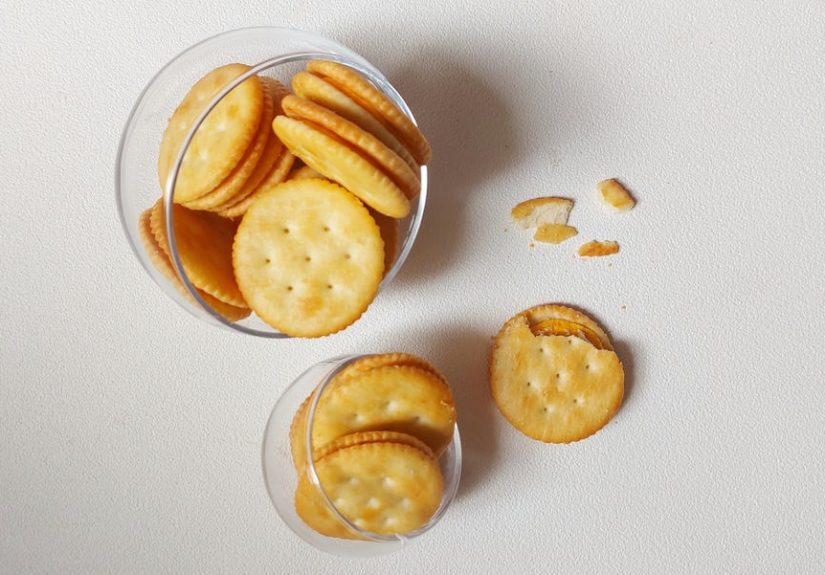
Nothing ruins a perfectly innocent snack break like a surprise plot twist from the cracker aisle. One minute you are grabbing a familiar box of Ritz sandwich crackers, and the next minute you are reading a recall notice and squinting at tiny printed codes like you are defusing a snack-sized bomb. That was the reality for many shoppers after Mondelēz announced a Ritz recall tied to a dangerous labeling error involving peanut butter cracker sandwiches.
This was not a recall about stale crackers, odd texture, or some tragic shortage of cheese dust. The problem was much more serious: certain individually wrapped packs inside some Ritz cartons may have been labeled as the cheese variety even though they actually contained peanut butter. For most people, that sounds annoying. For anyone with a peanut allergy, it can be a very real health risk.
If you have been searching for what happened, which Ritz products were affected, whether the recall was nationwide, and what you should do if a box is sitting in your pantry right now, this guide breaks it all down in plain English. No legalese. No recall gobbledygook. Just the facts, the context, and the practical steps that matter.
Why Ritz Issued the Recall
The core issue behind the Ritz recall was a labeling mismatch. According to recall notices, some individually wrapped cracker sandwich packs that contained peanut butter may have been printed as the cheese variety. That matters because consumers often rely on the label on the individual pack, not just the outer box, to figure out what is safe to eat.
In other words, the danger was not that peanut butter somehow became toxic. The danger was that peanut butter might be hidden behind the wrong label. For people with peanut allergies or severe peanut sensitivity, that kind of mistake is exactly why food recalls exist. A mislabeled allergen can turn a simple snack into an emergency.
The company said the original problem was linked to defective film packaging rolls used for individually wrapped products, and that the defect stemmed from a supplier error. Later in 2025, Mondelēz announced a smaller follow-up recall involving a limited quantity of one SKU in eight states. The company stated that the later action was not an expansion of the earlier nationwide recall, but rather a separate limited recall involving products tied to previously recalled code dates.
That detail is important because it shows how food recalls sometimes work in waves. First comes the broad public alert. Then, if additional affected cases show up in distribution, a narrower recall can follow. It is not glamorous, but it is how companies and regulators try to catch products before they create harm.
Which Ritz Products Were Affected?
The nationwide Ritz recall announced in July 2025
The July 2025 recall covered four carton sizes of Ritz cracker sandwich products made in the United States and sold nationwide at retail stores. The affected cartons were:
- RITZ Peanut Butter Cracker Sandwiches, 8-count, 11.4 oz., UPC 0 44000 88210 5, best when used by dates from November 1, 2025 through November 9, 2025, plant code AE
- RITZ Peanut Butter Cracker Sandwiches, 20-count, 27.6 oz., UPC 0 44000 07584 2, best when used by dates from November 1, 2025 through November 9, 2025 and January 2, 2026 through January 22, 2026, plant code AE
- RITZ Peanut Butter Cracker Sandwiches, 40-count, 55.2 oz., UPC 0 44000 07819 5, best when used by dates from November 1, 2025 through November 9, 2025 and January 2, 2026 through January 22, 2026, plant code AM
- RITZ Filled Cracker Sandwich Variety Pack, 20-count, 27.3 oz., UPC 0 44000 08095 2, best when used by dates from November 2, 2025 through November 9, 2025, plant code RJ
The incorrect inner pack could appear as a 1.38-ounce Ritz Cheese Cracker Sandwich pack, UPC 0 44000 00211 4, even though the actual product may have been the peanut butter variety. That is the part that made this labeling error especially tricky. The outside carton could be right while the individual packs inside could still send the wrong message.
The limited Ritz recall announced in December 2025
In December 2025, Mondelēz issued a more limited recall involving 70 cases of one Ritz Peanut Butter Cracker Sandwich SKU. This follow-up recall was restricted to a 20-count, 27.6-ounce carton with UPC 44000 07584 2, best when used by dates of January 8, 2026 and January 15, 2026, plant code AE.
That limited action applied to products sold in New York, New Jersey, Pennsylvania, Georgia, Arkansas, Missouri, Oklahoma, and Alabama. Again, the issue involved individually wrapped packs that may have been labeled as the cheese variety even though they may actually have contained peanut butter.
The good news, if there is such a thing in recall land, is that Mondelēz said no injuries or illnesses had been reported at the time of either recall announcement. The better news is that the affected products were identified with specific UPCs, dates, and plant codes, which gives shoppers a real way to check what they bought instead of just staring nervously at every cracker box in the pantry.
Why This Labeling Error Was So Serious
Food labeling errors are not all created equal. If a label forgets to mention a flavor note or uses a weird font, that is annoying. If a label hides a major allergen, that is a safety issue.
Peanuts are one of the major food allergens that require clear labeling. For people living with a peanut allergy, reading labels is not some fussy hobby. It is a daily safety routine. A box might be tossed after purchase, but the inner packs often travel everywhere: school lunches, office drawers, handbags, road-trip coolers, soccer sidelines, and vending-machine-adjacent moments of desperation.
That is what made the Ritz recall more than a technical packaging slip. Imagine a parent packing snacks for a child, a teacher sorting classroom treats, or a traveler grabbing a cracker pack from a shared snack bowl. If the individual wrapper says cheese, many people will understandably assume it does not contain peanut butter. That false sense of safety is the whole problem.
The FDA later classified the July 2025 Ritz recall as Class II, which generally means the use of or exposure to the product may cause temporary or medically reversible adverse health consequences, or that the probability of serious adverse health consequences is remote. Even so, peanut allergy reactions can escalate quickly, and the recall notice itself warned that affected consumers could face serious or life-threatening allergic reactions.
How to Check Your Pantry Without Losing Your Mind
If you bought Ritz sandwich crackers in late 2025, especially multi-pack cartons, this is the moment for a calm pantry audit. No dramatic music required.
Step 1: Look at the outer carton
Check the product name, carton size, UPC, best-when-used-by date, and plant code. If your box does not match the recall details, it is not part of this specific recall.
Step 2: Look inside the carton if you still have it
The recall centered on inner packs that may have been labeled as cheese even though they contained peanut butter. If the individual wrappers do not match what the carton says, stop right there and treat the product as recalled.
Step 3: Think about your household risk
If anyone in your home has a peanut allergy, do not eat the product. The official recall advice was to discard affected products. Many consumer-facing reports also noted that shoppers could return affected products to the place of purchase for a refund or replacement, depending on the retailer.
Step 4: Contact the company if needed
Mondelēz provided a consumer contact number for questions about the recall: 1-844-366-1171. If you are unsure whether your product matches the recall, calling is better than guessing.
One more practical note: even if nobody in your house has a peanut allergy, a mislabeled food product is still not something to casually pass along. The smart move is to follow recall guidance rather than turning your pantry into a mystery snack exchange.
What Symptoms Should Prompt Immediate Action?
If someone with a peanut allergy eats a recalled product, do not wait around hoping the situation becomes less exciting. Allergic reactions can range from hives and swelling to breathing difficulty, vomiting, wheezing, or other signs of a severe reaction. Public health guidance stresses that anaphylaxis can develop rapidly and requires immediate care.
If the person has been prescribed emergency medication such as epinephrine, use it as directed and seek emergency medical help right away. When it comes to peanut allergy symptoms, optimism is not a treatment plan.
What the Ritz Recall Says About Food Safety
The Ritz recall is also a useful reminder that food safety is not only about contamination, spoilage, or bacteria. Sometimes the risk is informational. A product can be physically fine and still be dangerous if its label tells the wrong story.
That is why allergen labeling rules matter so much. People with food allergies are making quick safety decisions based on packaging every single day. Clear labeling is not just a compliance box for manufacturers. It is part of the consumer’s protection system.
This case also highlights a less glamorous part of modern food manufacturing: packaging supply chains. A cracker brand may have strong ingredient controls and still run into trouble if a packaging component is wrong. When suppliers, film rolls, printing lines, and packing systems do not line up perfectly, the label in your hand can become less trustworthy than it should be.
To Mondelēz’s credit, the company publicly identified the issue, gave product-specific details, and said corrective actions were being taken. That does not make the recall fun, but it does show why prompt recall notices matter. The goal is not perfection after the fact. The goal is fast damage control before the wrong snack reaches the wrong person.
What Shoppers and Families Can Learn From This
There is a broader lesson here for consumers: if a household member has a serious food allergy, keep outer packaging whenever possible until the product is used up. Yes, this makes kitchen drawers look slightly more chaotic. Yes, it is mildly annoying. But in a recall scenario, the outer carton often carries the UPC, date code, and plant code you need.
It is also wise to double-check individual packs in lunch items, bulk boxes, and variety packs. Those products are convenient, but convenience has a sneaky side effect: once snacks are separated from their original box, crucial information can disappear.
For schools, workplaces, and shared spaces, this recall is a solid reminder not to assume a snack is safe just because it looks familiar. If food is going to be shared with people who may have allergies, original packaging and readable ingredient information should travel with it. A lonely wrapper found at the bottom of a tote bag is not exactly a gold-standard food safety document.
Everyday Experiences That Make This Recall Feel Personal
Recalls like this hit differently when you think about how people actually eat snacks in real life. Most cracker sandwiches are not enjoyed in some ideal test kitchen where the full carton, ingredient panel, and a magnifying glass sit nearby. They get tossed into backpacks, glove compartments, lunch boxes, office kitchens, diaper bags, and hotel room snack piles. That everyday convenience is exactly why a labeling error on an individual pack matters so much.
For parents of kids with peanut allergies, a recall like this can feel exhausting even when nobody gets hurt. Many families already run a tight routine: read every label, re-check familiar brands, teach kids not to swap snacks, keep medication nearby, and politely become the world’s least glamorous detective at birthday parties. When a familiar product gets recalled because the inside wrapper may say one thing while containing another, it chips away at the confidence people build through those routines.
There is also the frustration factor. Imagine buying a large multi-pack because it is on sale, tossing the box after loading the individual packs into a pantry bin, and then hearing about a recall days later. Now you are standing in the kitchen holding a handful of little cracker packs, trying to remember where you bought them and whether the date code matched the affected lot. That experience is not rare. It is how many people actually store snack foods.
Office workers can relate too. Shared snack drawers are the wild west. Somebody opens a family-size carton, throws the individual packs into a basket, and suddenly no one knows where anything came from. In a recall tied to a major allergen, that casual system stops being cute and starts being risky. The same goes for road trips, after-school programs, sports teams, and travel snacks grabbed in a rush.
Another real-world issue is trust. Consumers tend to believe that a well-known brand equals a low chance of confusion. Most of the time that is fair. But the Ritz recall shows that even established brands can run into packaging failures. The lesson is not to panic every time you buy crackers. The lesson is to respect recall alerts when they happen and to treat product codes like useful information instead of random kitchen hieroglyphics.
For households without peanut allergies, the recall may have felt like background noise. For allergy-aware families, it was probably another reminder that food safety is often about details invisible to everyone else. A tiny word like “cheese” printed where “peanut butter” should have been can completely change the risk level of a product. That is why recall communication needs to be specific, plainspoken, and fast.
There is, however, one reassuring takeaway. This recall also showed the value of public notices, retailer alerts, and food safety reporting. The details got out. Product lists were published. Consumers were told what to look for. That system is not perfect, but it exists for a reason. When it works, people check their pantries, toss the affected product, and move on with one less hazard lurking next to the cereal box.
So yes, a cracker recall sounds a little absurd on the surface. But for the people who count on labels to stay safe, it is not small at all. It is personal. It is practical. And it is exactly why knowing what to look for matters.
Final Takeaway
The Ritz recall after a dangerous labeling error is a textbook example of how a seemingly simple packaging problem can become a serious public health issue. The recalled products were not pulled because Ritz suddenly forgot how to make crackers. They were recalled because some individual packs may have told consumers the wrong thing about what was inside.
If you purchased Ritz Peanut Butter Cracker Sandwiches or Ritz Filled Cracker Sandwich Variety Packs in the affected sizes and date ranges, check the UPC, date, and plant code carefully. If there is any match and your household includes someone with a peanut allergy, do not take chances. Discard the product or follow retailer instructions for return or refund. Then let your pantry go back to being boring, which is honestly what every pantry should aspire to be.




 Close
Close