
Table of Contents >> Show >> Hide
- What Makes This Pumpkin Bread “Make-It-Every-Weekend” Good?
- The Pumpkin Bread Recipe
- Small Technique Choices That Make a Big Difference
- Flavor Variations You’ll Actually Want to Repeat
- How to Store, Freeze, and Reheat Like a Pro
- Quick Troubleshooting FAQ
- Weekend Pumpkin Bread Experiences (Because This Loaf Is a Lifestyle)
- SEO Tags
Fall has a soundtrack: crunchy leaves, a kettle that won’t stop whistling, and your oven preheating like it has plans.
And fall has a smell: cinnamon, vanilla, and pumpkin doing that cozy-group-hug thing in the air.
If you’ve ever baked pumpkin bread once and then immediately started mentally rationing slices like a squirrel with a retirement fund, you already know the truth:
pumpkin bread isn’t just a recipeit’s a weekend tradition that keeps “Sunday scaries” from winning.
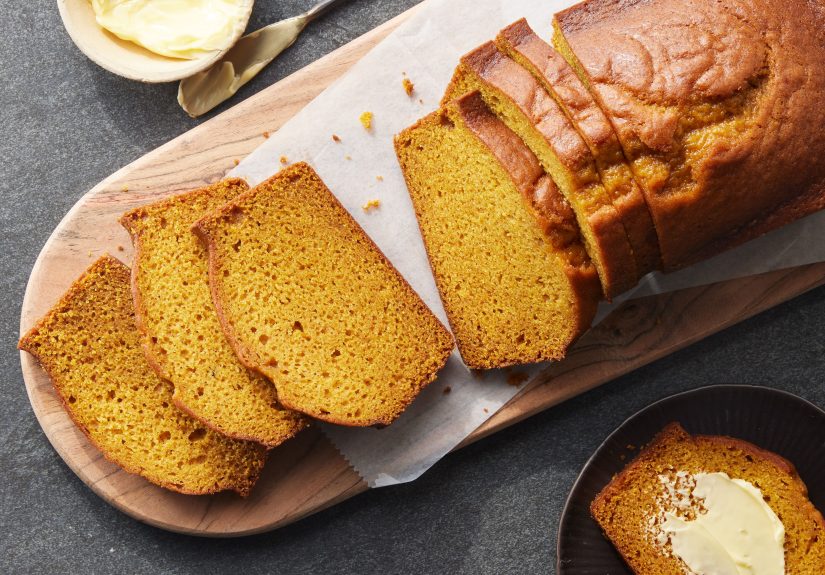
This version is the one you’ll make on repeat because it’s reliably moist (no sad, dry loaf energy), deeply spiced (without tasting like a candle),
and simple enough to pull off even if you’re baking in pajama pants while negotiating with a tiny household committee (kids, roommates, or your own tired brain).
It uses a full can of pumpkin for convenience, a smart mix of fats for flavor and tenderness, and a few small technique tweaks that make a big difference.
What Makes This Pumpkin Bread “Make-It-Every-Weekend” Good?
1) Moisture without the gummy middle
Pumpkin brings moisture, but too much moisture + overmixing can create that unfortunate “why is the bottom kind of… sticky?” situation.
The fix isn’t complicated: measure flour correctly, don’t overmix, and bake until the loaf is truly done.
This recipe also uses yogurt (or sour cream) to keep the crumb tender without turning it wet.
2) Real pumpkin flavor (not just spice)
A lot of pumpkin breads taste like spice cake wearing an orange sweater.
Using a full can of pumpkin, plus vanilla and a touch of molasses or maple (optional but delightful), helps the pumpkin actually show up.
3) Balanced sweetness
This loaf is sweet enough to feel like a treat, but not so sweet that you need to “justify it” as dessert.
Brown sugar adds a subtle caramel note that tastes like fall got a promotion.
The Pumpkin Bread Recipe
Yield & timing
- Makes: 1 standard loaf (9×5-inch) or 2 smaller loaves (8×4-inch)
- Prep: 15 minutes
- Bake: 55–70 minutes (varies by pan)
- Cool: at least 20–30 minutes before slicing (yes, it’s hard; you’re strong)
Ingredients
- 1 3/4 cups (210g) all-purpose flour
- 1 teaspoon baking soda
- 1/2 teaspoon baking powder
- 1 teaspoon fine salt
- 2 teaspoons ground cinnamon
- 1 teaspoon ground ginger
- 1/2 teaspoon ground nutmeg
- 1/4 teaspoon ground cloves
- 1/4 teaspoon ground allspice (optional but recommended)
- 1 cup (200g) packed light or dark brown sugar
- 1/2 cup (100g) granulated sugar
- 2 large eggs, room temp if possible
- 1/2 cup neutral oil (canola, vegetable, avocado)
- 3 tablespoons melted unsalted butter (for flavor; optional but excellent)
- 1 can (15 oz / 425g) pumpkin purée (not pumpkin pie filling)
- 1/3 cup plain yogurt or sour cream
- 2 teaspoons vanilla extract
- 1 tablespoon molasses or maple syrup (optional; adds depth)
Optional toppings & mix-ins
- 2–3 tablespoons coarse sugar for a crackly top
- 1/2 cup chocolate chips
- 1/2 cup chopped toasted walnuts or pecans
- 1/3 cup pepitas (pumpkin seeds) for crunch
- 1/2 cup dried cranberries (toss with a teaspoon of flour so they don’t sink)
Equipment
- 9×5-inch loaf pan (or two 8×4-inch pans)
- Parchment paper (highly recommended for easy removal)
- Two mixing bowls, whisk, spatula
Instructions
-
Prep your pan and oven.
Preheat to 350°F. Line your loaf pan with parchment, leaving a little overhang. Lightly grease exposed sides. -
Mix the dry ingredients.
In a medium bowl, whisk flour, baking soda, baking powder, salt, and all spices until evenly combined.
(This helps avoid “surprise clove pocket” later.) -
Mix the wet ingredients.
In a large bowl, whisk brown sugar, granulated sugar, eggs, oil, and melted butter until smooth and glossy.
Whisk in pumpkin, yogurt/sour cream, vanilla, and molasses/maple if using. -
Combinegently.
Add dry ingredients to the wet and fold with a spatula just until no dry streaks remain.
The batter should look thick and a little lumpy. Stop mixing the moment it comes together. -
Add mix-ins (optional).
Fold in chocolate chips, nuts, pepitas, or cranberries. Keep it reasonablethis is pumpkin bread, not trail mix glued together with hope. -
Bake.
Scrape batter into the pan and smooth the top. If using coarse sugar or pepitas, sprinkle now.
Bake 55–70 minutes (start checking at 50). A toothpick should come out with a few moist crumbsnot wet batter. -
Cool properly.
Cool in the pan 15 minutes, then lift out using parchment and cool on a rack at least 20–30 minutes before slicing.
(Warm pumpkin bread is tempting, but slicing too early can make it seem underbaked.)
Small Technique Choices That Make a Big Difference
Use pumpkin purée, not pumpkin pie filling
Pumpkin pie filling already contains sugar and spices, so using it can throw off sweetness and seasoning.
Stick to plain pumpkin purée so you control the flavor.
Measure flour like you actually want consistent results
If you scoop flour straight from the bag, you can pack in extra flourhello, dry loaf.
Spoon flour into the measuring cup and level it off, or use a kitchen scale if you want peak “I bake now” energy.
Don’t overmix
Pumpkin bread is a quick bread, meaning it relies on chemical leaveners (baking soda/powder), not yeast.
Overmixing develops gluten and can make the loaf tough or oddly dense.
Fold until just combinedthen walk away like a responsible adult.
Don’t underbake (the center needs time)
Pumpkin batter is thick and moist, so it takes a while for the center to set.
If the top is browning too fast, tent loosely with foil for the last 15–20 minutes.
And remember: your oven has a personality. Some are sweet. Some are chaotic. Adjust accordingly.
Flavor Variations You’ll Actually Want to Repeat
Chocolate chip pumpkin bread
Add 1/2 cup chocolate chips. If you want to keep chips from sinking, toss them with a teaspoon of flour first.
Bonus: sprinkle a few on top for bakery vibes.
Nutty, toasty fall loaf
Toast walnuts or pecans for 7–9 minutes at 350°F, cool, then fold in 1/2 cup.
Toasting turns “nice” into “wow, what is that flavor?”
Streusel topping (weekend “extra” mode)
Mix 3 tablespoons melted butter + 1/3 cup brown sugar + 1/3 cup flour + pinch of salt + 1/2 teaspoon cinnamon.
Sprinkle over batter before baking. It bakes into a crunchy, buttery crown.
Cream cheese swirl (because fall deserves drama)
Beat 4 oz cream cheese + 1/4 cup sugar + 1 egg yolk + 1/2 teaspoon vanilla.
Pour half the batter, dollop cream cheese, top with remaining batter, and gently swirl with a knife.
How to Store, Freeze, and Reheat Like a Pro
Room temp
Wrap the cooled loaf tightly and store at room temperature for up to 3–4 days.
Pumpkin bread often tastes even better on day two, when the spices mellow and settle in.
Freeze
Freeze the whole loaf or individual slices. Wrap in plastic wrap, then foil, then place in a freezer bag.
Freeze up to 2–3 months. Thaw overnight in the fridge or at room temperature.
Reheat
For a cozy slice: toast lightly, then add butter, salted maple butter, or cream cheese.
(If you do cream cheese, you are legally required to call it “breakfast,” not “cake.”)
Quick Troubleshooting FAQ
Why did my pumpkin bread sink in the middle?
Most often: underbaking, too much moisture, or opening the oven repeatedly while it’s still setting.
Bake until the center is truly done, and let it cool before judging it.
Why is it dense?
Overmixing, expired leaveners, or too much flour can cause density.
Make sure your baking soda/powder are fresh and mix gently.
Can I make muffins instead?
Yes. Divide into a lined muffin pan and bake at 350°F for about 18–24 minutes.
Start checking at 16 minutes.
Weekend Pumpkin Bread Experiences (Because This Loaf Is a Lifestyle)
There’s something quietly heroic about making pumpkin bread on a weekend. It’s not flashy like a layer cake, and it doesn’t require a stand mixer that sounds like a small helicopter.
It’s the kind of baking you do while your coffee is still hot and the day still feels wide openlike you’re setting the tone for the whole weekend with flour-dusted confidence.
Experience number one: the “first slice negotiation.” You pull the loaf from the pan, it’s warm, your kitchen smells like cinnamon and victory, and suddenly everyone becomes a food critic.
Someone suggests “just a tiny slice,” another person requests the end piece (the audacity), and you’re standing there with a knife thinking, “I made this. I control the crumb.”
The solution is always the same: cut a slightly-too-generous slice, pretend it was an accident, and smile like a benevolent ruler.
Then comes the second experience: the butter debate. Half the household wants butter. The other half wants cream cheese.
Someone tries to get fancy with honey. Somebody else swears a toasted slice is superior. You try them all because you’re conducting important research.
The toast version wins when the edges go crisp and the middle stays tenderlike a warm sweater with good boundaries.
There’s also the “errand fuel” moment: you wrap up two slices in foil, toss them in a bag, and suddenly your Saturday errands feel like a fall movie montage.
You’re in line somewhere, you remember you have pumpkin bread, and life improves by 37%.
It’s not that pumpkin bread fixes everythingit’s that it makes boring things feel a little more intentional.
If you bake it for guests, you’ll witness the universal pumpkin bread reaction: people cutting “a small slice” that somehow becomes a large slice.
They’ll ask what’s in it, like you’ve hidden a secret ingredient from the archives of deliciousness.
(Your secret ingredient is the yogurt/sour cream and the fact that you didn’t overmix, but it’s fun to let them believe you made a mystical pact with autumn.)
And don’t overlook the experience of baking it “just because.” No party, no potluck, no reason beyond “it’s a weekend and I want my home to smell like fall.”
That’s not extra. That’s self-care with cinnamon.
The loaf cools on the counter while you do other thingslaundry, a book, a walk, a nap that accidentally becomes a second nap.
Every time you pass through the kitchen, you catch that warm spice scent and think, “Yes. I am thriving.”
The best part might be the day-after slice. Pumpkin bread matures overnight. The crumb settles, the spices meld, and the flavor gets deeperlike it went to sleep and woke up with better priorities.
You cut a slice the next morning and it tastes like you planned your life.
Even if you’re eating it standing up, in socks, while staring into the fridge like it owes you answers.
Eventually, pumpkin bread becomes a signal: fall is here, weekends are for slowing down, and your kitchen can be a place where something comforting happens on purpose.
Make it once and you’ll understand why it keeps coming backevery fall weekend, like clockwork, like cozy weather, like the sudden urge to buy more candles than any one person needs.






 Close
Close