
Table of Contents >> Show >> Hide
- Before You Reuse Oyster Shells: A Quick Prep + Safety Checklist
- Uses for Oyster Shells in the Garden and Yard
- Uses for Oyster Shells for Chickens and Backyard Animals
- Uses for Oyster Shells Around the Home (DIY Without the Regrets)
- Uses for Oyster Shells That Help the Environment (Big Impact, Best Done Together)
- Uses for Oyster Shells in Construction and Materials (Cool, But Not a Weekend Project)
- How to Choose the Best Oyster Shell Option for Your Goal
- Real-World Experiences with Oyster Shells (What People Learn After the First Bag)
- Conclusion
If you’ve ever hosted an oyster night (or just really committed to a seafood tower), you know the problem:
delicious oysters… followed by a suspiciously large pile of shells that makes your trash can smell like low tide.
The good news is oyster shells aren’t “gross waste.” They’re mostly calcium carbonatebasically nature’s slow-release,
multitool mineraland they can be reused in ways that are practical, planet-friendly, and (yes) kind of fun.
Below are smart, real-world uses for oyster shellsfrom garden soil to chicken coops to coastal restorationplus how
to prep them safely so you don’t accidentally invent “Eau de Dumpster” as a new home fragrance.
Before You Reuse Oyster Shells: A Quick Prep + Safety Checklist
Oyster shells are tough and sharp. Treat them like you’d treat broken ceramic: helpful, but not barefoot-friendly.
Here’s a simple prep routine most home uses have in common.
Step 1: Rinse and de-gunk
Rinse shells thoroughly to remove salt and any remaining tissue. Leftover bits are what cause the big stink and can
attract pests. A strong rinse is usually enough for landscaping and garden uses.
Step 2: Dry (and optionally heat to sanitize)
Spread shells out in the sun to dry completely. If you’re making crafts or using shells anywhere people/pets will
handle them a lot, you can also heat them gently in the oven to help dry and sanitize. (Keep the temperature moderate;
you’re drying, not trying to turn them into industrial lime.)
Step 3: Crush to match the job
Whole shells work for some projects, but most household uses are better with crushed shell:
it breaks down faster in soil, compacts better in paths, and is easier to spread. Use a sturdy bag and a mallet, or a
dedicated crusher tool. Wear gloves and eye protectionshell shrapnel is not the vibe.
Step 4: Don’t “return them to nature” the wrong way
Tossing shells into bays, lakes, or canals can be illegal and harmful if done improperly. Reef-building and shoreline
projects require curing time and permits. If you want shells to help the environment, the best move is to donate them
through a shell recycling program or follow local guidance.
Uses for Oyster Shells in the Garden and Yard
In gardening circles, oyster shells are famous for two things: calcium and “sweetening” soil (raising pH). But they’re
not a magic sprinkle for every yard. Used thoughtfully, though, they’re a fantastic, slow-acting amendment and a
surprisingly pretty landscape material.
1) Soil amendment for calcium (and a gentle pH lift)
Oyster shells are primarily calcium carbonate, similar to garden lime, but they usually break down more slowlyespecially
if you leave them in larger pieces. That slow release can be a bonus: instead of a quick pH swing, you get a gradual
nudge toward less acidity while adding calcium along the way.
This can be useful in soils that are too acidic for many vegetables and ornamentals, and for plants that appreciate
calcium availability (think tomatoes, peppers, squash, and many brassicas). But it’s not universal:
if you’re growing acid-loving plants like blueberries, azaleas, rhododendrons, or camellias, oyster shell can push the
soil in the wrong direction.
How to use it: Start with a soil test if possible. If your soil is already neutral to alkaline, skip the
shells as an amendment and use them for paths or crafts instead. If your soil trends acidic, mix finely crushed shell into
the top few inches of soil or blend it into compost before spreading.
2) Compost helper (with realistic expectations)
Compost and oyster shells can be friendsbut only if you accept one truth: shells don’t disappear quickly.
In a typical backyard compost pile, chunks may still be recognizable months later. That’s not a failure; it’s just geology
having excellent boundaries.
Crushed shells can help add minerals and may buffer overly acidic compost. They also improve texture, which can help aeration.
The key is moderation. If you add too much shell, you can shift pH upward and slow the breakdown of some materials.
How to use it: Rinse, dry, crush, then sprinkle a small amount as you build layers. If you want faster results,
grind shells into smaller particles and use them as a “mineral dusting” rather than a chunky layer.
3) Mulch and decorative groundcover
Crushed oyster shell can work as a bright, coastal-style mulch around beds and borders. As a groundcover, it’s long-lasting,
helps reduce mud in high-traffic areas, and can make paths and garden edges look crisp and intentionallike your yard has a
capsule wardrobe.
Because it’s calcium carbonate, shell mulch can gradually make soil more alkaline right where it sits. That’s great under
plants that prefer neutral-to-slightly-alkaline conditions. It’s not great under acid lovers. If you want the look without
affecting soil as much, install landscape fabric beneath the shells and keep the shell layer more superficial.
4) Garden paths, patios, and “fancy-but-practical” walkways
Oyster shell paths are a classic for a reason: they’re permeable (so puddles are less dramatic), they compact into a stable
surface, and they bring a bright, beachy look without requiring you to move to Cape Cod.
Basic method: Define the area with edging, level and tamp the base, add a compactable layer (often crushed
stone or similar base material), then spread oyster shell and tamp again. Top up as needed over time.
If you live in a very rainy area, edging and a solid base layer matter even more to keep shells from migrating like they’re
trying to start their own neighborhood.
5) Slug and snail “barrier” (a maybe, not a miracle)
You’ll hear that sharp shells deter slugs and snails. Sometimes a rough, scratchy surface does slow them down, but it’s not
a guaranteed force field. Rain, soil splash, and plant debris can bridge the barrier quickly.
Best practice: If you try it, use a dry, wide band of coarse crushed shell and refresh after heavy rain.
Combine with proven tactics like hand-picking at dusk, habitat cleanup, and targeted bait where appropriate.
Uses for Oyster Shells for Chickens and Backyard Animals
If you keep laying hens, oyster shell is basically the classic “calcium insurance policy.” Eggshells are made largely of
calcium, and hens draw from dietary sources (and their own stores) to keep production going.
6) Calcium supplement for laying hens
Crushed oyster shell is commonly offered to laying hens as a free-choice supplement. Many keepers provide it in a separate
feeder so hens can self-regulatetaking more when they need it and ignoring it when they don’t.
Important nuance: Not all birds need it. Chicks and non-laying birds generally don’t need extra calcium,
and too much can be harmful. For mixed flocks, offering oyster shell in a separate container (not mixed into all feed)
helps ensure only the birds that need it consume it.
Also note: Oyster shell isn’t the same as grit. Grit helps chickens grind food in the gizzard. Oyster shell is
primarily for calcium. Many flocks need both, but they serve different jobs.
7) Supplemental calcium for some other birds (with care)
Some bird keepers use oyster shell as a calcium source for certain birds during egg-laying periods. The same rule applies:
calcium needs vary, and “more” is not automatically “better.” If you’re not sure what your birds require, ask a vet or an
experienced local poultry resource.
Tip: For animal use, it’s safest to buy feed-grade oyster shell sold for poultry rather than repurposing shells
from a restaurant pile. Feed-grade products are processed with animal safety in mind.
Uses for Oyster Shells Around the Home (DIY Without the Regrets)
Oyster shells have one big hidden talent: they look fancy even when they’re free. With a little prep, they can become decor,
functional household helpers, or conversation starters that don’t require you to say, “I found this on the curb.”
8) Crafts and home decor
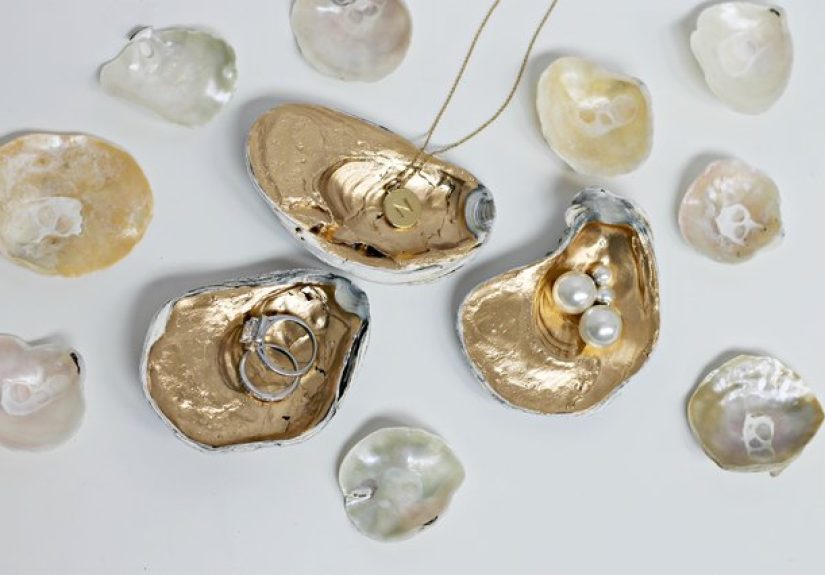
Cleaned shells can be used for ring dishes, candle holders, holiday ornaments, mosaic accents, or coastal centerpieces.
Because each shell is different, the finished look feels organic and one-of-a-kind.
Craft sanity tips: Dry shells fully to avoid lingering odor. Sand sharp edges if the piece will be handled often.
Seal with a clear craft sealant if you want a glossy, easy-to-clean finish.
9) Traction on slippery steps (a “crunchy” alternative)
In some places, crushed shells have been used as traction material on icy or slick surfaces. The rough texture helps provide
grip. That said, shells can be sharp and can scatterso use caution, sweep up afterward, and avoid areas where bare feet,
paws, or delicate surfaces are a concern.
10) Aquarium and water buffering (only if you know your system)
Calcium carbonate materials are sometimes used to raise hardness and stabilize pH in certain aquarium setups. Oyster shell can
have a similar effect, but this is not a “toss it in and hope” situation. Water chemistry is picky.
If you explore this: Use thoroughly cleaned material, go slowly, and monitor water parameters carefully.
When in doubt, use aquarium-specific products and guidance tailored to your species.
Uses for Oyster Shells That Help the Environment (Big Impact, Best Done Together)
One of the most powerful uses for oyster shells isn’t in your yard at allit’s in restoration. Across the U.S., shell recycling
programs collect used shells from restaurants and communities, then cure them outdoors for months before placing them in the
water as a foundation for new oyster growth.
11) Oyster reef restoration (the “shells go back” plan that actually works)
Oyster larvae prefer to attach to shellespecially oyster shell. Recycling programs cure shells (often for about 6 months,
sometimes longer) so any remaining tissue breaks down and potential pathogens are reduced. Then the shells are placed in
bags or reef structures and deployed to encourage new reefs.
Reefs do more than grow oysters: they provide habitat for fish and crabs, improve water clarity through filtration, and can
reduce shoreline erosion by acting like natural breakwaters.
12) Living shorelines and coastal resilience projects
“Living shoreline” projects often use natural materialslike bagged shellspaired with plants and structures designed to
reduce erosion while supporting wildlife. Shell-based shorelines can help rebuild oyster habitat and soften wave energy
compared with hard seawalls.
13) Community science and education
Many restoration efforts partner with schools and volunteers. It’s hands-on learning with real ecological outcomes:
collecting, sorting, curing, and preparing shell for reefs. If you love the idea of oyster shells doing good, this is one of
the most meaningful ways to plug in.
Uses for Oyster Shells in Construction and Materials (Cool, But Not a Weekend Project)
On the industrial side, oyster shells are being researched and used as partial replacements for certain construction materials,
and as a source for lime-like binders or fillers after high-temperature processing. Crushed shell can also be used in some
mixes as an aggregate substitute in experimental and specialized applications.
The important takeaway for homeowners: the truly “industrial” transformations often require high heat, controlled processes,
and safety measures. Enjoy the fact that your shells have a second life in the worldjust don’t try to reinvent cement in
your backyard fire pit.
How to Choose the Best Oyster Shell Option for Your Goal
If your goal is healthier plants
- Use finely crushed shells in acidic soil (after a soil test if possible).
- Skip shells around acid-loving plants.
- Rinse well to reduce salt before using in beds.
If your goal is better eggs
- Use feed-grade oyster shell marketed for poultry.
- Offer free-choice in a separate feeder so only layers consume it.
- Remember: oyster shell (calcium) is not the same as grit (digestion).
If your goal is a prettier yard
- Use shells for paths, patios, borders, or decorative mulchespecially with edging for containment.
- Plan for occasional top-ups as shells settle and compact.
If your goal is environmental impact
- Donate shells through a local shell recycling program when available.
- Don’t dump shells into waterwaysrestoration needs curing time and proper placement.
Real-World Experiences with Oyster Shells (What People Learn After the First Bag)
The internet makes oyster shells sound like a magical ingredient that instantly fixes gardens, strengthens eggs, and turns
your walkway into a coastal resort. In real life, the results are still greatjust a little more “steady and practical”
than “overnight transformation.” Here are the kinds of experiences gardeners, chicken keepers, and DIYers commonly report,
plus the lessons that tend to stick.
The garden pH surprise: A lot of first-timers spread crushed shells because they heard “calcium is good,” then
wonder why their blueberries sulk like teenagers asked to do the dishes. The lesson is simple: oyster shell is best treated
like a slow liming material. In an already-neutral bed, it may not do much quickly. In an acidic bed, it can be helpful.
Around acid-loving shrubs, it’s usually a mismatch. People who get the best results tend to start with a soil test or at
least pay attention to which plants like alkaline conditions (lavender, many brassicas) and which don’t.
The compost reality check: Many composters toss in a pile of shells and expect them to vanish like banana peels.
Months later, they’re still there, looking smug. What experienced composters do differently is crush shells smaller and treat
them as a mineral additionnot a main ingredient. They also accept that a few shell bits in finished compost are normal,
kind of like finding a Lego in the vacuum: not ideal, but not the end of civilization.
The “my eggs got better” moment: Chicken keepers often notice the benefits of oyster shell during peak laying,
when hens are cranking out eggs like it’s their full-time job (because it is). People commonly report stronger shells and fewer
thin-shelled or brittle eggs once free-choice oyster shell is availableespecially for older hens or during times of stress.
The big “aha” is that free-choice matters. When oyster shell is offered in its own feeder, hens that need it go for it, and
birds that don’t generally ignore it. Mixed flocks do best when oyster shell isn’t dumped into the main feed for everyone.
The path that looks expensive (but isn’t): DIYers love oyster shell pathways because the look punches above its
price. The most common beginner mistake is skipping edging or base prep. Without a border, shells migrate. Without a compacted
base, shells sink unevenly and collect in low spots. People who are happiest with their results usually do three things:
(1) install solid edging, (2) tamp the base like they mean it, and (3) top up lightly after the first few rains as everything
settles into place.
The smell lesson: Anyone who stores un-rinsed shells “for later” learns quickly that later may never come, because
the smell will evict you first. The experienced approach is rinse immediately, dry completely, then store in a breathable bag
or open bin until you’re ready to crush or use them. Sun-drying outdoors is the crowd favorite because it solves odor and makes
shells easier to break down mechanically.
The “I want to help the ocean” upgrade: Some people start with oyster shells as a home project and end up discovering
shell recycling programs and restoration efforts. That’s often the most satisfying experience of all: realizing your leftovers
can become the foundation of future oyster habitatafter proper curing and handling through legitimate programs. The takeaway is
that environmental uses are real and impactful, but they’re best done through coordinated projects rather than DIY dumping.
Once people volunteer or donate shells the right way, oyster night feels a little less like “trash creation” and a little more
like “participation in a very delicious circular economy.”
In short: oyster shells reward the slow-and-steady approach. Crush them to match your purpose, use them where calcium and a
gentle pH lift make sense, prep them so they don’t stink, andif you canroute them into a local recycling effort. You’ll get
fewer surprises, better results, and a lot more satisfaction out of what used to be “just leftovers.”
Conclusion
Oyster shells are one of those rare “waste products” that are actually a resource in disguise. With a rinse, a dry, and the
right level of crushing, they can support healthier soil, stronger eggs, cleaner-looking garden paths, and even larger
restoration efforts that help rebuild oyster habitat and protect coastlines. The trick is using them intentionally:
match the shell to the job, avoid acid-loving plants, keep chicken use feed-grade and free-choice, and donate shells through
proper programs when you want them back in the water. Your oysters can be a feast today and a foundation tomorrowno landfill
required.





 Close
Close