
Table of Contents >> Show >> Hide
- Why Origami Works So Well in Endangered Animals Lessons
- Connecting Origami to Real Conservation Concepts
- Lesson Plan: Origami Endangered Animal Gallery
- Cross-Curricular Benefits of Origami Conservation Lessons
- Best Endangered Animals for Elementary Origami Projects
- Classroom Management Tips for Origami Lessons
- Assessment Ideas That Go Beyond “Nice Turtle”
- How to Keep the Lesson Hopeful
- Experiences From Teaching Origami and Endangered Animals
- Conclusion
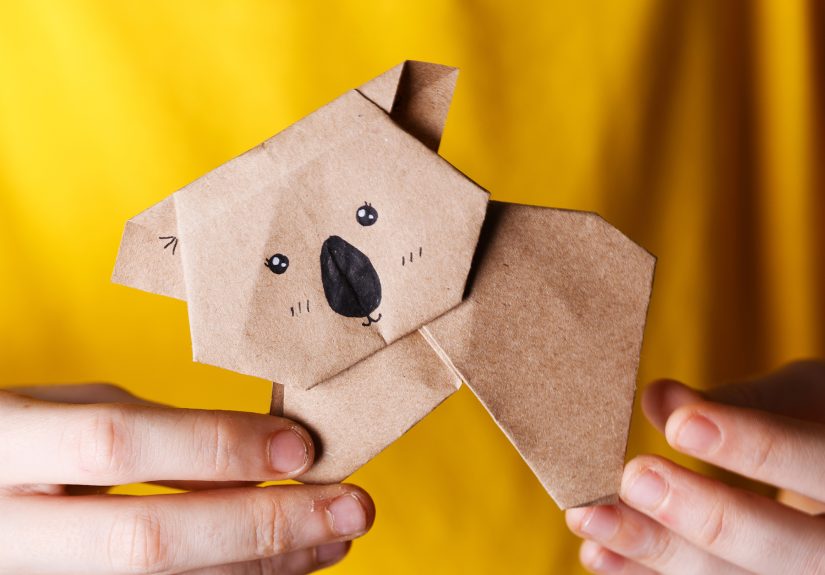
Teaching elementary students about endangered animals can feel like trying to explain a rainforest with a toothpick: the subject is huge, emotional, scientific, and sometimes a little overwhelming. But hand a child a square piece of paper, teach them a few careful folds, and suddenly conservation becomes something they can hold in their hands. That is the quiet magic of using origami to teach elementary students about endangered animals.
Origami turns a flat sheet of paper into a sea turtle, crane, frog, elephant, whale, butterfly, or tiger. More importantly, it turns a lesson into an experience. Students are not just listening to facts about habitat loss, pollution, poaching, climate change, and species recovery. They are folding, predicting, comparing, problem-solving, laughing at crooked turtle flippers, trying again, and connecting a living creature to a real-world story.
For young learners, endangered species education works best when it is active, visual, and hopeful. Children need accurate information, but they also need entry points that match their age and imagination. Origami offers exactly that. It blends science, art, math, geography, reading, writing, and social-emotional learning into one surprisingly powerful classroom activity. Yes, it may also leave tiny paper triangles under the desks. Consider them confetti for conservation.
Why Origami Works So Well in Endangered Animals Lessons
Origami is more than a craft. It is a hands-on learning tool that asks students to observe closely, follow sequences, use spatial reasoning, recognize shapes, and persist through mistakes. In an elementary classroom, those skills matter. A child who folds a diagonal crease is practicing geometry. A child who reverses a fold and fixes it is building problem-solving stamina. A child who turns a paper square into a sea turtle is using imagination to make science memorable.
When the subject is endangered animals, origami adds emotional connection. A worksheet might tell students that sea turtles face threats from plastic pollution, fishing gear, coastal development, and warming nesting beaches. A folded sea turtle invites students to slow down and notice the animal’s body: shell, flippers, head, movement, and habitat. The paper model becomes a tiny ambassador, sitting on a desk and whispering, “Please do not throw snack wrappers into the ocean.”
Origami also makes abstract environmental issues easier to understand. Terms like “habitat fragmentation,” “biodiversity,” and “population decline” can sound enormous to third graders. But when students place their origami animals on a classroom habitat map, they can see how forests, wetlands, oceans, deserts, grasslands, and rivers support life. When part of the map is covered with “roads,” “trash,” or “lost habitat” cards, students can physically see how animals lose space and resources.
Connecting Origami to Real Conservation Concepts
A strong origami endangered animals lesson should not stop at “Look, we made cute pandas.” Cute is useful, of course. Cute opens the door. But the learning deepens when each folded animal connects to real conservation ideas.
1. Endangered Means At Risk of Disappearing
Elementary students need a clear, age-appropriate definition. An endangered animal is a species at serious risk of disappearing from the wild if people do not help protect it and its habitat. Students can compare the idea to a classroom library with only one copy of a favorite book left. If it gets lost, no one can read it anymore. That simple analogy helps children understand why every species matters.
2. Animals Need Habitats, Not Just Sympathy
Children often want to “save the animals” immediately, which is wonderful. The next step is helping them understand that animals need homes. Sea turtles need clean beaches and healthy oceans. Red wolves need protected wild spaces. Black-footed ferrets need prairie dog colonies. Bog turtles need wetlands. California condors need safe skies and clean food sources. Origami models can be placed into paper habitats so students see that conservation is not only about the animal; it is also about the place where the animal lives.
3. Human Choices Can Hurt or Help Wildlife
Endangered species lessons should be honest without making children feel helpless. Origami gives teachers a gentle way to move from problem to action. After folding an animal, students can write one threat on a small card and one solution on another. For example, a paper sea turtle might come with the threat “plastic trash in the ocean” and the solution “use reusable items and pick up litter safely with an adult.” A paper elephant might come with “loss of habitat” and “support wildlife-friendly choices.” The goal is not to turn seven-year-olds into policy analysts by Friday. The goal is to help them see that informed choices matter.
Lesson Plan: Origami Endangered Animal Gallery
This classroom activity works well for grades 2 through 5 and can be adjusted for younger or older students. It combines art, science, reading, writing, and speaking. It can be completed in one long session or spread across a week.
Materials
- Square origami paper or recycled paper cut into squares
- Simple origami animal instructions
- Photos or printed fact cards about endangered animals
- Chart paper or a large classroom map
- Markers, pencils, sticky notes, and index cards
- Optional: tablets or classroom books for research
Step 1: Start With Wonder
Begin by showing images of several endangered or threatened animals: a sea turtle, black-footed ferret, red wolf, whooping crane, bog turtle, or California condor. Ask students what they notice before giving facts. This encourages observation rather than guessing. Students might notice a turtle’s shell, a bird’s wingspan, a wolf’s ears, or a ferret’s long body. Write their observations on the board under the heading “What We Notice.”
Then ask: “What do these animals need to survive?” Students usually mention food, water, shelter, family, and space. Congratulations, you have just arrived at habitat without needing a twenty-slide lecture.
Step 2: Teach the Conservation Vocabulary
Introduce a few key terms: endangered, threatened, habitat, species, conservation, adaptation, and biodiversity. Keep the definitions short and classroom-friendly. Students can copy them into a science notebook or match vocabulary words to pictures. For example, “habitat” can be matched to a forest, beach, wetland, or prairie image.
Step 3: Fold the Animal
Choose an origami model that matches the students’ skill level. For younger students, use simple folds such as a whale, fish, fox face, butterfly, penguin, or turtle. For older students, try a crane, elephant, frog, or more detailed turtle. Model each fold slowly using a large paper square. Say the steps aloud: “Fold corner to corner. Press the crease. Open it back up. Now fold the sides to the middle.”
Expect a few dramatic moments. Someone will accidentally make a “rare upside-down turtle.” Someone will insist their paper crane is actually a dragon. This is fine. The classroom is not an origami museum. The objective is learning through making. Encourage students to help one another, compare folds, and try again when needed.
Step 4: Add a Science Fact Card
Once students finish their origami animals, have them create a fact card. Each card should include:
- Animal name
- Habitat
- One reason the animal is at risk
- One action people can take to help
- One interesting adaptation
For example, a student who folds a sea turtle might write: “Sea turtles live in oceans and nest on beaches. They can be harmed by plastic pollution and fishing gear. People can help by reducing plastic waste and keeping beaches clean. Sea turtles use strong flippers to swim long distances.” This turns a craft project into a research-based conservation lesson.
Step 5: Build a Classroom Habitat Map
Create a large map or habitat mural with sections for ocean, forest, wetland, grassland, desert, river, and polar regions. Students place their origami animals in the correct habitat. Then add challenge cards such as “forest cut down,” “clean river restored,” “plastic trash removed,” “protected nesting beach,” or “new wildlife crossing.” Ask students how each change affects the animals.
This activity helps students see cause and effect. A habitat is not just background scenery. It is the grocery store, bedroom, playground, and safety zone for wildlife. When habitats change, animals must adapt, move, compete, or decline. That is a big idea, but origami and maps make it visible.
Step 6: Host an Endangered Animal Gallery Walk
Arrange the origami animals and fact cards around the room. Students walk through the gallery with sticky notes and leave comments or questions. They might write, “I did not know turtles could mistake plastic bags for jellyfish,” or “Why are red wolves so rare?” After the gallery walk, invite students to share one new thing they learned and one action they think people should take.
Cross-Curricular Benefits of Origami Conservation Lessons
Using origami to teach elementary students about endangered animals supports far more than one science standard. It creates a natural bridge between subjects, which is exactly how children often learn best.
Science
Students study habitats, adaptations, ecosystems, food chains, life cycles, and human impacts on the environment. They learn that animals are connected to land, water, plants, prey, predators, and people. A folded frog can lead to a discussion about wetlands. A crane can lead to migration. A turtle can lead to ocean conservation.
Math
Origami is full of geometry. Students fold halves, quarters, triangles, rectangles, diagonals, symmetry lines, angles, and parallel edges. Teachers can ask, “What shape did we make?” or “How many lines of symmetry does your animal have?” Suddenly, math is not trapped on a worksheet. It is flapping its paper wings.
Reading and Writing
Students read informational texts, gather facts, summarize ideas, and write short conservation messages. They can create “animal rescue cards,” mini reports, poems, persuasive letters, or first-person stories from the animal’s point of view. A student might write, “I am a bog turtle, and my wetland is my whole world.” That sentence shows science understanding and empathy at the same time.
Art and Design
Origami teaches line, shape, form, texture, balance, pattern, and craftsmanship. Students learn that art can communicate ideas, not just decorate a bulletin board. Their folded animals become visual messages about wildlife conservation.
Social-Emotional Learning
Paper folding requires patience. Students must listen, wait, focus, and recover from mistakes. When a fold goes wrong, the world does not end. The paper may look a little crumpled, but so do many great learning experiences. Students practice resilience, cooperation, and confidence.
Best Endangered Animals for Elementary Origami Projects
Some animals work especially well because they are recognizable, meaningful, and connected to strong conservation stories. Teachers do not need complicated models. A simple folded shape can be enough if the science connection is clear.
Sea Turtle
A sea turtle origami lesson pairs beautifully with ocean conservation. Students can learn about nesting beaches, marine debris, fishing gear, and the importance of clean oceans. A turtle model can also introduce life cycles, migration, and the difference between land and marine habitats.
Crane or Whooping Crane
Origami cranes are classic, but they can also support a lesson on bird migration and habitat protection. Students can compare wings, beaks, wetlands, and migration routes. They can also discuss why large birds need safe resting and nesting areas.
Frog
Frogs are excellent for lessons about wetlands, water quality, and amphibian life cycles. Because frogs live both in water and on land during different stages of life, they help students understand how sensitive animals can be to environmental change.
Elephant
An elephant model supports conversations about habitat, family groups, migration corridors, and human-wildlife conflict. Students are often fascinated by elephant intelligence and communication, which makes the research portion lively.
Tiger
A tiger can introduce forests, food webs, camouflage, and the role of predators in ecosystems. Students can learn that protecting a large animal often means protecting a large habitat that also supports many other species.
Butterfly
A butterfly model works well for discussing pollinators, host plants, migration, and the importance of gardens. Even when discussing at-risk species broadly, butterflies help children see that small creatures can play big ecological roles.
Classroom Management Tips for Origami Lessons
Origami can be peaceful, but only if the teacher plans for the reality of twenty-five children folding paper at slightly different speeds. The following tips can save time, reduce frustration, and protect your sanity.
Use Large Demonstration Paper
Students need to see the folds clearly. Use oversized paper at the front of the room or project the steps with a document camera. If students cannot see the model, they will invent their own steps. Creative? Yes. Helpful? Not always.
Teach Origami Signals
Create simple classroom signals: paper flat means “ready,” hand raised with paper means “help,” and paper on desk means “done.” This keeps students from waving half-folded animals in the air like emergency flags.
Pair Students Strategically
Partner a confident folder with a student who may need support. Remind helpers not to grab the paper and do the work. A good helper says, “Try folding this corner to that corner,” not “Move over, I’m the paper wizard.”
Offer Choice
Choice increases ownership. Let students choose between two or three animals, or let them choose the habitat they want to research. When students feel responsible for their animal, they are more likely to care about the conservation message.
Assessment Ideas That Go Beyond “Nice Turtle”
Assessment should measure understanding, not just neat folding. A student may create a lopsided whale but still explain ocean threats beautifully. Use a simple rubric with categories such as science accuracy, habitat understanding, conservation action, effort, and communication.
Teachers can also use exit tickets. Ask students to answer one of these prompts:
- What does endangered mean?
- What is one threat your animal faces?
- How can people help protect your animal?
- Why does habitat matter?
- What did you learn from folding your animal?
Another strong assessment is a one-minute student presentation. Each child holds up their origami animal and shares one fact, one threat, and one solution. This builds speaking skills while reinforcing conservation learning.
How to Keep the Lesson Hopeful
Endangered animals can be a heavy topic. Children may feel sad or worried when they learn that some species are struggling. Teachers should be honest but hopeful. Focus on the idea that people can and do help wildlife. Conservation success stories, habitat restoration, wildlife crossings, beach cleanups, protected areas, recycling efforts, and responsible choices all show students that action matters.
A helpful classroom phrase is: “We learn about problems so we can become part of the solution.” This keeps the lesson from becoming gloomy. The folded animals are not symbols of doom. They are invitations to care, learn, and act.
Experiences From Teaching Origami and Endangered Animals
One of the most memorable things about using origami to teach endangered animals is how quickly students move from “I can’t do this” to “Wait, can I make another one?” The transformation is almost instant. At first, the paper square looks suspiciously ordinary. Then comes the first fold, the second fold, the moment of confusion, the dramatic sigh, the teacher’s calm reminder, and finally the little spark of success. A student looks down and realizes the paper is becoming something. That moment matters.
In a classroom setting, I have seen students who are usually quiet become leaders during origami activities. A child who may not volunteer to read aloud might suddenly become the expert on folding turtle flippers. Another student who rushes through written work may slow down because the paper refuses to cooperate with hurry. Origami rewards attention. It gently tells students, “Slow hands, smart brain.”
The endangered animal connection adds purpose. When students fold just for fun, they enjoy the product. When they fold for conservation, they ask deeper questions. “Why are sea turtles endangered?” “Do red wolves live near us?” “Can a zoo help animals go back to the wild?” “What happens if a wetland dries up?” These questions often come naturally because the animal is right there in front of them. The paper model becomes a conversation starter.
A particularly effective experience is the habitat map activity. Students place their animals on a large mural, and suddenly the room feels like a miniature planet. Turtles gather near blue paper oceans. Frogs appear in wetlands. Cranes stand near marshes. Tigers hide in forests. Then the teacher adds challenge cards: pollution, habitat loss, protected area, restored river, native plants, wildlife crossing. Students immediately begin negotiating what should happen. They move animals, defend habitats, and suggest solutions. The learning becomes active and social.
Another powerful experience is asking students to write from the animal’s point of view. After folding an endangered animal, students write a short message beginning with, “I need…” The results can be surprisingly thoughtful. A sea turtle might say, “I need a clean beach for my eggs.” A frog might say, “I need water that is not polluted.” A crane might say, “I need a safe place to rest when I migrate.” These sentences are simple, but they show understanding. Students begin to connect animal survival with environmental conditions.
Origami also helps include different kinds of learners. Visual learners see the model take shape. Kinesthetic learners use their hands. Strong readers can research more detailed facts. Emerging writers can label drawings or complete sentence frames. Students who love art can add habitat backgrounds. Students who love science can compare adaptations. The same lesson can stretch in many directions without losing its central focus.
Of course, not every fold goes smoothly. Some students will crumple paper in frustration. Some will miss a step and create an animal unknown to science. That is not failure; it is part of the lesson. Conservation itself requires persistence, revision, cooperation, and patience. When students unfold and try again, they are practicing the same mindset people need when solving real environmental problems.
The best part comes at the end, when the classroom gallery is complete. Rows of paper animals stand beside student-written facts and solutions. The display is colorful, a little wobbly, and wonderfully sincere. Parents stop to read it. Other classes ask about it. Students point proudly and say, “That one is mine.” More importantly, they remember why the animal matters. The lesson has moved from paper to purpose.
Conclusion
Using origami to teach elementary students about endangered animals is a smart, joyful way to make conservation education hands-on and memorable. It gives students a creative path into science while building skills in math, reading, writing, art, observation, and problem-solving. A folded animal may be small, but the learning behind it can be enormous.
When children fold a sea turtle, crane, frog, elephant, or tiger, they are doing more than making a classroom craft. They are learning that animals have habitats, threats, adaptations, and stories. They are discovering that human choices can damage ecosystems, but human choices can also protect them. Most importantly, they are practicing care. And care is where conservation begins.
Note: This article is original, written in standard American English, and synthesized from reputable U.S.-based education, science, and wildlife conservation resources without copying source text.





 Close
Close