
Table of Contents >> Show >> Hide
- What Is Ankylosing Spondylitis?
- Ankylosing Spondylitis Symptoms
- What Causes Ankylosing Spondylitis?
- How Ankylosing Spondylitis Is Diagnosed
- Treatment for Ankylosing Spondylitis
- Living With Ankylosing Spondylitis
- When to See a Doctor
- Practical Experience: What Daily Life With Ankylosing Spondylitis Can Feel Like
- Conclusion
Ankylosing spondylitis may sound like a spell someone accidentally read from an ancient medical textbook, but it is a real and serious form of inflammatory arthritis. Often shortened to AS, ankylosing spondylitis mainly affects the spine and the sacroiliac joints, which sit where the lower spine meets the pelvis. In plain English: it can make your back, hips, neck, and even your ribs feel stiff, sore, and stubbornly uncooperative.
Unlike ordinary back pain that may show up after moving furniture, sleeping like a pretzel, or spending too many hours hunched over a laptop, ankylosing spondylitis is driven by inflammation. It often begins gradually, commonly in teens, young adults, or adults under 45, and it tends to improve with movement rather than rest. That detail is important because most people with back pain are told to “take it easy,” but AS has a funny little habit of getting louder when you stay still.
This guide explains what ankylosing spondylitis is, the symptoms to watch for, what causes it, how doctors diagnose it, and the treatment options that can help people protect mobility, reduce pain, and live well with the condition.
What Is Ankylosing Spondylitis?
Ankylosing spondylitis is a chronic inflammatory disease that belongs to a larger family of conditions called axial spondyloarthritis. “Axial” refers to the spine and central skeleton, while “spondyloarthritis” refers to arthritis involving the spine, joints, and places where tendons and ligaments attach to bone.
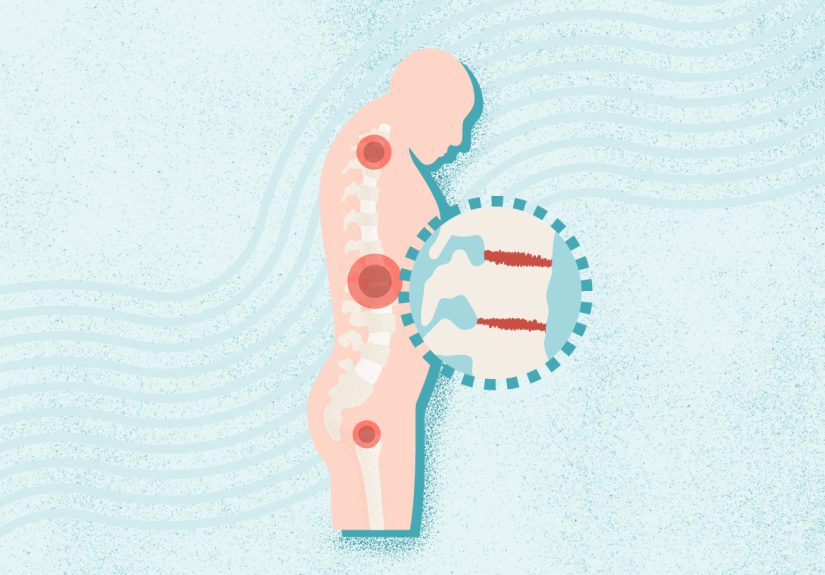
The hallmark of AS is inflammation in the spine and sacroiliac joints. Over time, repeated inflammation can lead to new bone formation. In severe cases, parts of the spine may fuse together, reducing flexibility and creating a forward-bent posture. Not everyone develops spinal fusion, especially with earlier diagnosis and modern treatment, but the possibility is one reason doctors take persistent inflammatory back pain seriously.
AS can also affect areas outside the spine, including the hips, shoulders, knees, ankles, heels, eyes, skin, digestive tract, and chest wall. In other words, although it starts with “back pain” for many people, it is not simply a back problem. It is a whole-body inflammatory condition with the spine playing the starring role.
Ankylosing Spondylitis Symptoms
Symptoms of ankylosing spondylitis vary from person to person. Some people have mild flares that come and go. Others experience daily pain, fatigue, and stiffness that interfere with work, school, exercise, sleep, and basic activities. The symptoms may build slowly, which can make AS tricky to recognize at first.
Inflammatory Back Pain
The most common early symptom is low back or buttock pain that develops gradually. It may switch from one side to the other or feel deep in the hips. A classic clue is pain and stiffness that are worse in the morning or after sitting for a long time. Many people say they feel like a rusty gate until they start moving.
Unlike mechanical back pain, which often worsens with activity and improves with rest, inflammatory back pain often improves with gentle movement, stretching, or exercise. Rest may actually make it worse. Some people wake up during the second half of the night because their back or hips ache, then feel better once they get up and move around.
Morning Stiffness
Morning stiffness is another major sign. This is not the “I need coffee before speaking to humans” kind of stiffness. It can last 30 minutes or longer and may affect the lower back, neck, hips, or entire spine. The stiffness may ease during the day, then return after long periods of inactivity.
Hip, Shoulder, Knee, or Heel Pain
Ankylosing spondylitis can affect peripheral joints, especially the hips and shoulders. Some people also develop pain or swelling in the knees or ankles. Enthesitis, which is inflammation where tendons and ligaments attach to bone, can cause heel pain, pain at the back of the ankle, or tenderness around the ribs and breastbone.
Chest or Rib Discomfort
When AS affects the joints between the ribs and spine or the cartilage near the breastbone, breathing deeply may feel uncomfortable. This does not mean every chest ache is AS, but rib stiffness is a recognized feature. Because chest pain can have many causes, new or severe chest symptoms should always be checked promptly by a healthcare professional.
Eye Inflammation
One of the most common complications of ankylosing spondylitis is uveitis, a type of eye inflammation. Symptoms may include eye pain, redness, blurry vision, and sensitivity to light. Uveitis is not something to “sleep off.” It needs quick medical attention to help prevent complications.
Fatigue
Fatigue is common in AS because chronic inflammation can drain energy. Pain that interrupts sleep can make tiredness even worse. Many people describe AS fatigue as a heavy, full-body exhaustion that does not always match how much they did that day.
What Causes Ankylosing Spondylitis?
The exact cause of ankylosing spondylitis is not fully understood. Researchers believe it involves a mix of genetics, immune system activity, and environmental triggers. AS is not caused by poor posture, laziness, stress, or “getting old.” Blaming posture alone for AS is like blaming a smoke alarm for the fire.
The Role of HLA-B27
A gene called HLA-B27 is strongly associated with ankylosing spondylitis. Many people with AS carry this gene, but having HLA-B27 does not guarantee that someone will develop the condition. Plenty of people have the gene and never get AS. Likewise, some people with AS do not have HLA-B27.
Family history matters. If a close relative has ankylosing spondylitis or another form of spondyloarthritis, the risk may be higher. Still, genes are only part of the story. The immune system appears to become overactive, causing inflammation in joints and tissues where it does not belong.
Age and Sex
AS often begins before age 45, with symptoms commonly starting in late adolescence or early adulthood. It has historically been diagnosed more often in men, but experts now recognize that women and people of any sex can develop AS. Women may sometimes experience different symptom patterns or face longer diagnostic delays, partly because their symptoms may be mistaken for other causes of pain.
Related Conditions
Ankylosing spondylitis can overlap with other inflammatory conditions, including psoriasis, inflammatory bowel disease, and certain forms of arthritis. A person with chronic back pain plus eye inflammation, bowel symptoms, skin plaques, or tendon pain should mention these details to a clinician because they can help connect the diagnostic dots.
How Ankylosing Spondylitis Is Diagnosed
There is no single magic test for ankylosing spondylitis. Diagnosis usually involves a combination of medical history, physical exam, imaging, blood tests, and symptom patterns. This is one reason AS can take years to diagnose. The early signs may look like common back pain, sports injuries, posture problems, or “you probably slept weird.”
Medical History
A healthcare provider may ask when the pain started, whether it improves with movement, how long morning stiffness lasts, whether pain wakes you at night, and whether you have symptoms in the eyes, skin, digestive system, hips, heels, or ribs. They may also ask about family history of AS, psoriasis, inflammatory bowel disease, or related arthritis conditions.
Physical Exam
During a physical exam, the clinician may check spinal flexibility, posture, chest expansion, hip movement, and tenderness around the sacroiliac joints or heels. They may ask the person to bend, twist, or take a deep breath. No, it is not a surprise yoga audition; it helps assess mobility and inflammation patterns.
Imaging Tests
X-rays can show changes in the sacroiliac joints or spine, but early AS may not appear clearly on X-ray. MRI can detect active inflammation earlier than X-rays in some cases. Imaging is especially helpful when symptoms strongly suggest inflammatory back pain but standard X-rays look normal.
Blood Tests
Blood tests may check for inflammation markers such as C-reactive protein or erythrocyte sedimentation rate. However, these markers are not always elevated in people with AS. A blood test for HLA-B27 may also be used, but it cannot confirm or rule out AS by itself. It is one piece of the puzzle, not the entire jigsaw box.
Treatment for Ankylosing Spondylitis
There is currently no cure for ankylosing spondylitis, but treatment can make a major difference. The goals are to reduce pain and stiffness, control inflammation, maintain posture and flexibility, prevent complications, and help people stay active. The earlier AS is recognized and treated, the better the chance of protecting long-term function.
Exercise and Physical Therapy
Movement is one of the most important parts of AS management. Regular exercise can help maintain flexibility, improve posture, strengthen muscles, and reduce stiffness. Physical therapy is often recommended for both active and stable disease. A physical therapist may teach stretching, strengthening, posture training, breathing exercises, and safe ways to stay active during flares.
Helpful activities may include walking, swimming, cycling, mobility exercises, yoga-style stretching, and core strengthening. The best routine is one that is realistic enough to repeat. A heroic two-hour workout followed by three weeks of couch recovery is less useful than consistent, gentle movement.
NSAIDs
Nonsteroidal anti-inflammatory drugs, often called NSAIDs, are commonly used to reduce pain and inflammation. These medications can help many people, but they are not appropriate for everyone. They may carry risks for the stomach, kidneys, heart, or blood pressure, so they should be used under medical guidance, especially for long-term treatment.
Biologic Medications
If symptoms remain active despite NSAIDs and exercise, doctors may recommend biologic medications. These treatments target specific parts of the immune system involved in inflammation. Common categories include TNF inhibitors and IL-17 inhibitors. Biologics can be very effective for some people, but they require medical screening, monitoring, and discussion of benefits and risks.
JAK Inhibitors and Other Options
In certain cases, doctors may consider other targeted medications, including JAK inhibitors, depending on the person’s symptoms, health history, and treatment response. Treatment decisions should be individualized by a rheumatologist, the type of doctor who specializes in inflammatory arthritis and autoimmune conditions.
Steroid Injections
For specific painful joints, steroid injections may sometimes be used to reduce inflammation. Long-term oral steroids are generally not the main treatment for axial disease, but targeted injections can be useful in select situations.
Surgery
Surgery is not common for ankylosing spondylitis, but it may be considered for severe joint damage, advanced hip disease, or major spinal deformity that affects function. Hip replacement can improve mobility and quality of life for people with severe hip involvement. Spinal surgery is more complex and reserved for carefully selected cases.
Living With Ankylosing Spondylitis
Living with AS is not just about taking medication. Daily habits matter. Good posture, regular movement, quality sleep, not smoking, and maintaining a healthy weight can all support better outcomes. People with AS may also benefit from setting up an ergonomic workspace, using supportive chairs, taking movement breaks, and choosing mattresses or pillows that reduce morning stiffness.
Smoking is especially important to avoid because it is linked with worse symptoms, reduced lung function, and higher risk of complications in people with AS. If AS already makes the rib cage stiff, smoking is like adding a fog machine to a room with no windows. The lungs deserve better.
Nutrition cannot cure ankylosing spondylitis, but a balanced eating pattern can support overall health, bone strength, energy, and cardiovascular wellness. People with AS should also pay attention to calcium and vitamin D intake, especially if they have risk factors for osteoporosis. Anyone with digestive symptoms should discuss them with a clinician because inflammatory bowel disease can be related to spondyloarthritis.
When to See a Doctor
It is wise to seek medical care if back or buttock pain starts before age 45, lasts longer than three months, improves with movement, worsens with rest, causes morning stiffness, or wakes you during the second half of the night. A doctor should also evaluate unexplained heel pain, swollen joints, recurring eye inflammation, or back pain combined with psoriasis or digestive symptoms.
Urgent care is needed for sudden eye pain, significant redness, vision changes, severe chest pain, new weakness, loss of bladder or bowel control, or symptoms after a major injury. Most AS symptoms are not emergencies, but some complications should never be ignored.
Practical Experience: What Daily Life With Ankylosing Spondylitis Can Feel Like
For many people, the first experience of ankylosing spondylitis is confusion. The pain does not behave like ordinary back pain. You rest, but it gets worse. You move, and it gets better. You wake up stiff, shuffle toward the bathroom like a character from a low-budget zombie movie, then slowly loosen up after a shower or a walk. By lunchtime, you may feel almost normal, which makes explaining the morning misery to others surprisingly difficult.
One common experience is the “invisible illness” problem. Friends, coworkers, or classmates may see someone with AS looking fine in the afternoon and assume everything is fine all the time. But AS often has waves. A person may be able to go to work, cook dinner, or exercise on one day, then struggle with fatigue and stiffness the next. This unpredictability can be emotionally frustrating, especially when plans have to change at the last minute.
Another real-life challenge is the long road to diagnosis. Many people try new pillows, new chairs, stretching videos, massage, pain relievers, and dramatic promises to “fix their posture” before anyone mentions inflammatory arthritis. Some are told they are too young to have arthritis, which is incorrect. Ankylosing spondylitis often begins in younger people, and early symptoms deserve attention.
Daily management usually becomes a personal rhythm. Many people learn that mornings need extra time. A warm shower, gentle stretching, and a short walk can make the difference between starting the day smoothly and feeling like the spine has filed a formal complaint. Workspaces may need adjustments: a sit-stand desk, lumbar support, screen-height changes, or reminders to move every 30 to 60 minutes.
Exercise can feel intimidating during flares, but gentle consistency often helps. Swimming is popular because it supports the body while encouraging movement. Walking is simple and underrated. Physical therapy exercises may seem boring at first, but boring can be beautiful when it keeps your spine flexible. The goal is not to become a fitness influencer with perfect lighting and matching water bottles. The goal is to keep moving in a way your body can tolerate.
People with AS also become experts at reading their own patterns. Long car rides may trigger stiffness. Poor sleep may intensify pain. Stress may worsen fatigue. Sitting through a movie without stretching may turn the credits into a personal mobility challenge. Learning these patterns allows people to plan better without giving up their lives.
Communication matters too. Saying “I have inflammatory arthritis” is often clearer than saying “my back hurts,” because back pain sounds temporary to many people. It helps to explain that AS is a chronic immune-driven condition that can affect energy, joints, eyes, and mobility. Loved ones do not need a full medical lecture every time, but a little context can reduce misunderstandings.
The hopeful part is that many people with ankylosing spondylitis live active, meaningful, full lives. With the right diagnosis, a rheumatology care plan, appropriate medication when needed, physical therapy, and daily movement, AS can often be managed. It may require patience, flexibility, and a sense of humor. Preferably the kind of humor that can laugh at spending more time choosing a chair than choosing an outfit.
Ankylosing spondylitis is serious, but it is not a life sentence to stillness. The modern approach is active: recognize symptoms early, treat inflammation, protect mobility, and build a lifestyle that supports the spine instead of fighting it every day.
Conclusion
Ankylosing spondylitis is a chronic inflammatory arthritis that mainly affects the spine and sacroiliac joints, but its impact can reach far beyond the back. Symptoms such as inflammatory back pain, morning stiffness, hip discomfort, heel pain, fatigue, and eye inflammation can interfere with daily life, especially when diagnosis is delayed.
The good news is that AS is manageable. Diagnosis may require a careful mix of symptom review, physical examination, imaging, and blood tests. Treatment may include exercise, physical therapy, NSAIDs, biologic medications, targeted therapies, lifestyle adjustments, and occasional procedures for severe complications. Early care can help reduce pain, preserve posture, protect flexibility, and improve quality of life.
If persistent back pain behaves strangelyworse with rest, better with movement, stiff in the morning, and stubborn for monthsit deserves more than a shrug. A conversation with a healthcare provider, especially a rheumatologist, can be the first step toward answers and better movement.






 Close
Close