
Table of Contents >> Show >> Hide
- What Is Insulin, and Why Does the Body Need It?
- So, What Does “GMO Insulin” Actually Mean?
- A Short History: Before GMO Insulin
- How Is GMO Insulin Made?
- Is GMO Insulin the Same as Human Insulin?
- Common Types of Insulin Made With Biotechnology
- Is GMO Insulin Safe?
- Does GMO Insulin Change Your DNA?
- GMO Insulin vs. Animal Insulin
- What About Biosimilar Insulin?
- Why GMO Insulin Was a Medical Game Changer
- Common Myths About GMO Insulin
- Real-World Experiences and Practical Lessons About GMO Insulin
- Conclusion: GMO Insulin Is Biotechnology With a Human Purpose
If the phrase “GMO insulin” makes you picture a tiny genetically modified tomato wearing a lab coat and holding a syringe, you are not alone. The term sounds a little dramatic, like something from a science-fiction movie where the villain’s laboratory has suspicious green lighting. But in real life, GMO insulin is one of the most important medical breakthroughs of modern biotechnologyand it is far less scary than the name suggests.
GMO insulin usually refers to recombinant human insulin, a form of insulin made with genetically engineered microorganisms such as bacteria or yeast. These microbes are modified so they can produce insulin that is the same as, or closely modeled after, the insulin made by the human pancreas. The final medicine does not contain living genetically modified organisms. Instead, the microorganisms act like microscopic factories, producing insulin that is later purified, tested, formulated, and packaged for people with diabetes.
This technology helped move insulin production away from dependence on animal pancreases and toward a cleaner, more consistent, scalable manufacturing process. For millions of people with type 1 diabetes, type 2 diabetes, gestational diabetes, or other insulin-requiring conditions, that shift was not just clever science. It changed daily life.
What Is Insulin, and Why Does the Body Need It?
Insulin is a hormone made by beta cells in the pancreas. Its main job is to help glucose, or blood sugar, move from the bloodstream into the body’s cells, where it can be used for energy. Think of insulin as a key. Glucose is waiting outside the cell door with a backpack full of fuel, and insulin helps unlock the door so the fuel can get inside.
When the body does not make enough insulin, or when cells do not respond to insulin properly, glucose builds up in the blood. Over time, high blood sugar can damage blood vessels, nerves, eyes, kidneys, and the heart. That is why insulin therapy can be lifesaving. In type 1 diabetes, the body makes little to no insulin, so insulin treatment is required for survival. In type 2 diabetes, the body may still make insulin, but not enough, or the insulin may not work effectively. Some people with type 2 diabetes eventually need insulin therapy to manage blood sugar safely.
So, What Does “GMO Insulin” Actually Mean?
The phrase “GMO insulin” is not the most precise medical term. Healthcare professionals usually say “recombinant human insulin,” “genetically engineered insulin,” “biosynthetic human insulin,” or “insulin analog.” Still, “GMO insulin” has become a common shorthand because genetically modified organisms are involved in the manufacturing process.
A genetically modified organism, or GMO, is a plant, animal, or microbe whose genetic material has been changed using biotechnology. In insulin production, scientists modify bacteria or yeast by giving them genetic instructions related to human insulin production. These organisms then produce insulin protein. After that, the insulin is separated from the organisms, purified, and made into a medicine.
Here is the key point: the medicine in the vial or pen is not a little colony of genetically modified microbes. It is purified insulin. The microbes do the manufacturing work, then they are removed from the final product. In other words, they are the bakery, not the bread.
A Short History: Before GMO Insulin
Before recombinant DNA technology, insulin was commonly extracted from the pancreases of pigs and cattle. Animal insulin saved lives, and it deserves respect. It was one of medicine’s great early wins. But it had limitations. It depended on animal tissue supply, required large-scale extraction, and could cause immune reactions in some patients because animal insulin is not exactly identical to human insulin.
As diabetes treatment expanded, scientists needed a more reliable way to produce insulin that closely matched the human hormone. Recombinant DNA technology offered exactly that. In the late 1970s and early 1980s, researchers learned how to insert human insulin genetic instructions into microorganisms. These modified organisms could then produce human insulin at scale.
In 1982, Humulin became the first FDA-approved recombinant human insulin product in the United States. It was also a landmark for biotechnology because it showed that genetically engineered medicines could be manufactured safely and effectively for real patients, not just admired in a laboratory notebook.
How Is GMO Insulin Made?
The manufacturing process is highly controlled, but the basic idea is easier to understand than most people expect. No wizard robes required.
Step 1: Scientists Identify the Insulin Instructions
Human insulin is a protein, and proteins are made according to genetic instructions. Scientists use the DNA sequence that tells cells how to make insulin or an insulin precursor. That sequence becomes the “recipe.”
Step 2: The Gene Is Inserted Into a Microorganism
The insulin-related gene is inserted into a small circular piece of DNA called a plasmid. The plasmid is then placed into a bacterium or yeast cell. Once the microorganism carries those instructions, it can begin producing insulin or a precursor that can be processed into insulin.
Step 3: Microbes Grow in Fermentation Tanks
The modified bacteria or yeast are grown in large, carefully monitored fermentation tanks. This part is not wildly different in concept from brewing, except instead of making beer, the goal is producing a lifesaving protein. The microbes multiply and produce the insulin material.
Step 4: Insulin Is Harvested and Purified
The insulin or insulin precursor is collected and purified through multiple steps. Purification is crucial. Manufacturers remove cell material, unwanted proteins, and impurities so the final product meets strict medical standards.
Step 5: The Medicine Is Formulated
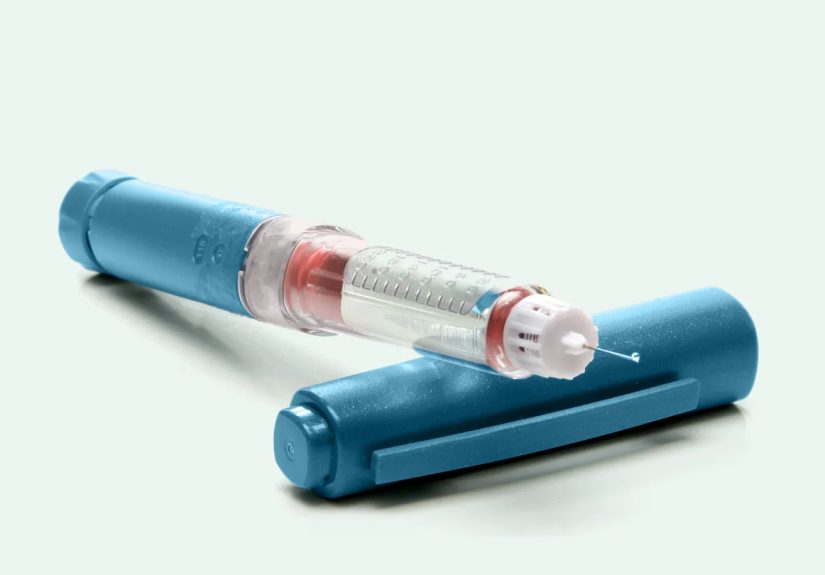
Once purified, insulin is formulated into specific products. Some are designed to work quickly around meals. Others are designed to last longer and support background, or basal, insulin needs. The product may be placed in vials, pens, cartridges, or pump-compatible containers.
Is GMO Insulin the Same as Human Insulin?
Recombinant human insulin is designed to match natural human insulin. Regular human insulin, for example, has the same amino acid structure as insulin made by the human pancreas. Insulin analogs are slightly modified versions of human insulin. These changes are intentional and are made to adjust how fast the insulin starts working, when it peaks, and how long it lasts.
That is why one person may be prescribed rapid-acting insulin for meals and long-acting insulin for overnight or all-day coverage. The goal is not simply to add insulin to the body. The goal is to match insulin action to real life: breakfast, exercise, sleep, stress, illness, and that mysterious office birthday cake that appears at 3:17 p.m.
Common Types of Insulin Made With Biotechnology
Most modern insulin products are made using recombinant technology. They may include human insulin and insulin analogs. Different types are grouped by how quickly they work and how long they last.
Rapid-Acting Insulin
Rapid-acting insulin analogs are usually taken before or around meals. They are designed to start working quickly to help manage the rise in blood sugar after eating. Examples include insulin lispro, insulin aspart, and insulin glulisine.
Short-Acting Regular Insulin
Regular human insulin is a short-acting insulin. It typically starts working more slowly than rapid-acting analogs and may be taken before meals based on a clinician’s instructions. It is sometimes available at lower cost than newer analogs, but switching should never be casual. Timing, dosing, and safety matter.
Intermediate-Acting Insulin
NPH insulin is an intermediate-acting insulin. It has a more noticeable peak than many long-acting analogs, which means meal timing and hypoglycemia planning can be important.
Long-Acting and Ultra-Long-Acting Insulin
Long-acting insulin analogs, such as insulin glargine, insulin detemir, and insulin degludec, are designed to provide steadier background insulin coverage. These products can help reduce blood sugar swings when used properly as part of a treatment plan.
Is GMO Insulin Safe?
Recombinant insulin products are regulated as medicines and must meet strict standards for quality, purity, strength, safety, and effectiveness. In the United States, insulin products are overseen by the Food and Drug Administration. Manufacturers must prove that products can be made consistently and that they perform as intended.
Like all insulin, GMO insulin can cause side effects. The most important risk is hypoglycemia, or low blood sugar, especially if someone takes too much insulin, eats less than expected, exercises more than planned, drinks alcohol, or has changes in routine. Other possible issues include injection-site reactions, weight changes, or allergic reactions, though serious allergic reactions are uncommon.
The safety question is not simply “Is it GMO?” A better question is: “Is this the right insulin, at the right dose, for this person’s medical needs, used with proper monitoring?” That is why insulin decisions should always be made with a qualified healthcare professional.
Does GMO Insulin Change Your DNA?
No. Taking recombinant insulin does not modify your genes. Insulin is a protein hormone. It helps regulate blood sugar; it does not rewrite your genetic code. The genetic engineering happens in the manufacturing organism, such as bacteria or yeast, before the medicine is purified.
This misunderstanding is common because the words “genetic,” “modified,” and “DNA” tend to make people imagine permanent changes. But using a medicine made through genetic engineering is not the same thing as becoming genetically engineered. Eating bread made with yeast does not turn you into a baguette. Taking insulin made with engineered yeast does not turn you into a GMO.
GMO Insulin vs. Animal Insulin
Animal insulin and recombinant human insulin both have a place in the history of diabetes care. Animal insulin was groundbreaking for its time, but recombinant human insulin offered major advantages. It could be produced more consistently, did not require animal pancreas extraction, and more closely matched human insulin.
For many patients, recombinant insulin reduced concerns about immune reactions connected to animal-derived products. It also made large-scale production more practical. As diabetes rates increased and insulin demand grew, scalability became more than a business issue. It became a public health issue.
What About Biosimilar Insulin?
Biosimilar insulin is another important term. A biosimilar is a biological product that is highly similar to an already FDA-approved reference product, with no clinically meaningful differences in safety, purity, or potency. Some biosimilar insulins may also be designated interchangeable, depending on FDA evaluation and state pharmacy laws.
This matters because biosimilars may increase competition and improve access. Insulin affordability remains a serious issue in the United States. Biotechnology solved the manufacturing problem, but pricing and access are still complicated. A medicine can be scientifically brilliant and still financially frustrating. That is the part where the lab coat meets the insurance paperworkand everyone sighs.
Why GMO Insulin Was a Medical Game Changer
GMO insulin helped prove that recombinant DNA technology could be used to make safe, useful medicines. Today, many modern biologic drugs are made using related biotechnology methods. Insulin was one of the early stars of this revolution.
The impact is easy to underestimate because insulin is now so familiar. But the ability to instruct microorganisms to produce a human protein changed medicine. It made insulin production more reliable, reduced dependence on animal sources, and opened the door to improved insulin analogs with different action profiles.
For patients, the benefit is practical. A person can use rapid-acting insulin to cover meals, long-acting insulin for background needs, an insulin pump for continuous delivery, or a carefully designed mix based on their clinician’s guidance. The result is not perfectdiabetes management is still a daily jobbut the tools are far better than they were a century ago.
Common Myths About GMO Insulin
Myth 1: GMO Insulin Contains Live GMOs
The final insulin product does not contain living genetically modified bacteria or yeast. The organisms are used to produce insulin, and the insulin is purified before it becomes medicine.
Myth 2: GMO Insulin Is Experimental
Recombinant human insulin has been used for decades. Modern insulin products continue to be studied, regulated, and improved, but the basic technology is not a brand-new experiment.
Myth 3: Natural Always Means Safer
“Natural” can sound comforting, but animal-sourced insulin was not automatically better simply because it came from animals. Recombinant human insulin more closely matches human insulin and can be produced with high consistency.
Myth 4: All Insulins Work the Same
Different insulin products have different onset, peak, and duration patterns. A rapid-acting insulin is not interchangeable with a long-acting insulin just because both are called insulin. This is why dosing instructions matter so much.
Real-World Experiences and Practical Lessons About GMO Insulin
One of the most common real-world experiences with GMO insulin is surprise. Many people use insulin for years before learning that it is made through recombinant DNA technology. The word “GMO” may sound controversial when attached to food, but in medicine, genetic engineering often feels less like a debate topic and more like a practical tool. Once people understand that the final product is purified insulinnot a vial of living modified microbesthe concept usually becomes less intimidating.
Another experience is the learning curve around timing. Someone starting mealtime insulin may discover quickly that insulin is not a simple “take it and forget it” medicine. Food choices, carbohydrate amounts, physical activity, illness, stress, sleep, and injection timing can all affect blood sugar. A person may eat the same sandwich two days in a row and get two different glucose results because bodies apparently enjoy plot twists.
People also notice that different insulin types feel different in daily routines. Rapid-acting insulin may offer flexibility around meals, while long-acting insulin can provide background coverage with fewer daily decisions. Regular human insulin may be less expensive in some situations, but it often requires more careful timing before meals. This is why cost discussions should include safety and lifestyle, not just the sticker price.
For parents of children with type 1 diabetes, GMO insulin becomes part of family logistics. School forms, lunch schedules, sports practice, sleepovers, birthday parties, and emergency snacks all become part of the treatment ecosystem. The science may begin in a fermentation tank, but the real-life story continues in lunchboxes, backpacks, bedside tables, and pharmacy lines.
Adults who use insulin often describe a different emotional experience: responsibility. Insulin is powerful. It can protect health, prevent complications, and save lives, but it demands respect. Too little insulin can leave blood sugar dangerously high. Too much can cause hypoglycemia. That balance can be tiring, especially when insurance rules, prescription refills, travel, and changing routines get involved.
There is also a trust-building process. Some patients feel uneasy when they hear terms like “genetically engineered” or “biologic.” Good education helps. Clear explanations from clinicians, pharmacists, diabetes educators, and reliable health resources can turn a scary phrase into an understandable process. When people learn that recombinant insulin has a long history and is carefully regulated, the technology often feels less mysterious.
A final practical lesson is that insulin is personal. Two people may both use GMO insulin, but their treatment plans may look completely different. One may use injections, another an insulin pump. One may need small doses, another larger doses. One may prioritize flexibility; another may need simplicity. The best insulin plan is not the trendiest one. It is the one that safely fits the person’s body, budget, habits, and medical needs.
Conclusion: GMO Insulin Is Biotechnology With a Human Purpose
GMO insulin is not a futuristic gimmick. It is a practical medical achievement that uses genetically modified microorganisms to produce human insulin or insulin analogs. The technology helped replace animal-derived insulin with more consistent, scalable, and human-matched products. It also paved the way for modern insulin options designed to work at different speeds and durations.
The most important takeaway is simple: GMO insulin does not mean the insulin itself is a living GMO, and it does not change your DNA. It means biotechnology is used during manufacturing to produce a purified medicine that helps people manage blood sugar. For many patients, that tiny engineered microbe in the manufacturing process has made an enormous difference in everyday life.
Note: This article is for general educational purposes only. People using insulin should follow the treatment plan provided by their healthcare professional and should never change insulin type, dose, or timing without medical guidance.







 Close
Close